
Landscaping
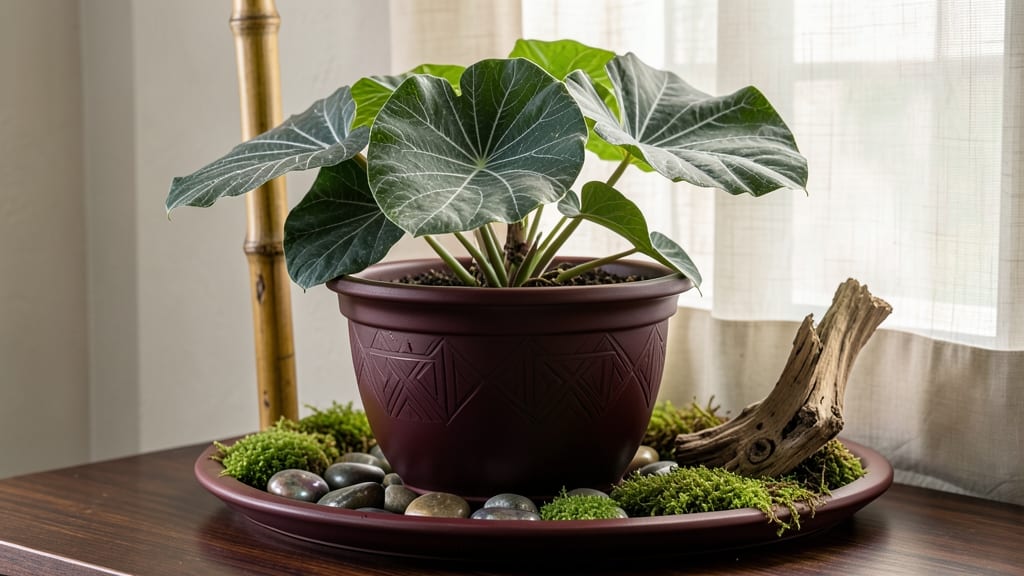
Garden ideas featuring alocasia plants turn any space into a tropical escape with their bold, elephant-ear leaves that demand attention.
Picture this: a shady corner bursting with alocasia varieties like 'Polly' or 'Black Velvet,' their glossy foliage glinting under dappled sunlight. That’s the kind of drama you can create—whether you’re working with containers, borders, or a full woodland garden.
These plants aren’t just pretty; they’re the secret weapon for adding height, texture, and year-round interest to shady spots where other tropicals struggle. The right companions—think ferns, hostas, or moisture-loving begonias—will make your design pop even more.
Ready to transform your garden? I’ll walk you through creative layouts, the best plant pairings, and care tips to keep your alocasia thriving—no matter the season.
Creative alocasia planting layouts for stunning garden focal points
Alocasia plants bring dramatic tropical flair to any garden space, making them perfect for bold focal points. Their large, textured leaves create instant visual impact, whether planted in containers, borders, or woodland gardens.
The key to showcasing their beauty lies in strategic placement and variety combinations that highlight their unique shapes and colors.
For maximum impact, group alocasia varieties with contrasting foliage—like pairing Alocasia 'Polly' with deep purple Black Mondo Grass or Alocasia 'Frydek' with silver Nervilia arachnes. This creates striking visual contrast while keeping the design cohesive. Always consider mature plant size when planning layouts to avoid overcrowding.
| Layout Type | Best Varieties | Spacing | Design Tip |
|---|---|---|---|
| Container Gardens | 'Polly', 'Zebrina', 'Regal Shield' | 18-24" apart | Use large pots (18"+ diameter) for single specimens or group 3-5 small plants in a single container. |
| Woodland Borders | 'Black Velvet', 'Sapphire', 'Frydek' | 3-4 ft apart | Layer with hostas and ferns for a lush understory effect. Plant taller varieties at the back. |
| Shade Gardens | 'Dragon Scale', 'Cucullata', 'Pink Dragon' | 2-3 ft apart | Combine with calatheas and philodendrons for a jungle-like atmosphere. Add mulch to retain moisture. |
| Patio Focal Points | 'Polly', 'Zebrina', 'Mini Alocasia' | 12-18" apart | Plant in ornamental pots near seating areas. Add string lights for evening ambiance. |
When designing container layouts, prioritize drainage and root space. Use well-draining potting mix with perlite or orchid bark to prevent root rot.
For large containers, consider adding a layer of sphagnum moss on top to retain humidity—alocasia thrive in 70-80% humidity, which is harder to maintain outdoors.
For woodland garden borders, create height variation by placing taller varieties like Alocasia 'Frydek' (up to 5 ft tall) at the back and shorter types like 'Polly' (1-2 ft) in front.
This adds depth and dimension while keeping the space feeling open. Pair with native ferns like Ostrich Fern or Maidenhair Fern to enhance the naturalistic look.
In shade gardens, alocasia shine when combined with moisture-loving companions like Impatiens or Begonias. These plants share similar low-light and high-humidity needs, creating a self-sustaining microclimate.
To further boost humidity, add a small water feature or drip irrigation system nearby. This keeps foliage vibrant and prevents browning edges.
For patio or balcony spaces, opt for dwarf varieties like Alocasia 'Mini Alocasia' or 'Zebrina' to save space. Arrange 3-5 plants in a single large pot or use hanging baskets for trailing varieties.
Place containers where they’ll receive bright, indirect light—like near east or west-facing windows or under dappled tree shade.
Always rotate containers occasionally to ensure even growth, as alocasia tend to lean toward light sources. If growing outdoors in cooler climates (USDA Zones 8-9), bring potted plants indoors before temperatures drop below 50°F.
Use a humidifier or place pots on a pebble tray filled with water to mimic tropical conditions.
To create year-round interest, mix evergreen varieties like Alocasia 'Black Velvet' with seasonal bloomers like Hellebores or Winter Aconite. This ensures your garden remains visually dynamic even when alocasia foliage slows in growth during winter months. Mulch heavily in fall to insulate roots and reduce temperature fluctuations.
Experiment with unexpected textures—like pairing velvety 'Black Velvet' with spiky Dracaena or glossy 'Polly' with fuzzy Lamb’s Ear. These contrasts make alocasia stand out as focal points while keeping the design balanced and intriguing.
Don’t forget to prune yellow or damaged leaves regularly to maintain a clean, polished look.
With these creative layouts, your alocasia will transform any garden into a tropical sanctuary. Whether you’re working with containers, borders, or woodland settings, strategic placement and plant pairings will ensure your alocasia remain the star of the show year-round. 🌿✂️🪴
Best alocasia companion plants to enhance your garden design
Pairing your alocasia with the right companion plants creates a lush, cohesive garden that thrives in shade and moisture. These tropical beauties love humidity-loving neighbors that share similar care requirements. The key is selecting plants that complement alocasia's elephant-ear drama while supporting its moisture-rich environment.
Start with shade-tolerant plants like calatheas or hostas, which thrive in the same low-light conditions. These companions create a natural transition from your alocasia's bold foliage to softer textures.
For added height contrast, consider fern varieties like maidenhair ferns or Boston ferns, which add delicate movement to your garden.
✨ Alocasia Companion Plant Guide ✨
✅ DO Pair With
- Calatheas - Matching moisture needs
- Hostas - Shade tolerance
- Ferns - Airy contrast
- Begonias - Humidity lovers
- Impatiens - Bright flowers
These plants thrive in similar conditions and enhance alocasia's tropical vibe.
⚠️ DON'T Pair With
- Succulents - Need dry soil
- Cacti - Full sun requirements
- Lavender - Drought-tolerant
- Rosemary - Hates moisture
- Sun-loving perennials - Will scorch
Avoid plants with opposite care needs to prevent stress on your alocasia.
Create harmony by matching moisture, light, and humidity preferences.
For a colorful pop, add impatiens or begonias near your alocasia's base. These moisture-loving annuals provide vibrant blooms that contrast beautifully with alocasia's rich foliage. Place them in shady spots where they'll receive dappled sunlight, perfect for alocasia's bright indirect light needs.
Consider textural contrast with carex grasses or asparagus ferns. These add movement and softness to your alocasia's bold presence. Position taller varieties behind your alocasia to create visual depth in containers or garden beds. This layering technique makes your alocasia stand out as a focal point while maintaining balance.
In container gardens, combine alocasia with peperomia varieties or fittonia for a mini tropical paradise. These compact plants share similar care needs and create a vertical garden effect when planted together. Use well-draining potting mix with added perlite to ensure proper drainage for all companions.
Remember to rotate plants occasionally to ensure even light exposure. This practice prevents one side of your alocasia from becoming leggy while keeping all companions thriving. Group plants with similar watering needs together to simplify your maintenance routine and create a self-sustaining ecosystem in your garden.