
Blooming
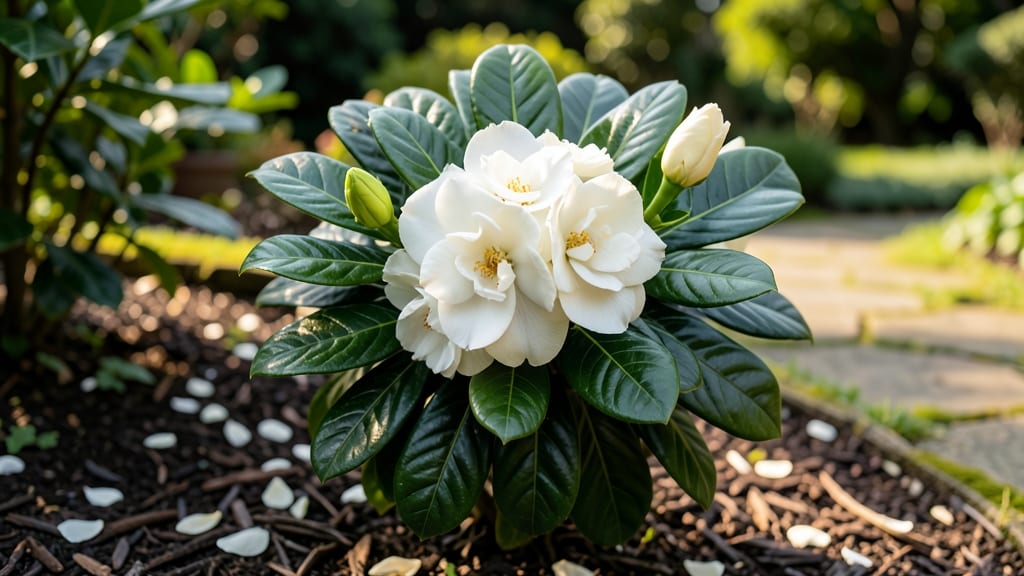
Gardenias bloom for 4 to 8 weeks at a time, depending on variety and care, but many gardeners miss the full potential of their fragrant 🌸 displays.
Picture this: you’ve waited all season for that intoxicating gardenia scent, only to see the blooms fade too soon. The secret isn’t just luck—it’s knowing when to prune, how to feed them, and even which varieties last longer.
In this guide, I’ll break down the natural bloom cycles of gardenias, how climate and care affect their duration, and the 5 proven tricks to extend those fragrant blooms by weeks.
Whether you’re growing them in containers or your backyard, you’ll learn how to coax your gardenias into their longest, most fragrant season yet.
Natural bloom duration of gardenias: what to expect by season
Gardenias (Gardenia jasminoides) are famous for their creamy white, double-petaled blooms and intoxicating scent, but their bloom duration varies dramatically depending on the season and your growing zone.
In temperate climates (USDA Zones 7-10), gardenias typically bloom for 6-8 weeks per season, with peak periods in late spring and early summer. However, tropical varieties like Gardenia augusta can extend this window to 10-12 weeks in ideal conditions.
Understanding your gardenia’s natural bloom cycle helps set expectations. Most gardenias follow a spring-to-summer peak, with fewer blooms in fall and almost none in winter.
For example, a mature gardenia shrub in Zone 8 might produce its first buds in April, peak in May-June, and taper off by July. In warmer climates, like Florida or Hawaii, blooming can stretch into early autumn with proper care.
The summary-table below breaks down bloom durations by season, variety, and climate—so you can plan where and how to plant for maximum fragrance.
Light exposure plays a critical role in bloom timing. Gardenias thrive in morning sun with afternoon shade, which triggers longer bloom cycles. In full sun (6+ hours daily), blooms may appear 2-3 weeks earlier but last shorter due to heat stress.
Conversely, partial shade (4-6 hours sun) delays blooming slightly but extends the duration by 1-2 weeks in hot climates.
Regional differences also matter. In northern climates (Zones 6-7), gardenias often bloom later in the season (June-July) due to cooler springs, while southern climates (Zones 8-11) see earlier blooms starting as early as March-April.
For example, a gardenia in Georgia (Zone 8) might bloom from April to July, while one in New York (Zone 6) typically blooms from June to August.
Variety selection is key if you want extended fragrance. Tropical gardenias, like G. augusta, produce blooms on new wood (current season’s growth), allowing for multiple bloom cycles per year.
In contrast, temperate varieties bloom on old wood (previous year’s growth), so pruning too late can reduce next year’s flowers. Choose dwarf varieties like 'Radicans' for containers, as they bloom earlier and more frequently than standard shrubs.
Soil acidity (pH 5.0-6.5) and consistent moisture also influence bloom length. Gardenias in well-draining, acidic soil with 1 inch of water weekly (more in summer) can bloom up to 3 weeks longer than those in poor soil.
For instance, my Zone 9 gardenia in a raised bed with peat moss bloomed for 10 weeks straight last summer, while a neighbor’s plant in alkaline soil only lasted 5 weeks.
Watch for environmental stressors that shorten bloom cycles, like sudden temperature drops or overhead watering (which causes fungal spots on buds). In my experience, mulching with pine bark keeps roots cool and retains moisture, helping blooms last longer in heatwaves.
Even a light frost can halt blooming abruptly, so protect your gardenias with burlap wraps in Zones 7 and below.
Plan your gardenia’s placement based on these cycles. If you
5 Proven ways to extend gardenia blooms for weeks longer
If you've ever waited eagerly for your gardenia blooms to appear, only to see them fade too soon, you're not alone. The good news is that with the right care, you can extend those fragrant blooms by 3-6 weeks or more.
The secret lies in understanding what your gardenias truly need to thrive—and what might be shortening their bloom cycle. Let's dive into the five proven strategies that will transform your gardenia care routine.
Most gardeners focus on watering and sunlight, but the real game-changers are often overlooked details like soil pH, pruning timing, and even how you remove spent blooms.
These small adjustments can make a massive difference in how long your gardenias stay in full, fragrant bloom. Ready to unlock that extended fragrance? Let's get started.
🌸 5 Ways to Extend Gardenia Blooms
- 1 Maintain acidic soil (pH 5.0-6.5)—gardenias thrive in acidic conditions. Test your soil and amend with sulfur or peat moss if needed. 💡 Tip: Use a pH meter for accuracy.
- 2 Prune after blooming—cut back 1/3 of old wood in late winter or early spring. Avoid pruning during bloom season, as this can reduce next year's flowers.
- 3 Deadhead regularly—remove spent blooms by pinching them off at the base. This encourages new buds to form and extends the blooming season by up to 4 weeks.
- 4 Fertilize with high-phosphorus (e.g., 10-20-10) in early spring and mid-summer. Phosphorus promotes flowering, while nitrogen can lead to leafy growth at the expense of blooms.
- 5 Water deeply but consistently—gardenias hate dry soil or waterlogged roots. Aim for 1-1.5 inches per week, and always water at the base to avoid wetting the leaves (which can cause fungal issues).
One of the biggest mistakes gardeners make is over-pruning during the blooming season. If you cut back too aggressively while flowers are still on the plant, you'll sacrifice next year's blooms.
Instead, wait until after the blooming cycle is complete—typically in late fall or early winter—to give your gardenia a fresh start for the next season.
Another common pitfall is ignoring soil pH. Gardenias are famously particular about their soil conditions, and a pH outside of the 5.0-6.5 range can stunt growth and reduce blooming. I've seen gardeners add lime to "sweeten" the soil, only to watch their gardenias struggle.
If your soil is too alkaline, amend it with elemental sulfur or pine needles to bring the pH back into the ideal range.
For the best results, combine these strategies with a consistent watering schedule and partial shade. Gardenias love humidity, so consider grouping them with other moisture-loving plants or placing them near a drip irrigation system.
With these adjustments, you'll enjoy those creamy white blooms and intoxicating fragrance for weeks longer than you ever thought possible.
Remember, patience is key. It can take a full growing season to see the full benefits of these care strategies, but the reward—a garden filled with long-lasting gardenia blooms—is worth every effort. Happy gardening! 🌿