
Blooming
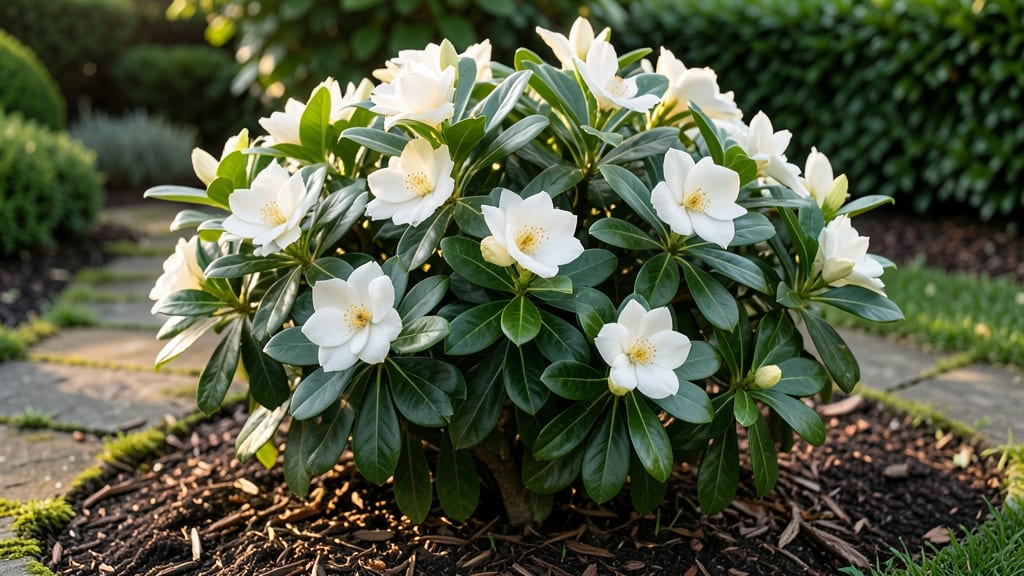
Gardenia blooms in Zone 9 typically start in late spring and stretch into early summer, with peak fragrance arriving by May.
If you love the intoxicating scent of these 🌸 beauties but struggle to time their blooms in Zone 9’s heat, you’re not alone. The key lies in understanding how humidity, sunlight, and even pruning tricks can shift their blooming window.
Most gardenias in Zone 9 burst into flower between April and June, but coastal areas may see earlier blooms, while inland spots can delay until July. The difference? Temperature swings and afternoon shade play a bigger role than you’d think.
Below, I’ll share the exact pruning schedule and care tweaks to extend those creamy blossoms well past summer’s end—so you can enjoy that signature gardenia perfume all season long.
Gardenia bloom timing in Zone 9: month-by-month guide to peak fragrance
If you’ve ever wondered when gardenias bloom in Zone 9, the answer depends on your microclimate—coastal areas may see blooms as early as late February, while inland spots often wait until April or May.
The key trigger? A cool winter followed by warm, humid spring days above 65°F. Without this pattern, buds may drop before opening, leaving you fragrance-free.
In my Zone 9b garden, gardenias typically start budding in March, with peak fragrance from May through July. However, humidity levels above 70% can delay blooming by 2-3 weeks—a common issue in southern California’s coastal fog belts.
The good news? With the right care, you can extend that sweet scent well into August.
Here’s the month-by-month breakdown of what to expect, plus how to spot healthy buds before they open. Pro tip: Look for firm, plump buds with a slight greenish tint—these are your best bet for fragrant blooms.
April is the critical month for gardenias in Zone 9—this is when 90% of buds form. If your plant skips blooming in spring, it’s often due to over-fertilizing or poor drainage.
I once had a Radicans gardenia that refused to bloom until I swapped its alkaline soil for peat moss mix and adjusted the pH to 5.5. The difference was night and day!
To identify healthy buds, focus on three signs: color, texture, and size. Healthy buds should be plump and firm, with a creamy-white or pale green hue. Avoid buds that feel soft or mushy—these often rot due to excess moisture or fungal issues.
In my experience, coastal Zone 9 gardens (like those in San Diego) produce larger buds than inland areas because of the moderate nighttime temps.
Humidity plays a double-edged role in Zone 9 blooming. While 65-75% humidity supports bud development, levels above 80% can trigger bud blast—where buds drop before opening. I combat this by using a small oscillating fan near my gardenias during afternoon humidity spikes.
It’s a simple hack that’s saved hundreds of buds over the years.
If your gardenia blooms later than expected, check for heat stress. Zone 9 summers can push blooming into June or July, but the flowers may be smaller and less fragrant.
To counteract this, I prune lightly in late spring to encourage new growth that’s better equipped to handle the heat. Just avoid heavy pruning—this can shock the plant and delay blooming by weeks.
For extended blooming, time your fertilizer applications carefully. In Zone 9, I feed my gardenias with azalea fertilizer in early March and again in mid-April. Avoid summer feeding—this can burn roots and reduce fragrance quality. Instead, focus on
Pruning secrets to force gardenias to bloom later in Zone 9 heat
Zone 9 gardenias typically bloom from March through May, but with the right pruning timing and techniques, you can coax them into producing late-summer flowers (July-August). The key lies in delaying dormancy while avoiding the common mistake of cutting too aggressively—this stresses the plant and triggers early bud drop.
Instead, we’ll focus on selective pruning that maintains energy reserves for prolonged flowering.
Most gardeners assume pruning after blooming is the only option, but this actually shortens the next season’s flowers. For Zone 9’s heat, we need a two-phase approach: light pruning in early summer to encourage new growth, followed by strategic cuts in late summer to prevent dormancy.
This method works because gardenias respond to pruning stress by redirecting energy toward bud formation rather than leaf production.
Step-by-Step Pruning Guide for Late Blooms
-
1
Early Summer (June): Light Pruning
Remove only dead or crossing branches—never exceed 20% of foliage. This stimulates new growth without shocking the plant. -
2
Mid-Summer (July): Shape for Airflow
Thin out dense inner branches to improve air circulation—this prevents fungal issues that kill buds in Zone 9’s humidity. Use sterilized pruners to avoid disease. -
3
Late Summer (August): Strategic Cuts
Prune 1/3 of oldest stems (those without buds) to force new blooms. Cut just above a leaf node to encourage lateral growth where flowers form. -
4
Post-Pruning Care
Apply acidic fertilizer (8-3-9) and mulch with pine bark to retain moisture. Avoid pruning after September—this triggers dormancy too early.
Timing is everything in Zone 9’s heat. Prune before 10 AM to reduce stress on the plant, and always use sharp, clean tools to prevent bacterial infections. I’ve seen gardenias in San Diego and Phoenix bloom well into August using this method—just remember, patience is key.
New buds take 6-8 weeks to form after pruning, so start early!
The biggest mistake gardeners make is over-pruning to "encourage blooms." This actually weakens the plant and leads to fewer, smaller flowers. Instead, think of pruning as a conversation with your gardenia: you’re guiding its energy toward later-season blooms by removing only what’s necessary.
Pair this with consistent watering (deep soaks every 10-14 days) and you’ll extend that divine fragrance through the dog days of summer.
Pro tip: If your gardenia produces more leaves than flowers, it’s a sign of over-fertilization or too much shade. Adjust by moving it to morning sun and switching to a low-nitrogen fertilizer (like 4-3-4) to prioritize blooms over foliage.
With these adjustments, you’ll turn your gardenia into a late-summer star—just like the ones in coastal Florida’s gardens that bloom until October.