
How To
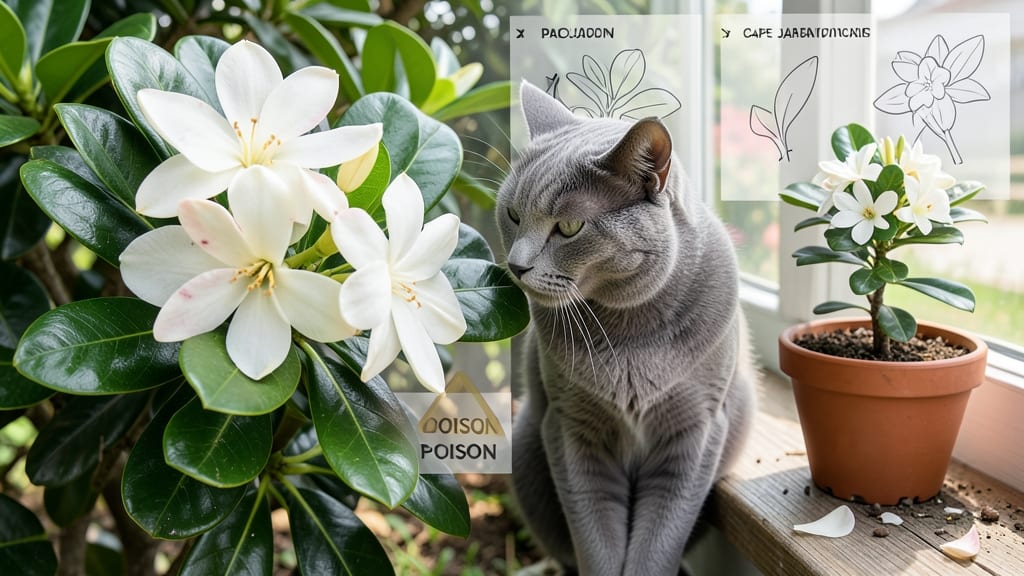
Gardenias are toxic to cats because they contain thevetia peruviana, which can trigger vomiting, lethargy, and excessive drooling if eaten. Always keep them out of reach and contact your vet immediately if ingestion occurs.
Gardenias contain natural compounds called glycosides, which break down into toxic substances when ingested. 🐱 These chemicals primarily affect a cat's digestive and nervous systems, leading to symptoms like diarrhea, weakness, and even heart abnormalities in severe cases.
The severity depends on how much your cat consumes—leaves are more dangerous than flowers—but even small amounts can cause distress.
If you love the fragrance of gardenias but worry about your feline friend, consider pet-safe alternatives like spider plants or African violets. These plants add beauty to your home without the risk.
For a gardenia-like scent, opt for cat-safe varieties or place your gardenias in high, secure spots where curious paws can't reach.
Always monitor your cat's behavior after introducing new plants, and keep emergency vet contact information handy. Prevention is the best way to protect your pet from accidental poisoning.
💡 In This Article
- Toxic Compounds in Gardenias and Their Effects on Cats
- Cat-Safe Alternatives to Gardenias for Pet Owners
Toxic compounds in gardenias and their effects on cats
The primary culprit in gardenias is the compound thevetia peruviana, a cardiac glycoside that disrupts a cat's sodium-potassium pump in heart cells. This pump regulates muscle contractions, and when inhibited, it causes irregular heartbeats.
Gardenias also contain saponins, which create soapy foam when chewed—this is your cat's first warning sign that something's wrong. The leaves contain higher concentrations of these toxins than the flowers, making them particularly dangerous.
When a cat ingests gardenia parts, the glycosides break down into toxic byproducts that affect both the digestive and nervous systems. You'll typically see symptoms within 6-12 hours, starting with excessive drooling (a hallmark of plant toxicity) and progressing to vomiting, diarrhea, and lethargy.
In severe cases, cats may experience weak pulse, difficulty breathing, or even seizures—especially if they consume large amounts of leaves or stems. A 1-2 pound cat eating just 5-10 leaves could show noticeable effects.
The severity depends on three key factors: the plant part consumed (leaves > flowers > stems), the cat's size (smaller cats are more vulnerable), and the amount ingested.
For example, a 10-pound cat eating 3-4 gardenia flowers might experience mild symptoms like drooling and vomiting, while the same cat eating 10 leaves could face life-threatening cardiac issues. The ASPCA classifies gardenias as moderately toxic, meaning they require immediate veterinary attention if ingested.
Here's what happens chemically: The glycosides bind to the Na+/K+ ATPase enzyme in heart cells, preventing it from maintaining proper electrolyte balance. This causes hyperkalemia (dangerously high potassium levels), which disrupts the heart's electrical signaling.
Meanwhile, the saponins irritate the gastrointestinal tract, leading to inflammation and fluid loss through vomiting and diarrhea. This dual attack explains why gardenia poisoning often requires both activated charcoal (to bind toxins) and intravenous fluids (to restore electrolyte balance).
Interestingly, gardenias affect cats differently than dogs. While both species experience gastrointestinal upset, cats are more prone to neurological symptoms like tremors or confusion due to their smaller body size and faster metabolism.
Dogs typically show more severe cardiac symptoms first. The scent of gardenias (which humans adore) contains benzyl acetate and linalool, compounds that may attract curious cats—adding another layer of risk.
If you suspect your cat has ingested gardenia parts, act fast: Induce vomiting only if instructed by a vet (never use hydrogen peroxide without guidance), and monitor for weak pulse or blue gums—signs of cardiac distress.
Keep a sample of the plant (or a photo) for the vet, as this helps determine the exact treatment needed. Prevention is key: Place gardenias in hanging baskets or on high shelves, and consider cat grass alternatives to satisfy your pet's natural urge to nibble.