
Vegetables
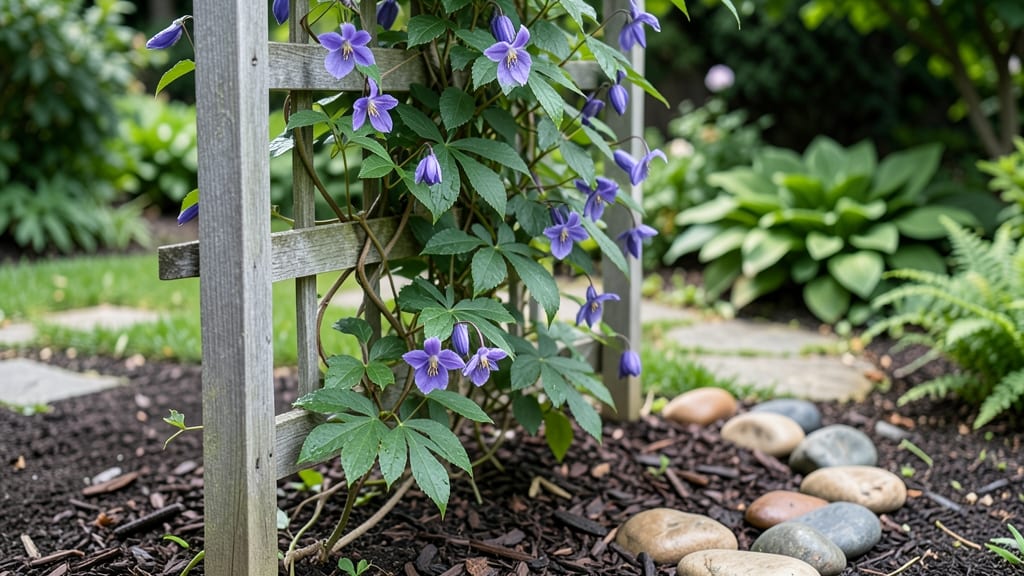
To grow a garden on an ascended fence, attach a vertical raised bed using lightweight cedar or composite wood, secure it with brackets for stability, and select trailing plants like ivy or strawberries that thrive in elevated spaces. Proper drainage is essential for preventing root rot.
Vertical fence gardens transform awkward spaces into lush, productive areas by maximizing upward growth. 🌿 The key is balancing weight distribution—opt for narrow, deep planters (12-18 inches wide) that won't overload fence panels while allowing roots to spread.
Composite materials resist rot better than traditional wood, though cedar remains a budget-friendly classic. For drainage, drill small holes in the bottom and add a layer of gravel before soil to keep moisture flowing.
Plant selection matters just as much as structure. Fast-growing climbers like nasturtiums or black-eyed Susans create instant color, while edible options such as pole beans or cherry tomatoes yield harvests without taking up ground space.
Herbs like thyme or oregano thrive in shallow pockets, perfect for small vertical pockets. Remember: most trailing plants need at least 6 hours of sunlight daily and well-draining soil to prevent soggy roots.
💡 In This Article
- Choosing Materials and Designs for Vertical Fence Gardens
- Best Plants for Ascended Fence Vertical Gardens
Choosing materials and designs for vertical fence gardens
When building a vertical garden on an ascended fence, material selection is critical to balance durability and weight. Cedar remains a top choice due to its natural rot resistance and lightweight nature—weighing about 30-40 pounds per cubic foot when dry.
For even greater longevity, composite wood (like Trex) offers 50% less maintenance than traditional lumber while resisting warping from moisture. Plastic planters, though lighter (15-20 pounds per cubic foot), may lack the aesthetic appeal of wood but excel in urban settings where weight distribution is a concern.
The structural design must account for weight distribution across fence panels. Opt for narrow, deep planters (12-18 inches wide) with a maximum depth of 12 inches to prevent overloading. Secure each section with L-brackets or heavy-duty screws spaced every 24 inches along the fence line.
Drainage is non-negotiable—drill ¼-inch holes in the bottom of containers and add a 2-inch gravel layer before soil to prevent waterlogging, which can cause root rot in just 48-72 hours of poor drainage.
For fences with limited support, consider modular systems where each planter section is independently attached. This allows you to adjust weight distribution based on plant type—heavier edibles like strawberries (which can weigh 1-2 pounds per plant when fruiting) should be placed lower on the structure.
The key is mimicking nature: trailing plants like ivy or clematis naturally distribute weight along the vertical plane, reducing stress on any single attachment point.
Material thickness also impacts stability. Use ½-inch thick cedar or composite boards for planters to maintain rigidity without excessive weight. For plastic, opt for ¼-inch thick walls to balance durability and portability.
Remember, the fence itself must support the combined weight—most wooden fences handle 20-30 pounds per linear foot, while metal or vinyl fences may support even more. Always test stability by gently shaking the structure before planting.
Seasonal expansion matters too. Wood expands 0.5-1% with moisture, so leave ¼-inch gaps between planter sections to prevent warping. Composite materials expand far less (0.1%), making them ideal for areas with extreme temperature swings.
The right design transforms a fence from a simple barrier into a self-supporting ecosystem that thrives year-round.