
Tools
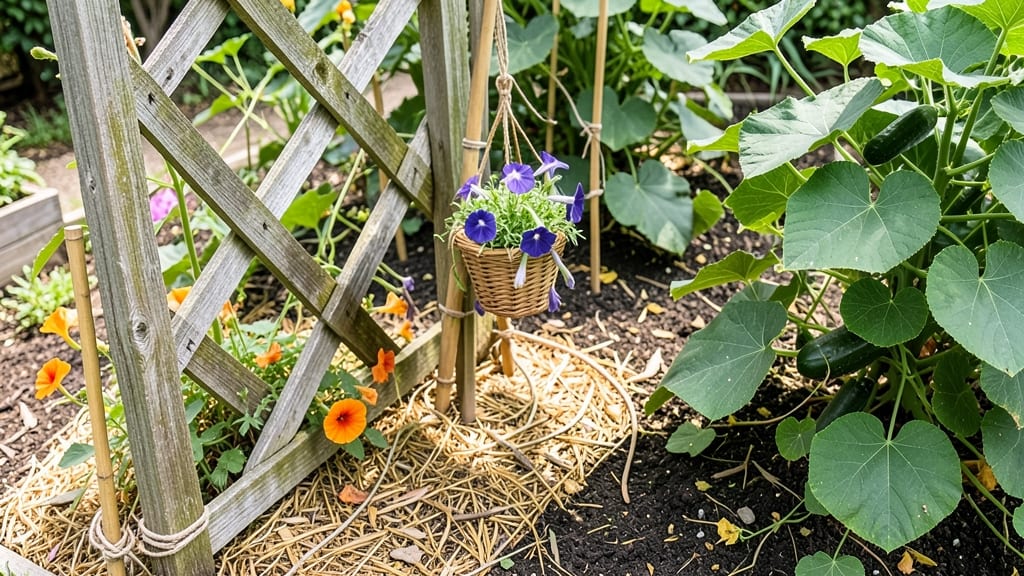
Transform your garden bed with trellis ideas that turn climbing plants like Clematis 🌸 into stunning vertical displays while saving precious space.
Picture this: a tiny patch of soil suddenly bursting with lush vines, fragrant blooms, or bountiful cucumbers—all because you chose the right trellis structure. Whether you're working with a small urban plot or a sprawling backyard, vertical gardening isn’t just creative; it’s a game-changer for productivity.
From rustic wooden arbors to sleek metal obelisks, the options for trellis designs are endless. You’ll discover how to pair materials with your plants—bamboo for lightweight climbers, sturdy wood for heavy vines—and even repurpose everyday items like pallets or wire mesh into functional works of art.
Inside, you’ll find step-by-step DIY plans, plant-specific recommendations, and space-saving hacks to make your garden bed look effortless—no matter the size. Let’s get climbing!
10 Space-saving vertical trellis designs for small garden beds
Small garden spaces don’t mean small harvests or displays! The right vertical trellis design can turn your compact garden bed into a thriving vertical garden. Whether you're growing cucumbers, climbing roses, or morning glories, these space-saving structures maximize your growing potential without sacrificing aesthetics.
Trellises aren’t just functional—they’re design statements. A well-chosen trellis can direct plant growth, prevent disease by improving airflow, and create stunning focal points. From minimalist bamboo spirals to rustic wooden A-frames, there’s a trellis style to match every garden’s vibe and every plant’s needs.
Below, I’ve rounded up 10 innovative trellis designs perfect for small spaces, complete with material recommendations and plant pairings. Whether you’re working with wood, metal, or even recycled materials, these ideas will help you grow upward and outward!
| Trellis Type | Best For | Materials | Height | Plant Pairings |
|---|---|---|---|---|
| A-Frame Trellis | Heavy climbers, cucumbers | Wood, metal | 4-6 ft | Pole beans, grapes, kiwi |
| Teepee Trellis | Lightweight vines, flowers | Bamboo, stakes | 3-5 ft | Morning glories, nasturtiums |
| Obelisk Trellis | Delicate climbers, herbs | Metal, PVC | 5-7 ft | Clematis, sweet peas |
| Spiral Trellis | Tall, twining plants | Bamboo, wire | 6-8 ft | Honeysuckle, wisteria |
| Lattice Panel | Floral borders, roses | Wood, plastic | 3-4 ft | Climbing roses, jasmine |
| Arbor Gate | Pathway climbers | Wood, metal | 6-8 ft | Clematis, ivy |
| Tower Trellis | Heavy fruit plants | Metal, concrete | 7-9 ft | Pumpkins, melons |
| Cage Trellis | Compact vines | Wire, plastic | 2-3 ft | Tomatoes, peppers |
| Fan Trellis | Wide-spreading vines | Wood, metal | 4-5 ft |
How to choose the best trellis for your climbing plantsSelecting the right trellis for your climbing plants can make all the difference in their growth and productivity. The wrong support can lead to weak stems, poor air circulation, or even plant failure. I’ve learned that matching the trellis to your plant’s growth habits, weight requirements, and garden layout is key to success. For example, a delicate clematis vine needs a lightweight lattice, while a heavy cucumber plant requires sturdy vertical support. Start by assessing your garden bed’s size and shape. A small raised bed might benefit from an obelisk or teepee trellis, while larger plots can accommodate arbors or A-frame designs. Consider your plant’s mature size—tall vines like clematis (up to 20 feet) need a trellis that can handle significant height, whereas lightweight flowers like morning glories thrive on simple wire supports. Your trellis choice should also align with your garden’s aesthetic and functional needs. Quick Trellis Selection Guide
Don’t overlook the importance of material durability. Wooden trellises offer a natural look but may require sealing to prevent rot, while metal supports are rust-resistant but can heat up in direct sun. For edible gardens, avoid treated wood that might leach chemicals into your soil. Bamboo is a great eco-friendly option for lightweight plants, as it’s both sturdy and biodegradable. Consider how your trellis will integrate with your irrigation system. Some designs, like vertical lattice panels, allow for drip irrigation to be installed along the back, ensuring even water distribution. For container gardens, look for trellises with built-in planters or modular designs that can be moved as your plants grow. This flexibility is especially helpful for small spaces where you might rotate crops seasonally. Finally, think about maintenance. A trellis with removable sections makes it easier to prune and harvest, while designs with wide spacing between supports allow for better air circulation, reducing disease risk. I’ve found that clematis, for example, benefits from a trellis with horizontal bars spaced 12-18 inches apart to encourage proper vine attachment and growth. Take time to sketch your garden layout and visualize how the trellis will fit. Measure your bed’s dimensions and note any existing structures that might affect placement. With the right trellis, your climbing plants will thrive, creating a stunning vertical display that maximizes your garden’s potential. 🌿 |