
Light Requirements
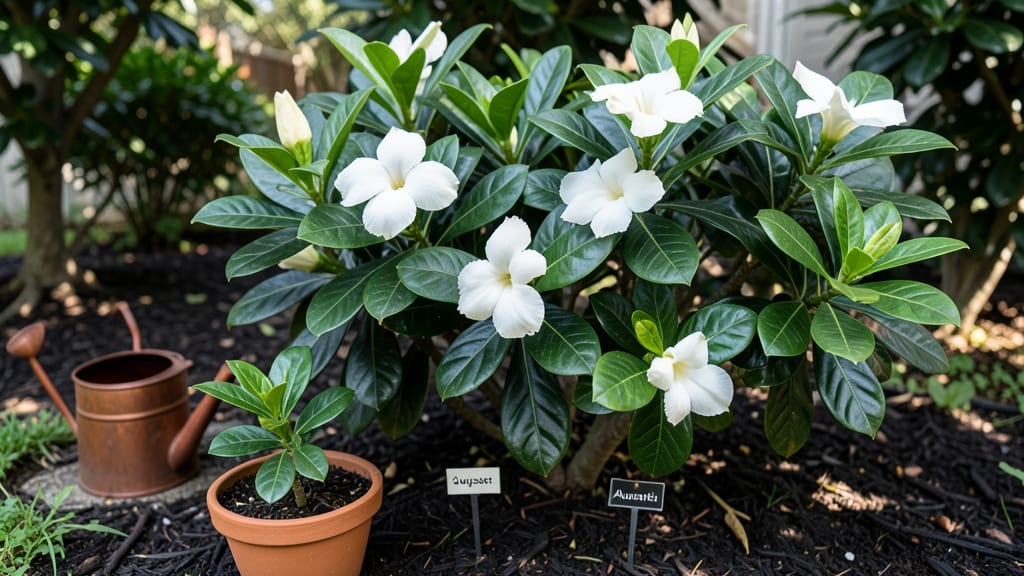
The August Beauty Gardenia’s sun requirements are simple: it thrives with morning sun and afternoon shade—the perfect balance for its delicate blooms and glossy leaves 🌸.
Struggling to keep your August Beauty Gardenia blooming despite your best efforts? Sunlight exposure is the hidden factor making—or breaking—your plant’s success. Too much direct sun scorches its leaves, while too little shade stunts its flowers.
The key lies in mimicking its natural tropical habitat, where dappled light keeps it happy without stress.
This fragrant shrub needs about 4-6 hours of bright, indirect light daily, ideally from an east-facing window or a spot with filtered afternoon shade.
In hotter climates like USDA Zone 6a, afternoon heat can be brutal, so a sheer curtain or strategic placement near a tree can make all the difference. The goal? Keep those creamy-white blooms coming without turning the leaves crispy.
Below, I’ll break down exactly how to position your Gardenia for peak performance, spot the signs of too much (or too little) sun, and adjust care as seasons change. With the right light, your August Beauty will reward you with year-round fragrance and lush growth—no guesswork required.

August Beauty gardenia sunlight requirements: morning sun vs. afternoon heat
The August Beauty Gardenia thrives on a delicate balance of light—too much sun scorches its glossy leaves, while too little shade stunts its fragrant blooms. This tropical beauty prefers morning sunlight paired with afternoon shade, mimicking its native understory habitat.
Understanding this balance is key to unlocking year-round blooms and lush foliage.
Direct afternoon sun (especially in summer months) can cause leaf burn and bud drop, while insufficient morning light weakens growth. The ideal exposure is 4-6 hours of morning sun followed by dappled shade after noon. Let’s break down how to achieve this perfect light recipe for your gardenia.
| Light Condition | Morning Sun (6 AM - 12 PM) | Afternoon Shade (12 PM - 6 PM) | Seasonal Adjustments |
|---|---|---|---|
| Sun Intensity | Full sun (6+ hours) | Partial shade (20-50% filter) | Summer: Increase shade Winter: More direct light |
| Temperature Impact | Cooler, gentler rays | Hot rays cause stress | Use sheer curtains or lattice screens |
| Bloom Impact | Encourages bud formation | Prevents bud drop | Prune nearby trees for filtered light |
| Best Placement | East-facing window/patio | North or west side | Container gardeners: Rotate every 2 weeks |
For container gardeners, rotating your August Beauty Gardenia every 2 weeks ensures even light exposure. Place it near an east-facing window in summer, then move it to a south-facing spot in winter when sunlight is weaker. This mimics natural light cycles and prevents one-sided growth.
In hot climates (Zones 8-10), afternoon shade is non-negotiable. Use lightweight shade cloth (30-50% block) if your gardenia shows signs of leaf scorch—edges turning brown and crispy. Even a well-placed tree or trellis can provide the perfect filter.
Winter care shifts slightly: your gardenia can handle more direct sunlight when days are shorter. If grown in USDA Zone 7 or colder, protect it from frost by moving containers indoors near a bright, cool window. Avoid drafts, which stress the plant and reduce blooming potential.
Watch for yellowing leaves—a classic sign of too much sun or nutrient deficiency. Paired with sparse blooms, this often means your gardenia needs more afternoon shade. Conversely, dark green but leggy growth signals it craves more morning light to support robust blooming.
Pro tip: Mulch heavily around your gardenia’s base to retain moisture and regulate soil temperature. A 3-inch layer of organic mulch (like pine bark) also mimics its native tropical conditions, helping roots stay cool during hot afternoons while still benefiting from morning warmth.
When in doubt, observe your plant’s foliage color and bloom frequency. A happy August Beauty Gardenia has deep green leaves, glossy texture, and continuous blooms from spring to fall. Adjust light gradually—never move it abruptly, as sudden changes shock the plant and cause leaf drop.
With the right light balance, your gardenia will reward you with fragrant, creamy-white blooms all season long. Start with morning sun, shield from afternoon heat, and watch your tropical beauty thrive—just like it would in its natural shady forest home.
Signs your gardenia needs more (or less) sunlight—and how to fix it
Your August Beauty Gardenia might look healthy at first glance, but subtle clues reveal whether it's getting the right amount of sunlight. Too little light leads to leggy growth and fewer blooms, while too much causes leaf scorch and wilting.
Understanding these signs helps you adjust placement before problems worsen.
Start by observing your gardenia’s leaf color. Yellowing leaves often signal too much direct sun, especially if they appear crispy at the edges. Meanwhile, dark green leaves with sparse blooms suggest the plant isn’t getting enough light. Both extremes stress your gardenia and disrupt its natural flowering cycle.
⚠️ callout-warning ⚠️
This tropical beauty thrives on 4-6 hours of morning sun and afternoon shade. Harsh afternoon sun (1 PM–5 PM) causes leaf burn, while deep shade leads to stunted growth. Adjust placement gradually—moving plants too quickly shocks their roots.
🌱 Pro Tip: Test sunlight spots with a gardenia’s shadow—if it’s shorter than the plant at midday, it’s getting too much sun.
If your gardenia’s leaves are dropping unexpectedly, check for overheating from intense sunlight. This often happens when potted gardenias sit on patio surfaces that absorb heat. Move containers to shadier spots or elevate them with pot feet to improve airflow and reduce heat stress.
For sparse blooms, the fix is simple: increase morning sunlight. Place your gardenia near an east-facing window or move it 2–3 feet closer to a south-facing wall*. If outdoors, position it where it receives dappled shade from nearby trees. Avoid west-facing spots, where afternoon sun intensifies.
When adjusting light exposure, do it gradually over 1–2 weeks. Sudden changes shock the plant, causing leaf drop or browning edges. If you’re transitioning from indoor to outdoor care, start with 2 hours of morning sun and slowly increase exposure.
Monitor for new growth—healthy leaves should be glossy and vibrant.
Remember, consistency is key. Gardenias adapt best to stable light conditions. Use sheer curtains indoors or lightweight shade cloths outdoors to filter harsh rays. With the right balance, your August Beauty Gardenia will reward you with fragrant blooms all season long. 🌸