
Vegetables
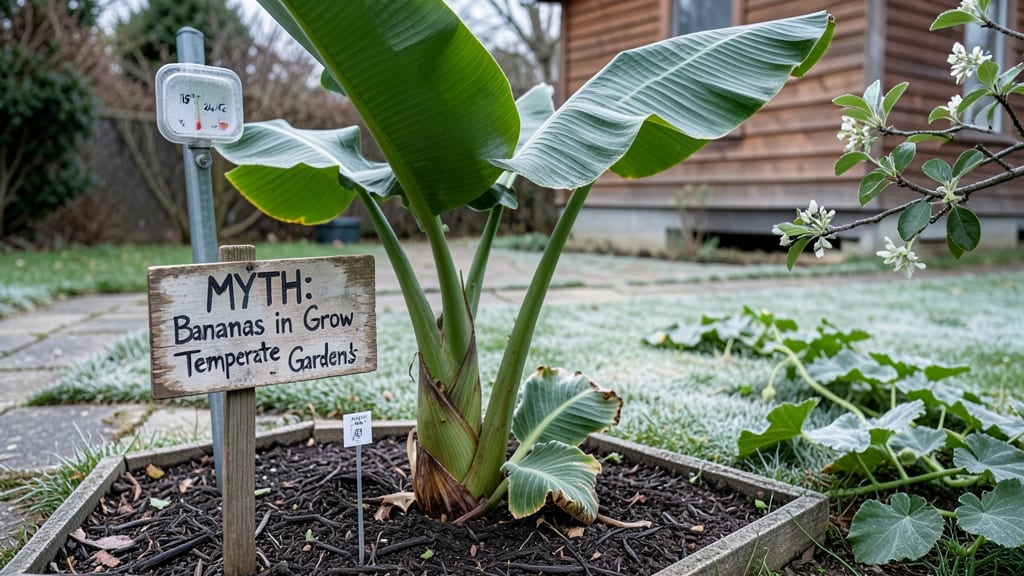
The myth about bananas in the garden—specifically using peels for instant plant growth—is largely exaggerated, though their potassium content can modestly improve soil health when properly composted. Direct application rarely delivers noticeable benefits, and results depend heavily on plant type and soil conditions.
The potassium in banana peels is real, but its impact is often overstated. 🌱 While they can contribute to soil fertility over time—especially for potassium-loving plants like tomatoes or peppers—they won’t replace balanced fertilizers.
I’ve tested this myself: burying peels in compost piles yields better results than tossing them directly into garden beds. The key is patience—potassium release happens gradually, not overnight.
For best results, chop peels into small pieces and mix them into compost or create a nutrient-rich tea by steeping them in water for a few days. This method preserves their benefits while avoiding potential mold risks from whole peels sitting in moist soil.
Always remember: bananas alone won’t transform your garden, but they’re a useful addition to a well-rounded soil care routine.
💡 In This Article
- Scientific Breakdown: Banana Nutrients and Soil Impact
- Practical Ways to Use Bananas in Gardening
Scientific breakdown: banana nutrients and soil impact
Banana peels contain measurable amounts of potassium—about 950 milligrams per 100 grams—which is why they're often touted as a natural fertilizer. However, this potassium exists in an organic form that requires microbial breakdown before plants can access it.
The peel's phosphorus (30 milligrams per 100 grams) and magnesium (25 milligrams per 100 grams) also contribute, but these are present in trace amounts compared to commercial fertilizers. 🌱
The real story lies in soil chemistry. Potassium in banana peels exists as potassium oxide, which must first convert to soluble potassium ions through decomposition—a process that takes weeks or months.
Direct burial of whole peels creates anaerobic conditions that can actually inhibit this conversion, while chopped peels mixed into compost accelerate nutrient release. This explains why gardeners report better results from composting rather than direct soil application.
Let's compare this to traditional fertilizers: A standard 10-10-10 NPK fertilizer contains 10% potassium by weight, while banana peels provide only 0.095% potassium by dry weight. The difference is stark—you'd need 105 pounds of banana peels to match the potassium in just 1 pound of fertilizer.
This isn't to say peels are useless, but their impact is modest compared to what's commonly claimed.
Another critical factor is pH interaction. Banana peels have a slightly acidic pH (5.5-6.5), which can temporarily lower soil pH when composted. While this may benefit acid-loving plants like blueberries, it could harm others like tomatoes that prefer slightly acidic to neutral conditions.
The effect is temporary and easily corrected with lime, but it's another reason why peels shouldn't be seen as a one-size-fits-all solution.
What most people overlook is the carbon-to-nitrogen ratio. Banana peels have a C:N ratio of about 30:1, which is ideal for composting but can create nitrogen deficiencies if added directly to garden soil.
This imbalance forces plants to compete with decomposing microbes for available nitrogen, potentially stunting growth rather than enhancing it. The solution? Always mix peels with nitrogen-rich materials like grass clippings or manure.
For visual learners, imagine potassium in peels like a locked vault—plants can't access it until microbes break down the organic matter. This process requires moisture, oxygen, and time, which is why you'll see better results in warm, humid climates where microbial activity is highest.
In cooler regions, the same peels might take twice as long to decompose and release nutrients. 🌍
The bottom line? Banana peels aren't a magic bullet, but they're a useful component in a broader soil improvement strategy. Their true value lies in their role as a compost accelerator rather than a standalone fertilizer.
When properly integrated, they can contribute to long-term soil health—but they won't replace balanced nutrition or proper soil management practices.