
Planting
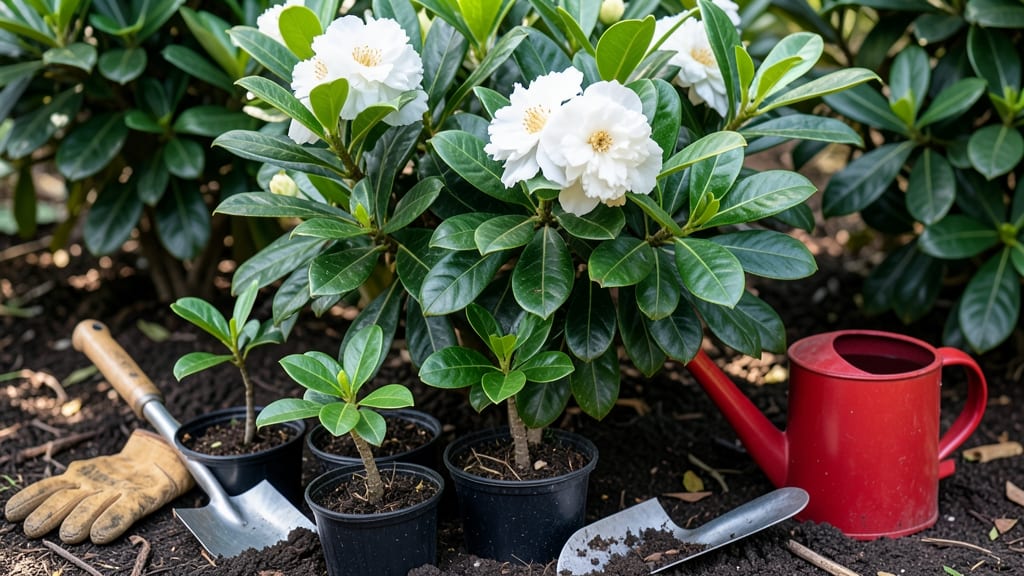
Planting gardenias at the best time ensures those fragrant blooms 🌸 and lush foliage you dream of—late spring to early summer, after your last frost, is the golden window.
Southern gardeners know the struggle—planting gardenias too early risks frost damage, while waiting too long can stunt their iconic fragrance and blooms. Timing isn’t just about seasons; it’s about microclimates, soil warmth, and even moon phases for maximum success.
In USDA Zones 6-10, the ideal window shifts from late May in cooler regions to April in warmer climates like Florida or Texas. But here’s the kicker: soil temperature matters more than the calendar. A 55°F+ reading means roots will thrive, not just survive.
Below, I’ll break down the exact months by zone, how to prep your soil for acid-loving gardenias, and the one pruning trick that keeps blooms coming year after year.


Optimal planting windows for gardenias by US hardiness zones
Planting gardenias at the right time ensures vibrant blooms and healthy growth. In Southern zones (6-10), timing varies dramatically—Florida’s frost-free winters contrast sharply with Texas’ brutal summer heat.
The key? Plant when soil temperatures hit 60°F+ and frost risk disappears. Miss this window, and your gardenia might struggle to establish roots or bloom.
For USDA Zones 7-9, the sweet spot is late spring to early summer (May-June). But in Zone 10, you can plant year-round—just avoid peak summer heat (July-August).
Each region has unique challenges: coastal areas battle humidity, while inland zones face drought. Let’s break it down by zone for foolproof success.
In Zone 6, where frost lingers until mid-April, I always plant gardenias in late May. The soil needs time to warm up—cold roots invite root rot.
Use a soil thermometer to confirm temperatures above 60°F before digging. In Zone 7, I opt for April planting to give roots a head start before summer’s humidity peaks.
For Zone 8-9, early spring planting (February-March) works wonders. The mild winters mean no frost damage, and the gentle rains keep soil moist. However, Texas gardeners must avoid planting in summer—the 100°F+ heat stresses young plants. Instead, I schedule transplants for September to beat the heat.
In Zone 10, where frost is nonexistent, timing shifts to avoiding stress. Plant in fall (September-October) for winter blooms or early spring (January-February) to escape summer’s intensity. I’ve seen gardenias thrive in Southern California’s Mediterranean climate when planted during cooler months.
Regional microclimates add another layer. Coastal areas like <
Signs your soil and climate are ready for gardenia planting
Before you rush to plant your gardenia shrubs, check these three critical signs to ensure success. Gardenias thrive in warm soil and humid climates, but planting too early or late can lead to poor root establishment and fewer blooms.
I’ve learned the hard way—skipping these checks means risking stunted growth or even plant death.
First, verify your soil temperature has reached at least 55°F (13°C). Use a soil thermometer to check 6 inches deep, where roots will establish. Cold soil slows root growth, making your gardenia vulnerable to transplant shock.
In my Zone 7 garden, I wait until mid-May when soil consistently stays above this threshold.
Next, assess your local humidity levels. Gardenias love 60-70% humidity—ideal for Southern climates but tricky in dry areas. If your region is unusually dry, consider planting near a water feature or using mulch to retain moisture. I’ve seen gardenias wilt dramatically in low-humidity conditions without extra care.
⚠️ callout-warning
⚠️ Common Mistake: Planting Too Early
Even if your last frost date has passed, soil temperature may still be too cold. Gardenias planted in chilly soil (below 55°F) suffer from root rot or poor nutrient uptake. Use a soil thermometer—don’t guess! If temps fluctuate, delay planting by 2-3 weeks for safer growth.
💡 Pro Tip: Test drainage by digging a 6-inch hole, filling it with water, and timing how long it takes to drain. If water lingers beyond 2 hours, amend soil with perlite or sand to improve airflow.
Don’t overlook drainage tests—this is where many gardeners fail. Poor drainage leads to root suffocation and fungal diseases. Fill a hole with water and measure drainage time; gardenias need soil that drains within 1-2 hours.
If your soil is heavy clay, mix in organic matter like compost or peat moss to improve structure.
Finally, monitor your local weather forecast for the next 2 weeks. Avoid planting during heatwaves or heavy rain periods, as both stress young plants. I once planted gardenias during a 90°F heatwave, and they struggled to establish roots for 6 weeks.
Aim for mild, stable temperatures (70-80°F) for the best start.
If you’ve checked all these signs but still feel unsure, delay planting by 1-2 weeks. Gardenias are forgiving once established, but giving them the perfect start ensures vibrant blooms and healthy growth for years. Patience now means fragrant rewards later! 🌸