
Plants
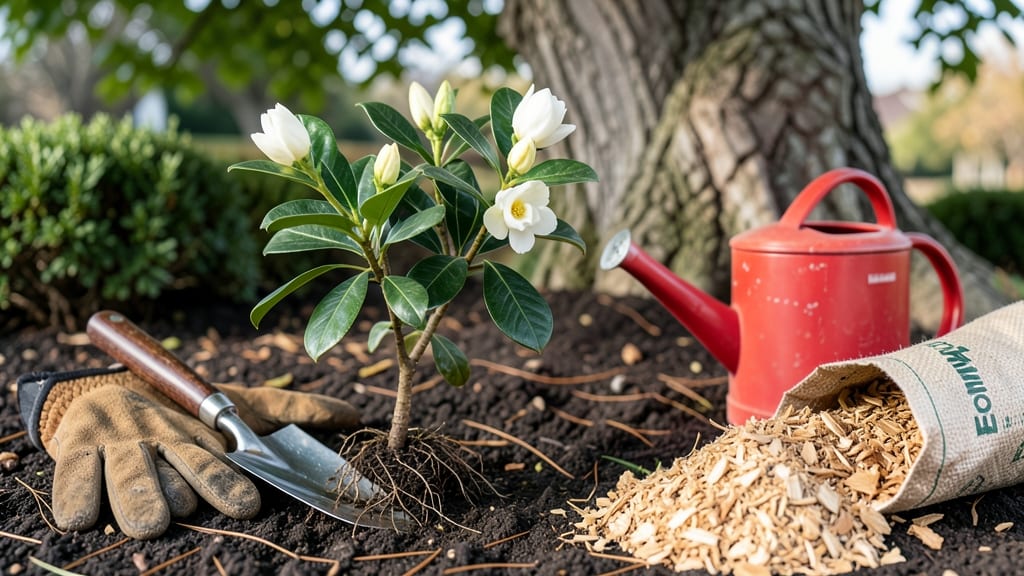
Plant gardenias in North Carolina between mid-March and April after the last frost date to give these fragrant shrubs the best start.
Timing is everything for your gardenia’s success—plant too early, and a late frost can kill tender roots. Too late, and the heat arrives before the plant establishes, leaving you with stunted growth or no blooms at all.
North Carolina’s varied climate zones mean the exact window shifts from the coast to the mountains. Coastal areas can plant as early as late February, while higher elevations in the Piedmont and Mountains should wait until April to avoid frost risks.
Below, I’ll break down the best months for each region, how to prep your soil, and the key signs your gardenia is ready to thrive in NC’s spring conditions.
Best months to plant gardenias in NC (avoiding frost risks)
North Carolina's diverse climate means gardenia planting times vary dramatically between the Coastal Plain, Piedmont, and Mountain regions. While gardenias love warmth, planting too early risks frost damage, while waiting too long can stunt their growth.
The key is understanding your last frost date and preparing for summer heatwaves that follow.
In the Coastal region, gardenias can often go into the ground as early as mid-February, while Mountain gardeners typically wait until late April. The Piedmont falls somewhere in between, with March 15-April 15 being the sweet spot.
Each region also faces unique challenges—coastal areas battle humidity, while mountain zones contend with shorter growing seasons.
| Region | Ideal Planting Window | Avg Last Frost Date | Heatwave Prep |
|---|---|---|---|
| Coastal Plain | Mid-February to early April | February 15 | Mulch heavily; provide afternoon shade |
| Piedmont | March 15 to April 15 | March 15 | Drip irrigation; prune for airflow |
| Mountains | Late April to May 15 | April 30 | Cold frames; extend season with row covers |
For Coastal NC, the 30-day frost-free window typically begins in mid-February, giving you time to plant gardenias early. However, the region's high humidity means you'll need to monitor for powdery mildew—a common fungal issue.
I always add sulfur-based fungicide to my soil mix to prevent this problem before planting.
The Piedmont's later frost dates mean you can start gardenias in mid-March, but be prepared for 90°F+ heatwaves by late spring. I recommend planting in morning sun locations with afternoon shade from nearby trees. This helps prevent leaf scorch while still giving your gardenia enough light to bloom.
In the Mountains, where frosts can linger until late April, gardenias should wait until after Mother's Day. The shorter growing season means you'll need to harden off nursery plants for 2 weeks before transplanting.
I also use black plastic mulch to warm the soil faster—this gives mountain gardenias a head start in their shorter season.
No matter your region, always check soil temperature before planting—gardenias thrive when soil is at least 60°F. I use a soil thermometer to confirm readiness. Cold soil slows root growth, making your gardenia vulnerable to stress.
If your soil is still chilly, consider container planting to give roots better control over temperature.
After planting, focus on watering deeply 2-3 times per week to establish roots. Gardenias hate soggy soil but need consistent moisture. I set up drip irrigation on a timer to avoid overwatering while ensuring they get enough.
In Coastal areas, this also helps prevent fungal diseases that thrive in humid conditions.
For heatwave preparation, prune gardenias in early spring to improve airflow. I remove any crossing branches and thin out dense foliage. This reduces stress during summer heat.
In Piedmont and Mountain regions, where heatwaves hit later, I also apply a light mulch layer to retain moisture and regulate soil temperature.
Remember, gardenias are acid-loving plants, so test your soil pH before planting. Aim for 5.0-6.0—any higher, and your gardenia may struggle to absorb nutrients. If your soil is too alkaline, amend it with peat moss or sulfur 4-6 weeks before planting to give it time to adjust.
With the right timing and preparation, your gardenias will reward you with fragrant blooms from June through September. The key is matching your planting window to your region's frost patterns while preparing for summer's challenges.
Get it right, and you'll enjoy years of sweet-smelling gardenias that attract pollinators and fill your garden with elegance. 🌸
Signs your NC gardenia planting timing is perfect (or too early/late)
Your gardenia’s planting timing is perfect when the soil temperature consistently stays above 60°F (15°C) at a depth of 2-3 inches. Use a soil thermometer to check—this warmth signals the roots can establish without frost stress.
In North Carolina, this typically aligns with mid-April for most regions, but coastal areas may hit this mark by late March.
Another key sign is the last frost date for your area. Check the NC State Climate Office for your county’s average last frost—planting 2-3 weeks after this date gives your gardenia a safety buffer. For example, Raleigh’s last frost is usually March 15, so aim for early April planting.
🌱
60°F+ (15°C+)
Below 50°F (10°C)
Above 80°F (27°C)
Zero (2+ weeks past last frost)
High (before last frost)
None (heat stress risk)
Deep green, no yellowing
Pale or yellowing
Wilting or scorched
Stable temps, no rain forecasts
Unpredictable cold snaps
Extended heatwaves
Watch your gardenia’s leaf color as another clue—healthy green leaves mean it’s ready for transplanting. If you notice yellowing or wilting, it’s a sign the plant is stressed from too-early planting or heat stress if planted too late.
In NC’s Piedmont region, where nights can still dip below 50°F (10°C) in early spring, wait until leaves show no signs of cold damage before planting.
Pay attention to weather forecasts for the week after planting. Aim for a stretch of stable temperatures with no rain in the forecast—this gives your gardenia’s roots time to establish without waterlogging. The NC State Extension offers localized 10-day forecasts that can help you time your planting perfectly.
If you’re planting in containers, the timing shifts slightly—you can plant 2 weeks earlier since containers warm up faster. However, always check soil temps to avoid shocking the roots.
For in-ground planting, stick to the 60°F+ rule and avoid planting when daytime highs exceed 85°F (29°C), which can stress young plants.
Finally, trust your local nursery’s advice. Garden centers in your area know the microclimates that affect planting times—whether you’re in the coastal humidity of Wilmington or the drier air of Asheville. Their insights can help you fine-tune the perfect timing for your gardenia’s success. ☀️