
Vegetables
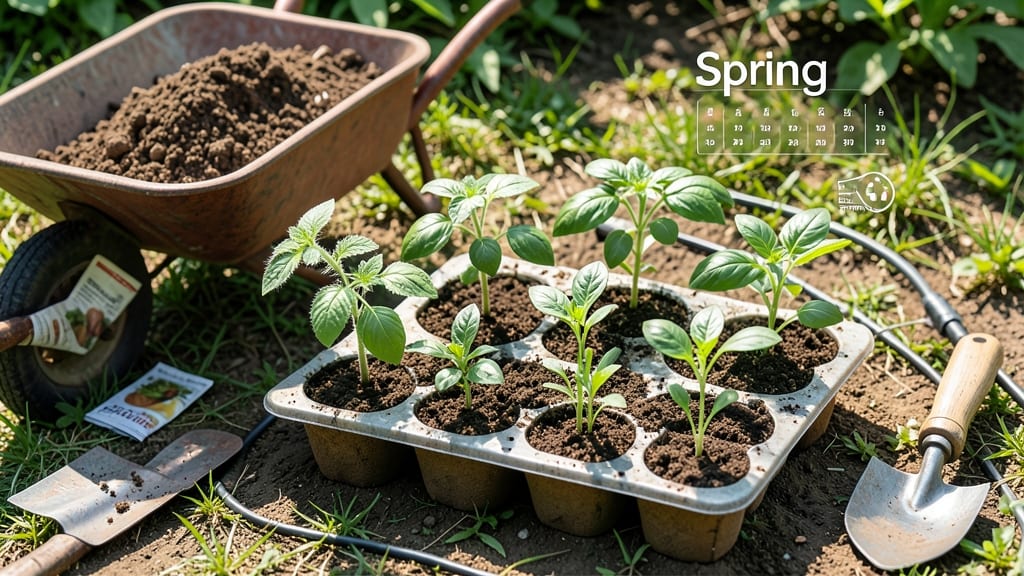
Planting a vegetable garden at the best time ensures your 🥕 crops thrive from seed to harvest, avoiding the heartbreak of stunted growth or bolting.
Timing your vegetable garden planting can mean the difference between a bountiful harvest and wasted effort—getting it wrong by even a few weeks could leave your plants struggling in less-than-ideal conditions.
If you're in USDA Zone 6a, like many gardeners, your spring window opens around March, but the exact dates depend on whether you're planting cool-season greens or heat-loving tomatoes.
Below, I’ll break down the peak planting months for your region, how to adjust for early/late frosts, and the simple soil prep tricks that make all the difference.


How to determine your planting zone and last frost date
Understanding your planting zone and last frost date is the foundation of a successful vegetable garden. These two factors determine when to plant seeds, seedlings, and even when to harvest.
Without this knowledge, you might plant too early and risk frost damage or too late and miss the growing season entirely.
Your USDA hardiness zone tells you which plants can survive winter in your area, while the last frost date marks the safest time to plant warm-season crops.
Together, they create a planting timeline tailored to your local climate. Let’s break down how to find yours in just a few simple steps.
Once you’ve identified your USDA hardiness zone, you’ll know which perennial plants can overwinter in your garden. For example, Zone 5 gardeners can grow asparagus and rhubarb, while Zone 9 gardeners might opt for citrus trees or olives.
This zone also helps you choose annual vegetables that thrive in your climate.
Your last frost date is equally critical. For warm-season crops like tomatoes and peppers, wait until after this date to plant. Cool-season crops like lettuce and spinach can often handle light frosts, so you can plant them 4-6 weeks before the last frost.
Always check local resources, as frost dates can vary by 1-2 weeks from year to year.
For a more precise approach, use a soil thermometer to monitor soil temperatures. Most seeds need soil temps between 50°F and 85°F to germinate. For example, peas germinate best at 50°F-70°F, while cucumbers thrive at 70°F-90°F.
This extra step ensures your plants get off to the right start.
If you’re unsure about your frost dates, consider using row covers or a cold frame to extend your growing season. These tools protect young plants from unexpected late frosts and allow you to plant earlier in spring or later in fall.
For instance, in Zone 6, you might start broccoli seeds indoors 6-8 weeks before the last frost and transplant them with a row cover for extra protection.
Don’t overlook microclimates in your garden. A south-facing slope might warm up faster than the rest of your yard, while a low-lying area could stay colder longer. Observe these differences and adjust your planting times accordingly.
For example, herbs like basil may thrive in a sunny microclimate even if the rest of your garden isn’t quite ready.
Finally, keep a gardening journal to track your frost dates and planting success over the years. Note any deviations from the norm—like an unusually early or late frost—and adjust your planting schedule accordingly. Over time, you’ll develop a deeper understanding of your local climate and fine-tune your garden’s productivity
Best planting months by vegetable type and climate zone
Timing your vegetable garden planting is everything—planting cool-season crops too late or warm-season crops too early can ruin your harvest. The key lies in matching your USDA climate zone with each crop's ideal temperature range.
For example, lettuce and spinach thrive in cooler weather, while tomatoes and peppers need warmth to germinate. Let's break it down by zone and crop type to maximize your garden's potential.
In USDA zones 3-5, where winters are harsh, focus on spring planting for most vegetables, with a second window in late summer for fall harvests. Zones 6-8 offer longer growing seasons, allowing for both spring and fall plantings, while zones 9-11 can grow year-round with careful planning.
Understanding these windows helps you avoid common mistakes like bolting lettuce or stunted tomatoes.
Succession planting is another game-changer. For example, in zone 7, you might plant radishes every 2 weeks from March to July for continuous harvests. This strategy works for both cool-season crops and warm-season crops, ensuring your garden stays productive all season long.
For USDA zones 3-5, prioritize spring planting of cool-season crops like kale and broccoli 4-6 weeks before your last frost date. In these colder regions, fall planting is also critical—start seeds indoors in July for spinach and lettuce that will mature before frost.
The key is to calculate your first frost date and work backward to ensure harvests occur before temperatures drop.
In warmer zones (9-11), you can extend your growing season by planting warm-season crops like eggplants and okra in fall for winter harvests. Use shade cloth during peak summer heat to protect delicate plants.
For example, in zone 10, you might plant tomatoes in February and again in August for a continuous supply. This dual-season approach maximizes your garden's productivity.
Remember, soil temperature matters just as much as air temperature. Use a soil thermometer to ensure warm-season crops are planted when soil reaches 60°F or higher. For cool-season crops, aim for 40-50°F soil temperatures. With