
Fertilization
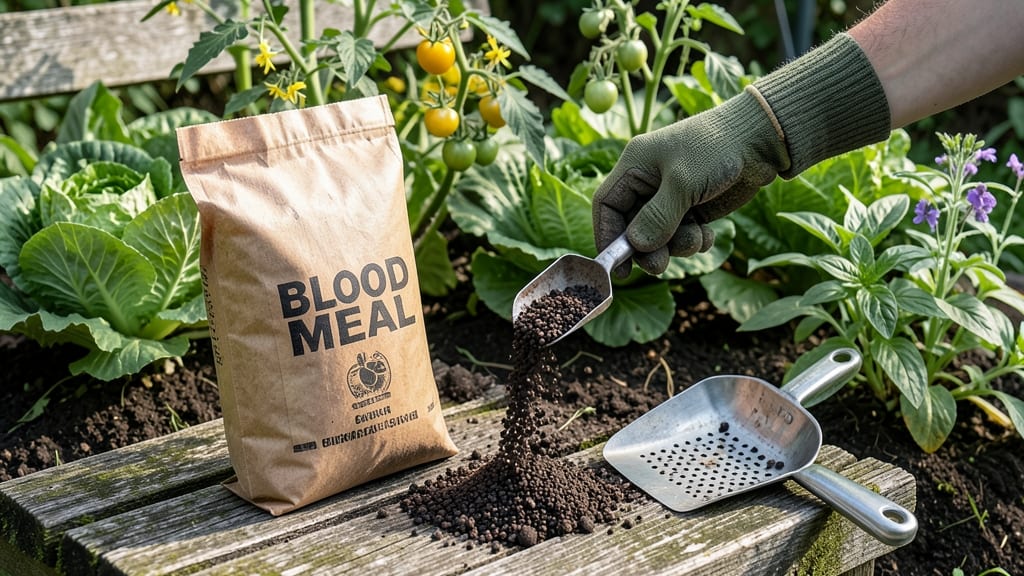
Using blood meal in gardens provides a powerful nitrogen boost to soil, fueling rapid leafy growth and vibrant foliage, but must be applied carefully to prevent root burn or over-fertilization. Start with just 1 to 2 tablespoons per plant for nitrogen-loving vegetables like tomatoes and leafy greens.
Blood meal's effectiveness comes from its 12-13% nitrogen content, which plants absorb quickly—unlike slow-release organic fertilizers. 🌱 This fast-acting nutrient kickstarts chlorophyll production, giving plants that signature deep green color and helping them recover from stress or transplant shock.
However, its potency means it should only be used in early spring or late summer when plants can handle the nitrogen surge without overgrowth. For delicate flowers or root crops, I recommend mixing it into the soil a few inches deep rather than sprinkling it on top.
What sets blood meal apart is how it interacts with soil microbes.
When properly incorporated, it stimulates beneficial bacteria that help break down organic matter, creating a nutrient-rich environment. But timing matters: applying it too close to harvest can lead to bitter-tasting produce, while overuse can create an imbalance that favors leafy growth over fruit production.
I've found that pairing it with compost or well-rotted manure helps moderate its intensity while still delivering those lush, healthy plants we all love.
💡 In This Article
- How Blood Meal Works as a Natural Nitrogen Booster
- Best Practices for Applying Blood Meal in Your Garden
How blood meal works as a natural nitrogen booster
Blood meal's superpower comes from its 12-13% nitrogen content by weight, which is about 4-5 times more concentrated than typical organic fertilizers like compost (which usually contains just 1-2% nitrogen). This high nitrogen level comes from dried, ground animal blood—primarily from cattle—processed into a fine, dark brown powder.
When you sprinkle it into your garden, it dissolves quickly in soil moisture, releasing ammonium ions (NH₄⁺) that plants can absorb through their roots within days. This rapid release is what gives blood meal its reputation for producing almost instant green-up in plants.
The nitrogen in blood meal plays a crucial role in chlorophyll production, the green pigment that drives photosynthesis. Without sufficient nitrogen, plants develop pale leaves and stunted growth.
You'll notice this effect dramatically in nitrogen-hungry crops like leafy greens, corn, and tomatoes, where leaves turn a vibrant, deep green within just a few weeks of application.
The process works best in slightly acidic to neutral soils (pH 6.0-7.0), where soil microbes can efficiently convert the ammonium into nitrates (NO₃⁻), the form most plants prefer. In alkaline soils, some of that nitrogen can become locked up and unavailable to plants.
What makes blood meal unique compared to other organic fertilizers is its quick-release mechanism. Unlike slow-release options like compost or worm castings—which take weeks or months to break down—blood meal starts working almost immediately.
This makes it ideal for reviving stressed plants, jumpstarting spring growth, or giving plants a mid-season boost. However, this rapid action also means it can easily overpower delicate plants or those in their fruiting stage, leading to excessive leafy growth at the expense of flowers or fruit production.
Think of it like giving a plant an espresso shot—great for energy, but too much can cause jitters!
Another fascinating aspect is how blood meal interacts with soil microbes. The nitrogen it provides acts as a food source for beneficial bacteria and fungi in the soil, which in turn helps break down other organic matter.
This creates a positive feedback loop where the soil ecosystem becomes more active and nutrient-rich over time. However, this microbial activity also means blood meal works best when mixed into the top 2-3 inches of soil rather than simply sprinkled on the surface.
Surface application can lead to rapid nitrogen loss through volatilization (where nitrogen gases escape into the air) or leaching (where it washes away with rain).
For best results, I recommend using blood meal in early spring when plants are actively growing or in late summer to prepare them for fall planting. This timing helps plants utilize the nitrogen before it has a chance to cause overgrowth or nutrient imbalances.
A little goes a long way—just 1 tablespoon per square foot is often sufficient for most garden beds, while 1-2 tablespoons per plant works well for vegetables and herbs. The key is to monitor your plants closely after application and adjust future doses based on their response.
One common misconception is that blood meal is only for leafy greens. While it excels with crops like spinach, kale, and lettuce, it can also benefit fruiting plants when used judiciously.
For example, a light application in early spring can help tomato plants develop strong foliage that supports better fruit production later in the season.
The trick is balancing nitrogen levels—too much can lead to weak stems or reduced fruit quality, while the right amount creates a powerhouse of healthy, productive plants. 🌿