
Planting
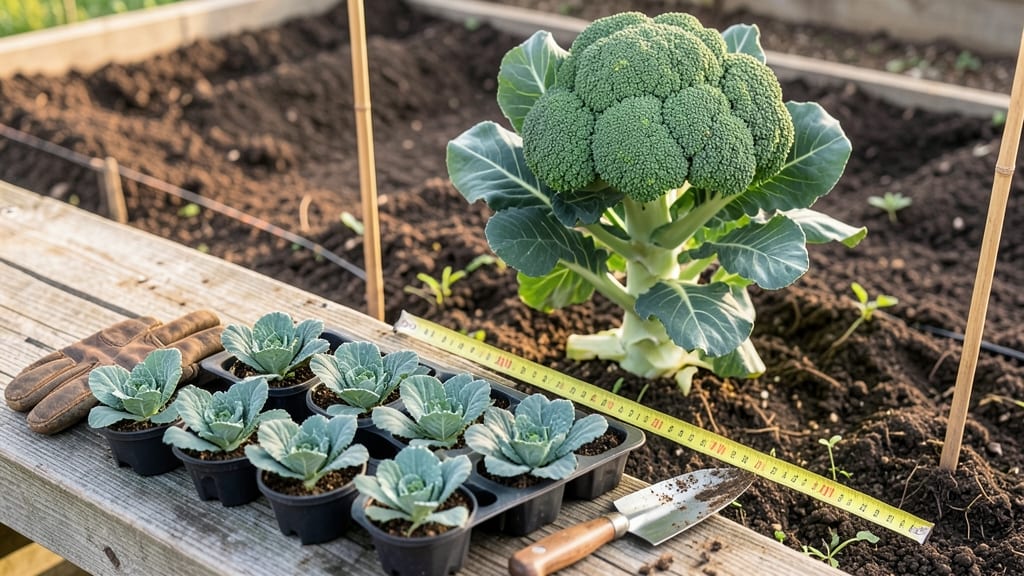
Spacing broccoli 🥦 in your garden correctly is the difference between bushy, flavorful heads and scraggly stalks that attract pests.
Struggling with lanky broccoli stalks or crowded plants that attract pests? The secret to harvesting thick, flavorful heads lies in the inches between each plant—here’s the science-backed spacing guide every gardener needs.
Too close, and your plants compete for nutrients, leaving you with small, bitter heads and a cabbage worm buffet. Too far apart, and you waste precious garden real estate. In Zone 6a, the ideal spacing keeps airflow strong while maximizing yield.
Below, I break down the exact inches for different varieties, how to arrange them in small or large plots, and the companion plants that naturally deter pests—so you can go from guesswork to garden success.
Perfect broccoli spacing by plant type: inches for bushy heads vs. tall varieties
Getting the broccoli spacing right isn’t just about fitting more plants into your garden—it’s about growing thick, flavorful heads while keeping pests like cabbage worms at bay. I’ve learned the hard way that cramming plants too close leads to stunted growth and poor airflow, which invites fungal diseases.
The key? Understanding how each variety needs space to thrive.
Broccoli comes in two main categories: bush types (like calabrese and romanesco) and tall varieties (such as sprouting broccoli). Each has its own spacing needs, and ignoring them can mean the difference between a bumper crop and a disappointing harvest.
Let’s break down the exact inches you need for each type, including row spacing and plant-to-plant distance.
Here’s the comparison-table for broccoli spacing by variety, including row spacing, plant-to-plant distance, and why these measurements matter:
| Variety | Plant-to-Plant Distance | Row Spacing | Notes |
|---|---|---|---|
| Calabrese (Bush Type) | 18–24 inches | 24–36 inches | Compact heads; ideal for small gardens. |
| Romanesco (Bush Type) | 18–24 inches | 24–30 inches | Fractal-shaped heads; needs slightly less row space. |
| Sprouting Broccoli (Tall Type) | 24–30 inches | 36–48 inches | Tall stalks; requires extra row space for sunlight. |
| Hybrid Varieties (e.g., Packman) | 18–24 inches | 24–36 inches | Disease-resistant; follow bush-type spacing. |
For calabrese broccoli, the most popular variety, I recommend spacing plants 18–24 inches apart within rows and 24–36 inches between rows. This gives the plants enough room to develop large, dense heads without competing for nutrients.
If you’re growing romanesco, which has a unique fractal shape, you can slightly reduce row spacing to 24–30 inches since its growth habit is more compact.
Tall varieties like sprouting broccoli need even more room—24–30 inches between plants and 36–48 inches between rows. These varieties produce multiple harvestable side shoots, but they require full sun exposure and ample space to avoid shading each other.
If you’re short on space, consider growing them in raised beds or containers with deeper soil.
Why does spacing matter so much? Overcrowding leads to poor air circulation, which traps moisture and invites fungal diseases like downy mildew. It also makes it easier for cabbage worms and aphids to hide in the dense foliage.
Proper spacing ensures your plants get the sunlight, water, and nutrients they need to grow strong and healthy.
If you’re working with a small garden, opt for bush-type varieties like calabrese or hybrid Packman. They’re more forgiving when it comes to spacing and still produce large, flavorful heads.
For larger plots, you can mix varieties—plant calabrese in one row and sprouting broccoli in another to maximize your harvest.
One pro tip I’ve picked up from fellow gardeners: thin your seedlings early. Start by sowing seeds 1–2 inches apart, then thin them to the recommended spacing once they’re a few inches tall.
This prevents overcrowding from the get-go and gives your plants a strong start. Just be gentle—you don’t want to damage the roots!
Finally, don’t forget about companion planting. Surrounding your broccoli with onions, celery, or mint can help deter pests while improving growth. These companions also benefit from the same spacing guidelines, so plan your layout accordingly.
With the right spacing, you’ll be on your way to a bountiful, pest-free broccoli harvest in no time.
How to space broccoli for maximum yield: layout tips for small gardens vs. large plots
When planning your broccoli garden layout, spacing makes all the difference between scraggly side shoots and bushy, flavorful heads. In small gardens, every inch counts, while larger plots offer flexibility—but both need strategic placement to maximize airflow and sunlight.
Here’s how to optimize your setup whether you’re working with containers, raised beds, or open soil.
Start by considering your broccoli variety. Dwarf varieties like 'Calabrese' need 12-18 inches apart, while larger types such as 'Romanesco' require 24-30 inches to thrive. Row spacing should be 24-36 inches to prevent shading and disease.
For small gardens, use vertical space with trellises or interplant with shallow-rooted companions like lettuce or radishes.
- 1 Containers: Plant 1 broccoli plant per 12-inch pot (use dwarf varieties). Ensure pots have drainage holes and are placed in full sun. Rotate containers weekly for even growth.
- 2 Raised Beds: Space plants 18 inches apart in rows 24 inches apart. Use companion planting with onions or celery to deter pests. Mulch with straw to retain moisture and suppress weeds.
- 3 Open Soil: For large plots, use 30-inch spacing in rows 36 inches apart. Plant in a north-south orientation to maximize sunlight exposure. Avoid planting broccoli in the same spot yearly to prevent soil-borne diseases.
- 4 Companion Plants: Pair broccoli with onions, celery, or mint to repel cabbage worms. Avoid planting near strawberries or tomatoes, which compete for nutrients. Use dill or fennel to attract beneficial insects like ladybugs.
- 5 Sunlight Tips: Ensure each plant gets 6+ hours of direct sunlight daily. In shaded areas, opt for shade-tolerant varieties like 'De Cicco' broccoli. Use reflective surfaces like white mulch to bounce extra light onto plants.
For small gardens, prioritize vertical growth by training broccoli plants up a trellis or cage. This frees up ground space for other crops like bush beans or lettuce, which thrive in partial shade.
In larger plots, create wide rows with alleys for easy access and better airflow, reducing the risk of fungal diseases like downy mildew.
Always adjust spacing based on your local climate. In cooler regions, plants can be spaced slightly closer together, while hotter climates require more room to prevent stress. Test your soil’s pH (6.0-7.0 ideal) and amend with compost to ensure healthy root development.
A well-spaced broccoli garden isn’t just about yield—it’s about preventing pests and diseases naturally.
Remember, thinning seedlings is key. Once seedlings are 2-3 inches tall, thin to your target spacing to give each plant room to grow. This might seem harsh, but it ensures stronger, healthier plants with larger heads and fewer pests. Happy planting—and enjoy those homegrown broccoli crowns! 🥦