
Advice
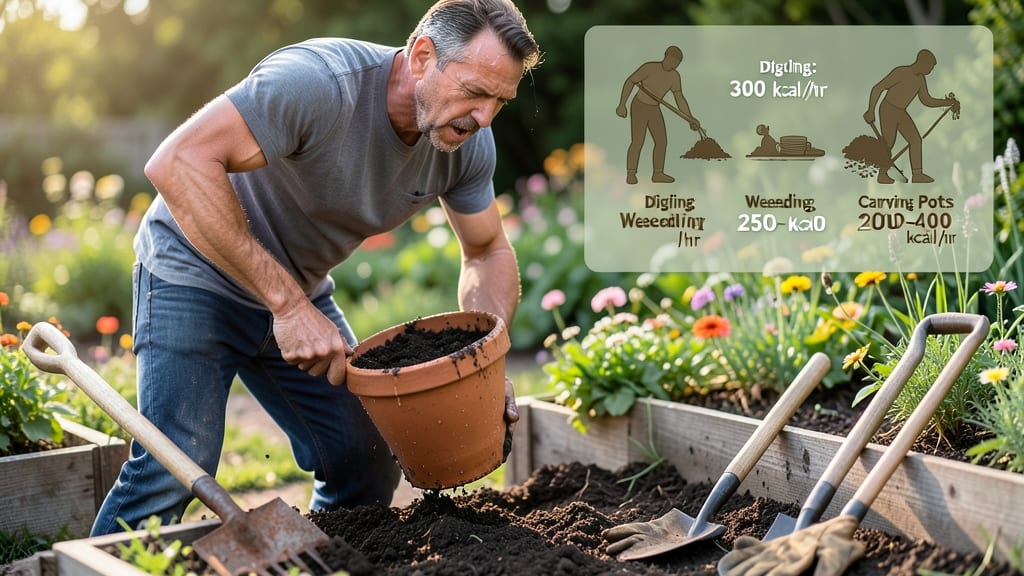
Gardening burns 150–400+ calories per hour, depending on the physical demands of your tasks. Light activities like weeding (150–200 calories) contrast sharply with heavy lifting or digging (350–400+ calories), while factors like body weight and terrain further influence your total. Even 30–60 minutes of gardening can easily count as moderate exercise.
Your garden time isn't just about growing plants—it's a surprisingly effective workout. 🌱 The calorie burn varies wildly based on what you're doing: shoveling soil or hauling mulch will torch more energy than trimming hedges or deadheading flowers.
I've noticed that even casual gardeners often hit their daily activity goals without realizing it—especially when tackling bigger projects like building raised beds or clearing overgrown areas.
For maximum results, combine strength-based tasks (like digging) with endurance work (like raking for extended periods), and don't underestimate the impact of uneven terrain or hilly yards, which can significantly boost your calorie expenditure.
What's particularly interesting is how gardening mimics structured exercise routines. A 150-pound person digging for 45 minutes burns roughly the same calories as a brisk walk—but with the added benefits of fresh air, sunlight exposure, and mental relaxation.
The key is consistency: even 20 minutes of focused gardening daily adds up to meaningful fitness over time. Just remember to pace yourself and use proper form to avoid injury while maximizing those calorie-burning benefits.
💡 In This Article
- How Gardening Tasks Affect Calorie Burn Rates
- Maximizing Calorie Burn in Your Garden Workout
How gardening tasks affect calorie burn rates
Gardening transforms your yard into a full-body workout, but the calorie burn varies dramatically depending on the task. Light activities like hand-weeding or pruning flowers engage mostly your arms and upper body, burning about 150–200 calories per hour for a 150-pound person.
This is comparable to a leisurely stroll but with added resistance from soil and plants. 🌿 Meanwhile, digging or shoveling soil engages your core, legs, and back, pushing calorie expenditure to 250–350 calories per hour—closer to moderate-intensity exercise like brisk walking.
The key difference lies in muscle engagement and resistance. Tasks requiring repetitive motion (raking, trimming) primarily work your arms and shoulders, while bending, lifting, and digging activate large muscle groups.
A 180-pound person might burn 30–40% more calories than someone weighing 120 pounds for the same task, as heavier individuals require more energy to move their body mass. Uneven terrain or hilly yards further increase calorie burn by 10–20% due to added effort in balance and elevation changes.
For comparison, gardening tasks stack up against structured exercises. Shoveling for 30 minutes burns roughly the same calories as a 20-minute jog, while planting seedlings or moving heavy pots (like 20–30 pounds) can match the intensity of light weightlifting.
The secret? Gardening combines cardio, strength, and flexibility in one session—something gym workouts often separate into different routines. 💪
Seasonal variations also play a role. Winter tasks like clearing snow or preparing soil for spring can be more labor-intensive, burning 5–10% more calories due to colder temperatures requiring extra energy to maintain body heat.
Conversely, summer gardening in hot climates might reduce intensity as you conserve energy to stay cool. Even small adjustments—like using a wheelbarrow instead of carrying bags of soil—can cut calorie burn by 15–20% by reducing the effort required for lifting.
Don't overlook the "hidden" calorie burners in gardening. Activities like bending to plant seeds or reaching to prune tall bushes engage your core and back muscles, adding resistance without you even realizing it. Over time, these small movements contribute significantly to your daily activity levels.
For example, spending 45 minutes on a mix of weeding, digging, and planting could easily meet the CDC's moderate exercise recommendation of 150 minutes per week—just by working in your garden a few times a week.
What most people don't realize is how posture and technique affect calorie burn. Slouching while weeding reduces muscle engagement, while maintaining proper form (kneeling with straight back, using leg strength to lift) can increase energy expenditure by 20–30%.
This is why gardening with ergonomic tools—like long-handled pruners or lightweight rakes—can actually help you burn more calories by encouraging better posture and reducing strain. 🌱