
Container Gardens
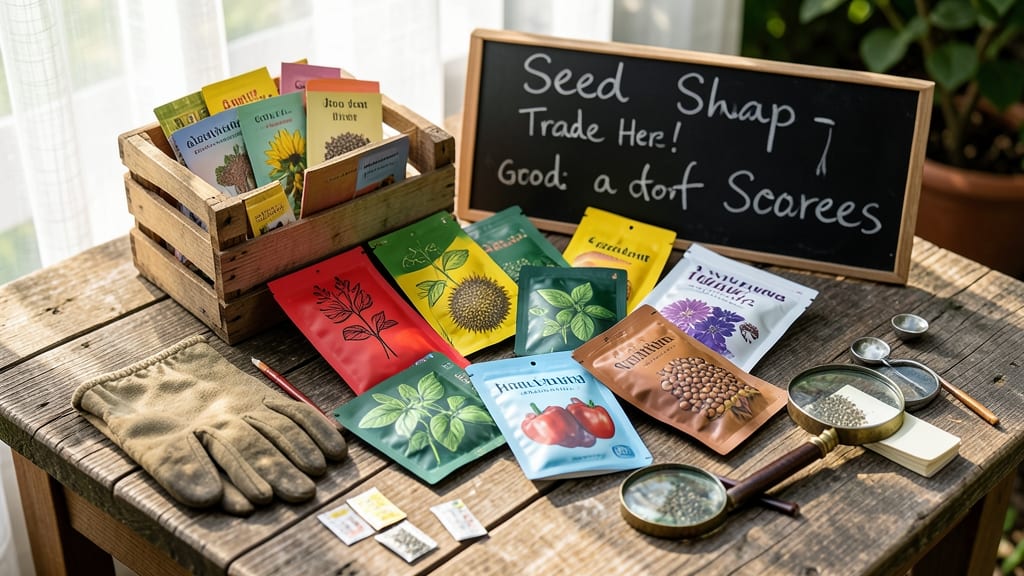
Trading seeds in Grow a Garden is absolutely possible—the app facilitates secure exchanges between gardeners, but you must adhere to its strict community guidelines to prevent illegal or invasive species from spreading. Always double-check seed legitimacy before completing any trade.
Grow a Garden makes seed trading straightforward by connecting gardeners who want to share rare varieties or surplus seeds, but the platform enforces rules to protect everyone. 🌱 The app prohibits trading restricted seeds (like certain heirlooms or invasive species) and requires verification to prevent scams. I’ve seen many successful trades for heirloom tomatoes and native wildflowers—just be transparent about seed sources and growing conditions.
For first-time traders, start by listing seeds with clear photos and honest descriptions of their origin. The community thrives on trust, so I recommend offering small samples first or trading with established members.
Always check regional restrictions—some states ban certain seeds entirely. The app’s reporting system helps maintain safety, so don’t hesitate to flag suspicious listings.
💡 In This Article
- Grow a Garden’s Seed Trading Rules and Restrictions
- Best Practices for Safe and Successful Seed Swaps
Grow a Garden’s seed trading rules and restrictions
Grow a Garden enforces strict seed trading rules to prevent the spread of invasive species and maintain legal compliance. The platform explicitly bans seeds from plants classified as invasive in any U.S. state, such as Asian carp or kudzu, which can devastate local ecosystems. These restrictions align with federal regulations like the Plant Protection Act, ensuring gardeners don’t accidentally introduce harmful species. The app’s verification system cross-checks seed listings against regional databases to flag prohibited varieties before trades are approved.
Seed authenticity is another critical focus. The app requires sellers to provide detailed growing conditions—like sunlight exposure and soil type—so buyers know what to expect. For example, a heirloom tomato seed listed as "grown in full sun" should produce fruit matching that description.
Without this transparency, trades risk involving mislabeled seeds, which can lead to poor germination rates or unexpected plant traits. I’ve seen cases where traders accidentally shared seeds from hybrid plants, which don’t reproduce true to type, causing frustration for buyers expecting heirloom varieties.
Regional bans add another layer of complexity. Some states, like California, restrict seeds from plants like Russian olive due to ecological concerns, while others may prohibit seeds from genetically modified organisms (GMOs) unless labeled.
The app’s system automatically blocks trades involving these seeds, but gardeners must still stay informed about local agriculture laws. For instance, trading seed potatoes may require additional permits in certain areas, even if the seeds themselves aren’t restricted.
Reporting violations is easy within the app. If you spot a suspicious listing—like seeds from an invasive plant or a trader refusing to disclose growing conditions—you can flag it through the platform’s built-in system. Moderators review reports within 24-48 hours, and repeat offenders face account suspension.
This system has helped maintain trust in the community, especially for rare seeds like Black Krim tomatoes or Blue Lake bush beans, where authenticity matters most.
Legal risks extend beyond ecology. Trading seeds without proper documentation can violate USDA regulations or state seed laws, particularly for commercial quantities. The app’s guidelines emphasize that all trades must be for personal, non-commercial use only.
For example, selling seeds to resell—even in small amounts—could trigger legal consequences. Always assume your trades are being monitored, as the app’s algorithms scan for patterns that might indicate commercial activity.