
Fertilization
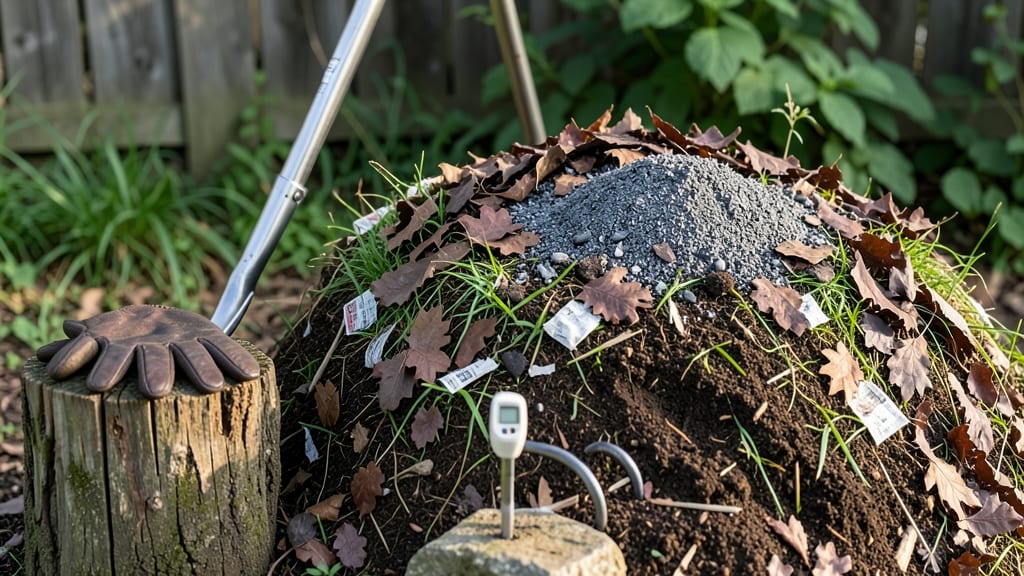
You can use charcoal ashes in your garden to adjust soil pH, deter weeds, and enhance drainage—but only in carefully measured amounts from natural, untreated charcoal. Overuse disrupts soil microbes and may harm plants.
Charcoal ashes work differently than wood ash because they're less alkaline, making them safer for soil chemistry. 🌱 The porous structure helps break down organic matter while absorbing excess moisture, which explains why gardeners swear by them for sandy or compacted soil.
For best results, mix no more than 1/4 cup per square yard into the topsoil, and always test your soil first—especially if you have acid-loving plants like blueberries or azaleas.
Unlike wood ash, which can raise pH dramatically, charcoal ash provides a gentler adjustment while adding trace minerals. I’ve found it particularly effective around vegetable beds, where it helps prevent fungal diseases by keeping the soil slightly drier.
Just remember: never use charcoal from treated grills or fire pits, as chemicals can leach into your garden.
💡 In This Article
- How Charcoal Ashes Affect Soil Chemistry and Plant Growth
- Safe Application Methods for Charcoal Ashes in Gardens
How charcoal ashes affect soil chemistry and plant growth
Charcoal ashes act as a soil amendment with unique properties compared to wood ash. Unlike wood ash—which contains high levels of potassium and calcium and can raise soil pH dramatically—charcoal ash has a more neutral alkaline effect, typically raising pH by 0.5-1.5 units per application.
This gentler adjustment is due to its lower calcium carbonate content and higher carbon composition, which creates a porous structure that improves soil aeration and water retention. The porous nature also helps absorb excess salts and heavy metals, making it particularly useful in urban or contaminated soils.
The science behind its benefits lies in its cation exchange capacity (CEC), which is lower than wood ash but still valuable. Charcoal ash binds to soil particles and holds nutrients like magnesium and phosphorus more effectively than plain soil, preventing them from leaching away.
This is why gardeners notice healthier root development in plants like tomatoes or peppers after application. However, the real magic happens in the microbial world: the porous charcoal provides a habitat for beneficial bacteria and fungi, which break down organic matter more efficiently. 🌱
One critical factor is the carbon-to-nitrogen (C:N) ratio of charcoal ash, which sits around 100:1—much higher than wood ash. This means it decomposes slowly, providing long-term benefits rather than a quick nutrient boost.
Over time, it helps create a more stable soil structure, reducing compaction and improving drainage in heavy clay soils. But here’s the catch: while it’s great for most plants, acid-loving species like blueberries or hydrangeas may struggle, as even a slight pH increase can inhibit their growth.
Charcoal ash also acts as a natural weed suppressant by creating a slightly alkaline environment that many weeds dislike. The fine, gritty texture disrupts weed seeds’ ability to germinate, similar to how diatomaceous earth works but without the toxicity.
However, this effect is temporary—typically lasting 3-6 months—so reapplication is needed for long-term weed control. The key is balance: too much can create a hostile environment for even beneficial plants, while the right amount enhances soil health without harm.
For those wondering about safety, untreated charcoal ash is generally non-toxic to plants and soil organisms, unlike wood ash which can burn plants if applied too heavily. The porous structure also helps detoxify soils by binding to harmful compounds like pesticides or excess phosphorus.
But always test your soil first—especially if you’re growing acid-loving crops. A simple pH test kit (costing around $10) can save you from overcorrecting your soil chemistry.
What most gardeners don’t realize is that charcoal ash’s benefits extend beyond chemistry. The dark, crumbly texture improves soil tilth, making it easier to work with—almost like adding a natural soil conditioner.
I’ve seen it transform compacted garden beds into loose, friable soil within a few weeks, making it a favorite for vegetable growers. Just remember: less is more. Start with small amounts and monitor your plants’ response.