
Companion Plants
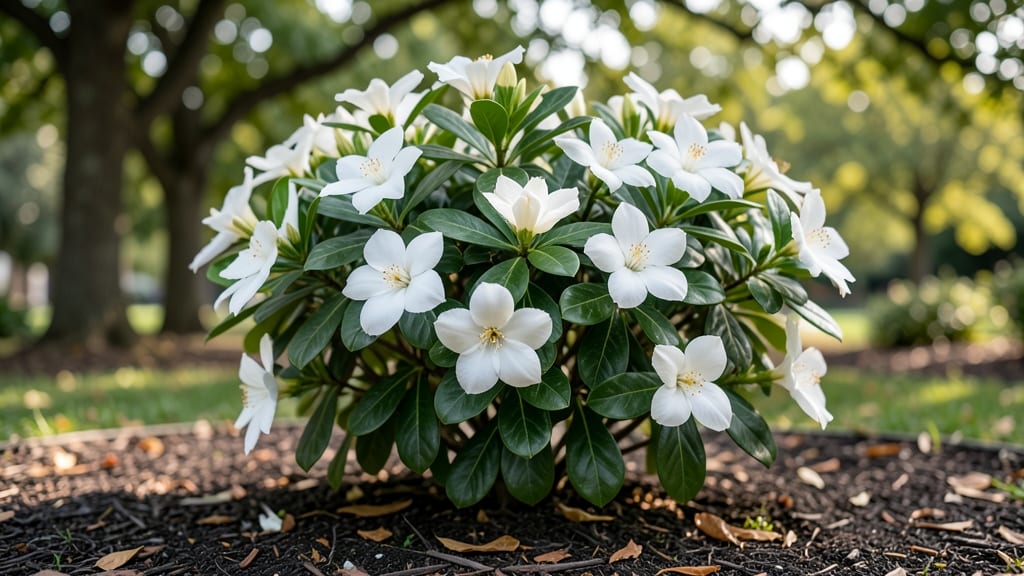
Gardenias smell exceptionally good, producing a rich, creamy, and intoxicating floral scent that many describe as sweet and tropical. Their fragrance is most intense in evening hours and can linger in the air for hours, making them a prized garden addition for sensory appeal.
If you love flowers that fill the air with intoxicating perfume, gardenias are among the best choices. 🌸 Their signature aroma—often compared to a blend of jasmine and tuberose—comes from natural compounds like linalool and benzyl acetate, which create that signature creamy sweetness.
What sets them apart is how their scent peaks at dusk, creating a magical evening ambiance that many gardeners swear by. The right variety can make all the difference—some, like 'Veitchii,' are legendary for their powerful fragrance, while others offer milder but equally delightful scents.
To get the most out of their aroma, plant them in well-draining soil with partial shade and consistent moisture. Pruning after blooming helps encourage more fragrant flowers next season.
I’ve found that even a single gardenia bush can transform a patio or balcony into a fragrant retreat—just be prepared for neighbors to ask what you’re growing!
💡 In This Article
- Why Gardenia Fragrance Stands Out Among Flowers
- Top Gardenia Varieties for Strongest and Longest-Lasting Scents
Why gardenia fragrance stands out among flowers
Gardenias produce their signature scent through a complex mix of volatile organic compounds (VOCs), with linalool and benzyl acetate being the primary players. These compounds create that creamy, tropical aroma that’s both sweet and slightly heavy—unlike lighter floral notes like roses or lilacs.
The scent intensity peaks at dusk because cooler evening temperatures slow the evaporation of these compounds, allowing them to linger longer in the air. 🌙 This is why gardenias are often called "evening flowers"—their fragrance becomes most potent when the sun sets.
The creamy texture of gardenia scent comes from its high concentration of benzyl acetate, which also gives jasmine its signature note but in gardenias, it’s amplified by additional compounds like geraniol and phenethyl alcohol. These create a layered aroma that’s richer than single-note flowers.
For comparison, a gardenia’s fragrance contains about 30% more linalool than jasmine, contributing to its heavier, almost velvety quality. This is why gardenias often smell "more substantial" than other tropical flowers.
Humidity plays a surprising role too. Gardenias thrive in 60-70% humidity, which helps their scent molecules disperse more evenly. In dry air, the fragrance becomes concentrated around the blooms, while in humid conditions, it spreads like a gentle mist.
This is why gardenias in coastal climates or greenhouses often smell even stronger—their natural environment mimics ideal humidity levels for scent diffusion. 💧
Another key factor is the flower’s wax-coated petals, which slow the release of scent molecules. Unlike roses that release fragrance quickly, gardenias act like slow-release perfume capsules.
This is why their aroma can linger for hours after the flowers are picked, making them popular in potpourri and floral arrangements. The wax also protects the delicate blooms from excessive evaporation, preserving both their appearance and scent.
For gardeners, this means strategic placement matters. Planting gardenias near seating areas or walkways ensures their evening fragrance becomes part of your daily routine. The scent’s intensity can also be enhanced by light pruning after blooming, which encourages more fragrant flowers in subsequent seasons.
Even a single well-cared-for bush can create a 10-foot radius of intoxicating aroma on a warm summer evening.
What’s fascinating is how gardenias "compete" with other flowers in mixed plantings. Their heavy scent often overpowers lighter flowers like petunias or impatiens, which is why they’re best planted as focal points rather than fillers.
This dominance is both a strength and a consideration—if you love their fragrance, give them space to shine! 🌿