
Light Requirements
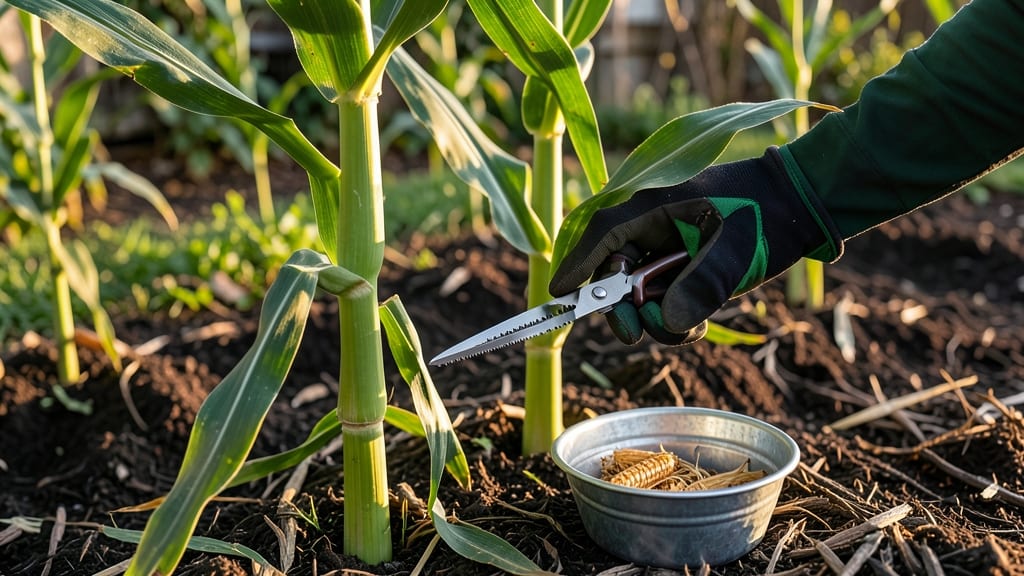
You do I need to detassel corn in your garden isn’t always necessary—it’s only critical if you’re growing sweet corn for seed production or avoiding cross-pollination with field corn varieties. For most home gardeners growing corn for fresh eating or heirloom varieties, natural pollination works perfectly well.
Do I need to detassel corn in my garden? Removing the tassels (male flowers) from corn plants is essential when saving seeds from sweet corn varieties. 🌽 However, this process is time-consuming and often unnecessary for home gardeners focused on eating ears. Many popular varieties like 'Silver Queen' or 'Butter & Sugar' produce excellent ears without detasseling, as their natural pollination rates are high enough for a bountiful harvest.
What makes this decision easier is understanding your goals: if you're growing corn primarily for fresh consumption, skip detasseling entirely. The only time it becomes important is when you're working with specific seed-saving projects or growing near field corn varieties that could cross-pollinate.
Even then, some gardeners use alternative methods like strategic spacing or hand-pollination to achieve similar results with less effort.
💡 In This Article
- Why Detasseling Corn Matters for Seed Production
- When to Skip Detasseling in Home Gardens
Why detasseling corn matters for seed production
Detasseling—removing the male tassels from corn plants—is a critical step for seed production in sweet corn varieties because it prevents self-pollination. Sweet corn is genetically modified to produce ears with high sugar content, but this trait is recessive.
When pollen from the tassels fertilizes the same plant's silks, the resulting seeds produce ears with lower sugar levels (starchy rather than sweet). This process ensures the genetic purity of the seeds you save for future planting.
The science behind this involves the plant's reproductive biology. Corn is monoecious, meaning each plant produces both male (tassels) and female (silks) flowers. The tassels release pollen that must fertilize the silks on other plants to maintain hybrid vigor.
Without detasseling, self-pollination occurs, diluting the desirable traits of sweet corn varieties. For example, varieties like 'Peaches and Cream' or 'Country Gentleman' require detasseling to preserve their sweetness and texture in saved seeds. 🌱
Detasseling also becomes essential when growing near field corn varieties, which are typically starchy and bred for animal feed or ethanol production. Field corn pollen can cross-pollinate sweet corn, resulting in ears that lack the sweet flavor and tender texture home gardeners love.
This cross-pollination can happen within a 250-foot radius, making detasseling a practical solution for gardeners in agricultural areas.
Another key factor is ear development. The female inflorescence (silks) emerges from the ear shank and must be pollinated within 24 hours to ensure proper fertilization. If self-pollination occurs, the resulting kernels may appear shriveled or underdeveloped.
For seed production, detasseling creates a controlled environment where pollen from selected plants can be manually applied, ensuring consistent quality in the next generation of plants.
However, detasseling isn't always straightforward. It requires precise timing—typically when the tassels are halfway to full emergence but before pollen is released. Missing this window means either incomplete removal or premature pollen shed.
The process can also be labor-intensive, especially in large gardens, as each plant must be inspected and manually detasseled with gloves or pruners. 🌾
For those committed to seed saving, detasseling is non-negotiable, but it's worth noting that even with this step, some gardeners still face challenges like poor pollen transfer or environmental factors like wind or rain, which can reduce pollination success.