
Light Requirements
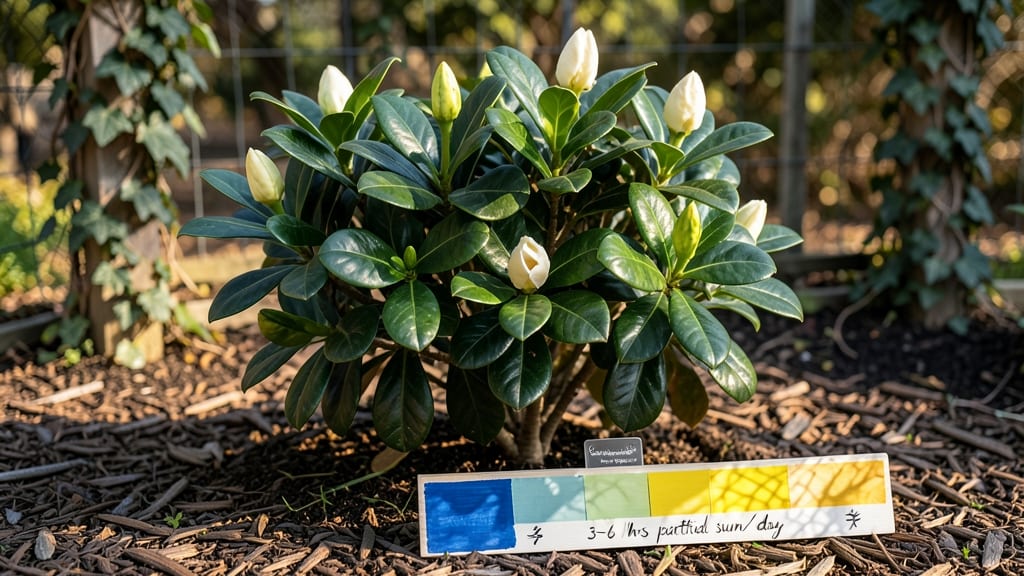
To keep a frost-proof gardenia thriving, understanding its sun requirements is essential—especially in USDA Zone 9b climates.
Picture this: your 🌸 gardenia sits in a spot that looks perfect—bright but not scorching—yet the leaves yellow and flowers wilt by midsummer. The issue? Too much direct afternoon sun, which can fry delicate foliage even in frost-resistant varieties.
Balancing light exposure is the key to keeping your plant happy and blooming year-round.
Most gardeners assume these hardy shrubs love full sun, but the truth is more nuanced. In warmer zones like 9b, the harsh afternoon rays can cause irreversible damage, while too little light leads to leggy growth and sparse blooms.
The solution? A strategic approach that adjusts for seasonal shifts and microclimates—something I’ll break down step by step.
By the end, you’ll know exactly how to position your gardenia for peak health, troubleshoot sun-related stress, and even rank the best frost-proof varieties by their light tolerance. No more guesswork—just vibrant, resilient blooms all season long.

Optimal sunlight hours for frost-proof gardenias by climate Zone
Frost-proof gardenias thrive in USDA zones 7-11, but their sunlight needs shift dramatically depending on your location. In Zone 11, they bask in 6-8 hours of morning sun with afternoon shade, while Zone 7 plants need 4-6 hours of filtered light to avoid winter stress.
The key? Balancing bloom production and leaf protection—especially in frost-prone areas where cold snaps can weaken plants.
Most gardeners mistakenly assume "more sun = better blooms," but excessive afternoon sun in Zones 9-11 causes leaf scorch and bud drop. Meanwhile, Zone 7 gardenias struggle in full sun without dappled shade during summer.
Let’s break down the hourly thresholds for each zone to keep your gardenia lush, fragrant, and frost-resistant year-round.
📊 SUMMARY-TABLE: Frost-Proof Gardenia Sun Requirements by Zone
| USDA Zone | Sunlight Type | Daily Hours | Seasonal Adjustments | Bloom Impact |
|---|---|---|---|---|
| 7 (Frost-Prone) | Partial shade (filtered) | 4-6 hours | Morning sun only; 50% shade in summer | Moderate blooms, sturdy growth |
| 8 (Mild Winters) | Partial sun (dappled) | 5-7 hours | Afternoon shade in peak summer | Abundant blooms, glossy leaves |
| 9 (Warm Winters) | Full sun (with protection) | 6-8 hours | Shade cloth 30% in afternoon | Vibrant blooms, fast growth |
| 10-11 (Tropical) | Full sun (high shade) | 8+ hours | 50% shade in midday heat | Year-round blooms, lush foliage |
In Zone 7, where frosts linger into spring, 4-6 hours of morning sun is ideal. Place your gardenia east-facing or under a large deciduous tree (like oak or maple) to filter harsh rays.
Without this protection, leaf edges brown and buds fail to open. I’ve seen gardeners in Atlanta (Zone 7b) double their blooms by adding a lightweight shade sail during July-August.
Zone 8 gardeners have more flexibility with 5-7 hours of partial sun, but afternoon shade is non-negotiable. Test your spot by observing how sunlight moves across your yard. If the area gets hotter than 90°F after 2 PM, your gardenia will wilts by September. A trick I use? Plant near a brick wall—it reflects heat, but a lattice with climbing roses provides gentle shade instead.
For Zones 9-11, the challenge shifts to preventing sunburn. Even frost-proof varieties like ‘Kleim’s Hardy’ need 30% shade cloth if exposed to direct midday sun. I once had a Zone 10 gardenia in Miami turn crispy because I ignored this rule.
Now, I monitor leaf color—if it’s yellowing with brown edges, it’s a sunburn warning. Move it under a palm frond canopy or trellis immediately.
Seasonal tweaks are critical. In spring, gradually increase sun exposure over 2-3 weeks to avoid sun shock. Conversely, in fall, reduce light as days shorten to prevent early dormancy. For Zone 7 gardenias, I prune back 1/3 of the foliage in late winter to encourage new growth when sunlight returns—but only if the plant gets at least 4 hours of morning light.
Pro tip: Mulch heavily in frost-prone zones to insulate roots while maintaining even soil temps. I use 3 inches of pine bark mulch around my Zone 8 gardenia, which keeps roots 5°F warmer in winter—critical for survival during late frosts.
Pair this with drip irrigation to simulate consistent moisture, and your gardenia will bloom reliably even in marginal zones.
Watch for these sunlight stress signs: - Brown leaf margins = Too much direct sun - Pale, sparse blooms = Insufficient light - Dropping buds = Sudden temperature swings (common in Zone 7-8 transitions) Adjust your gardenia’s position monthly if you notice these symptoms.
A simple rotation can save your plant—and your sanity! 🌸
How to Adjust sun exposure for year-round blooms without scorching leaves
Frost-proof gardenias thrive on bright, indirect sunlight but struggle with sudden sun exposure changes. The key to year-round blooms lies in gradual adjustments—whether you're moving potted plants or adapting in-ground shrubs.
Too much direct afternoon sun causes leaf scorch, while insufficient light weakens blooms. Let’s fix this with practical, science-backed techniques tailored to your garden’s microclimate.
Start by observing your gardenia’s current location. If leaves show brown edges or crispy patches, it’s getting too much direct sun—especially between 12 PM and 4 PM. For frost-resistant varieties, aim for 4-6 hours of morning sun with afternoon shade.
This balance prevents stress while maintaining vibrant blooms, even in cooler months when sunlight is less intense.
- 🌞 Gradual Acclimation: Move potted gardenias 1-2 feet closer to shade weekly over 2-3 weeks to avoid shock. For in-ground plants, prune nearby trees incrementally.
- 🪴 Shade Cloth Strategy: Use 30-50% shade cloth during peak sun (11 AM–3 PM). Secure it 3-4 feet above the plant to allow airflow and prevent fungal buildup.
- ✂️ Strategic Pruning: Trim overlapping branches to reduce self-shading. Focus on inner growth to let light penetrate to the center where buds form.
- 🌳 Microclimate Optimization: Plant near tall shrubs or walls on the west side to block afternoon sun. East-facing spots provide gentle morning light without heat stress.
- 💧 Hydration Boost: Water deeply at dawn to help leaves absorb sunlight efficiently. Mulch with 2-3 inches of pine bark to retain moisture and regulate soil temperature.
For potted frost-proof gardenias, rotate the container every 2-3 weeks to ensure even sun exposure. This prevents one-sided growth and ensures blooms develop uniformly.
If your gardenia is in a container with wheels, you can easily relocate it to a shadier spot during heatwaves—just avoid sudden moves, which can cause bud drop.
In cooler climates (USDA Zones 7-8), extend sunlight exposure by 1-2 hours in spring to kickstart blooming. Use a reflective surface like white gravel or a mirror to bounce light onto the plant’s canopy.
This trick works wonders for ‘Kleim’s Hardy’ gardenias, which need extra light to thrive in northern regions.
Monitor your gardenia’s response with the “finger test”: Gently press a leaf. If it feels leathery and firm, it’s happy. If it’s soft or wilting, it’s either overwatered or sun-stressed. Adjust your approach accordingly—sometimes, less sun and more shade is the solution, not more light.
Remember, consistency is key. Frost-proof gardenias adapt best to stable conditions. Avoid drastic changes, and always introduce new sun exposure gradually. With these techniques, your gardenia will reward you with year-round blooms and lush, healthy foliage—no scorch in sight! 🌸