
Tools
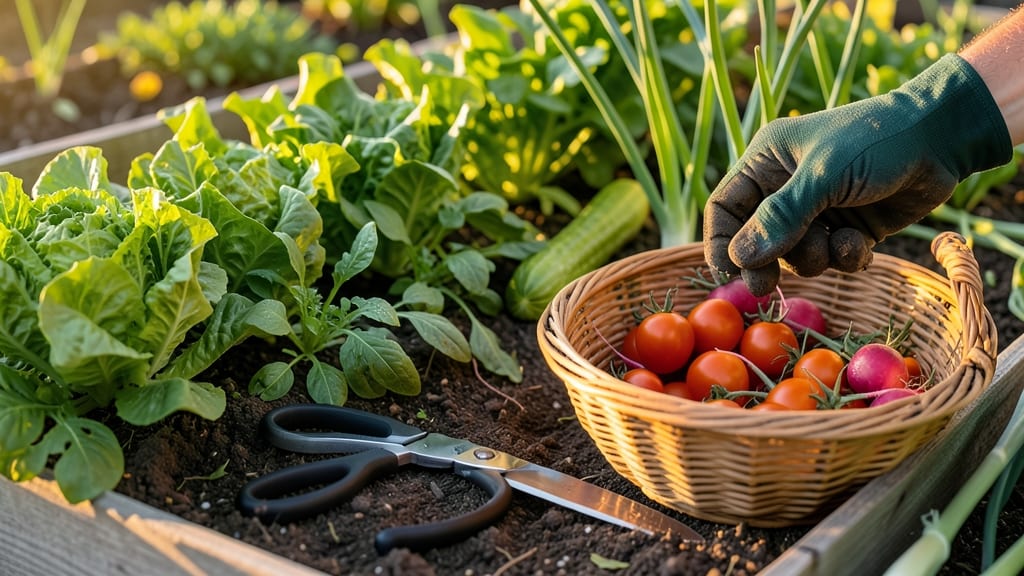
A garden fresh salad thrives on harvesting young leaves, tender herbs, and crisp vegetables at their peak—then combining them with contrasting textures and bold flavors for a dish that bursts with color and nutrition. The secret lies in pairing delicate greens with sharp herbs and crunchy toppings like radishes or cucumbers.
This approach isn't just about freshness—it's about creating a sensory experience. 🌿 The key is timing: harvest greens like butter lettuce or arugula in the cool morning hours when they're most hydrated, and add herbs like basil or cilantro right before serving to preserve their aromatic oils.
For that signature crunch, I always include thinly sliced radishes or shredded carrots, which hold their texture better than store-bought alternatives. What sets homegrown salads apart is how you can control every element—from soil quality to harvest timing—resulting in flavors that store-bought mixes simply can't match.
The assembly process matters just as much as the ingredients. Start with the largest leaves as your base, then layer in smaller greens and herbs to create visual depth. A quick rinse in cold water (never soaking) keeps everything crisp, and a light dressing tossed just before serving prevents sogginess.
I've found that pairing this with homemade vinaigrettes—made with fresh herbs and a touch of honey—elevates the dish from simple to extraordinary.
💡 In This Article
- Selecting the Best Garden-Grown Salad Ingredients
- Step-by-Step Salad Assembly for Perfect Crunch
Selecting the best garden-grown salad ingredients
Leafy greens like butter lettuce, spinach, and arugula reach their peak flavor when harvested in the early morning, when their water content is highest and their natural sugars haven't yet converted to starch under the sun.
The ideal time to pick is just after dew has evaporated but before temperatures rise above 75°F, as heat causes bitterness to develop. Look for leaves that are bright green with firm stems—avoid any with yellowing edges or wilted spots, as these indicate stress or overripeness.
Herbs like basil, cilantro, and parsley should be harvested just before their flowers bloom, as this is when their essential oils (which carry flavor) are most concentrated. For example, basil leaves picked before flowering retain their sweet, anise-like aroma, while overmature leaves taste bitter.
Root vegetables such as radishes and carrots should be harvested when they reach 1-2 inches in diameter for optimal crunch—larger roots become fibrous and lose their crisp texture. 🌱
Texture is your best indicator of freshness. Young leaves should feel tender yet slightly resistant to crushing, while herbs should snap easily when pulled from the stem. Root vegetables should have a firm bite, not a mushy give.
The color of leaves should be vibrant, not dull or spotted, and stems should be crisp rather than rubbery. For instance, arugula with purple-tinged leaves is more flavorful than all-green varieties, thanks to higher levels of glucosinolates, which add a peppery kick.
Timing your harvest is crucial for flavor retention. For example, lettuce harvested in the late afternoon loses up to 30% of its crispness by the next morning due to transpiration.
Store greens in an airtight container lined with a damp paper towel to slow moisture loss, and keep them in the refrigerator's crisper drawer where humidity levels are highest.
Herbs, however, should be stored stem-down in a glass of water (like cut flowers) to maintain their freshness for up to a week.
Another pro tip: Avoid washing greens until just before assembly. Excess moisture speeds up oxidation, which causes browning and loss of crispness. Instead, rinse leaves under cold water for 10-15 seconds and pat them dry with a salad spinner or clean towel.
This simple step preserves their vibrant color and crunch for hours longer than pre-washed store-bought greens.
For root vegetables, peel them just before using to prevent them from drying out. Radishes, for example, should be sliced paper-thin (about 1/8-inch) for maximum crunch, while carrots hold up better when julienned into matchsticks.
The key is to balance textures—pairing delicate greens with crisp radishes or chewy cucumber slices creates a satisfying contrast that keeps every bite exciting. 💫