
Tools
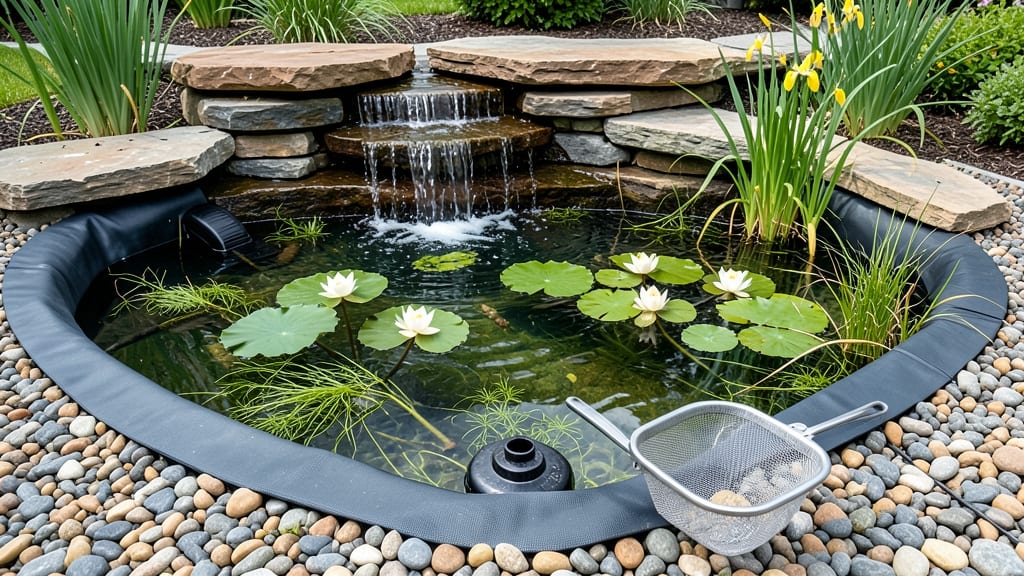
Creating a garden pond waterfall involves careful planning: slope the terrain gradually, install a waterproof liner at the base, and use flexible tubing or preformed channels to direct water flow smoothly. Arrange rocks thoughtfully to form natural tiers, prevent soil erosion, and ensure proper drainage while sizing your pump correctly for steady water movement.
Designing a garden pond waterfall isn't just about aesthetics—it's about creating a functional ecosystem.
The slope of your terrain determines how water cascades naturally, while the right rocks create visual interest and structural support. Flexible tubing lets you adjust flow paths easily, and a properly sized pump ensures your waterfall runs smoothly without energy waste.
I always recommend testing your pump's capacity before finalizing the design, as this directly impacts both the waterfall's height and its visual impact.
One common mistake is underestimating the importance of drainage. Without proper outlets, water can pool at the base, leading to erosion or even liner damage over time. Waterproof liners are non-negotiable—they protect your pond's integrity and prevent leaks that could disrupt the entire system.
For beginners, starting with a preformed waterfall kit can simplify the process while still delivering professional results. 💫
💡 In This Article
- Key Design Principles for a Natural-Looking Pond Waterfall
- Step-by-Step Construction Guide for Beginners
Key design principles for a natural-looking pond waterfall
The foundation of any stunning pond waterfall starts with the terrain slope, which should mimic natural water flow patterns. Aim for a gradient between 1:3 to 1:5 (1 unit vertical drop for every 3-5 units horizontal distance) to create a gentle cascade that looks organic rather than forced.
Steeper slopes (1:2 or less) can cause erosion and create a more aggressive, less natural appearance. The key is to observe how water naturally flows in your yard—follow existing contours rather than fighting them.
Rock placement transforms a functional water feature into a breathtaking landscape element. Use layered rocks of varying sizes (from 12-24 inches in diameter) to create natural tiers that slow water flow and prevent erosion.
Flat rocks placed horizontally act as "steps" for the water to cascade over, while larger boulders at the base provide stability. The spacing between rocks should allow water to flow smoothly—typically 2-4 inches between edges—while still creating visual interest through negative space. 🌊
Water velocity is another critical factor that affects both aesthetics and functionality. The ideal flow rate depends on your waterfall's height: for every 1 foot of drop, aim for 1-2 gallons per minute (GPM) of flow.
Too fast (3+ GPM/foot) creates a chaotic, unnatural look, while too slow (0.5 GPM/foot) may not mask the sound of the pump. This balance ensures your waterfall has a soothing, rhythmic sound while maintaining visual appeal.
Consider adding a small skimmer or weir at the top to prevent debris buildup that could disrupt flow.
Integrating your waterfall with the pond ecosystem requires thoughtful planning. Place rocks near the waterfall's base to create oxygenating zones where water aerates naturally, supporting fish and aquatic plants. For ponds with fish, ensure the waterfall's flow doesn't create dead zones where waste could accumulate.
A submersible pump (1000-2000 GPH) typically handles most small-to-medium waterfalls (2-4 feet high) while maintaining proper circulation. The pump should be placed at the pond's deepest point to maximize water pressure at the waterfall's top.
Drainage is often overlooked but crucial for long-term success. Install a gravel layer (2-3 inches) beneath the liner at the waterfall's base to prevent water pooling, which can cause liner stress or erosion.
For larger installations, consider a French drain system with perforated pipe to redirect excess water away from the pond. This simple addition can extend your waterfall's lifespan by decades.
The liner itself should extend 6-12 inches up the waterfall's sides to prevent water from seeping behind rocks and causing damage over time. 💧
For maximum visual impact, incorporate native plants around the waterfall's base. Marginal plants like cattails or water lilies soften the rock edges while providing habitat for beneficial insects. The plants' roots also help stabilize the soil, reducing erosion.
Remember that waterfalls create microclimates—moisture-loving plants will thrive where others might struggle. This natural integration makes your waterfall feel like a seamless part of the landscape rather than an added feature.