
How To
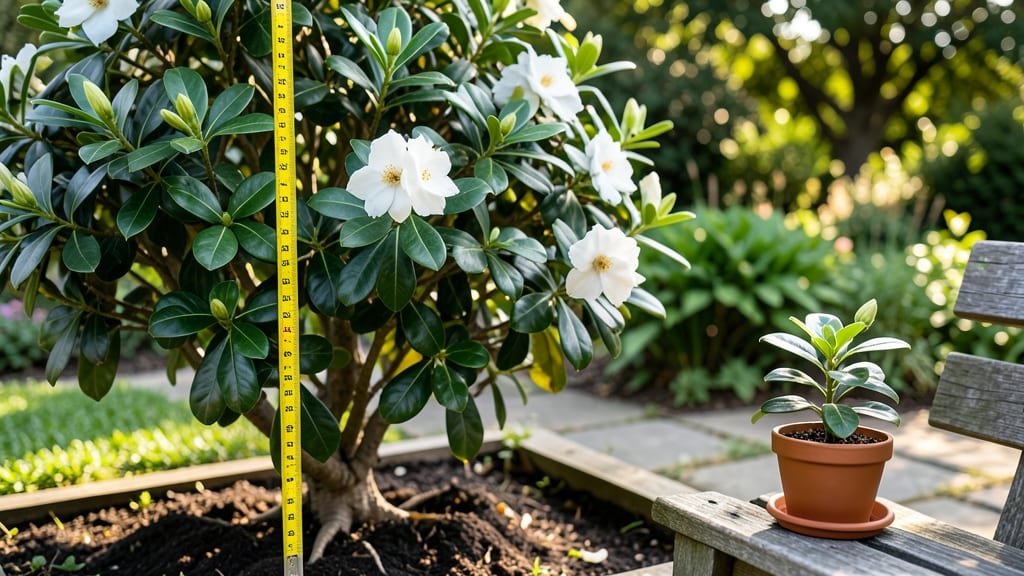
How tall can gardenia grow? Depending on the variety, these fragrant shrubs can reach heights of 3 to 6 feet, transforming your garden into a lush, intoxicating paradise 🌸.
If you’ve ever dreamed of a fragrant garden filled with velvety gardenias, you might be wondering how much vertical space these tropical beauties will need—because some varieties can reach heights that will surprise you!
From compact dwarf varieties that stay under 2 feet to towering shrubs that stretch toward 6 feet, gardenias offer options for every garden layout. The key to managing their height lies in understanding their natural growth patterns and how to prune them effectively.
In this guide, you’ll discover the mature sizes of popular gardenia types, how to control their growth, and the simple care tips that keep them thriving—so you can plan your garden with confidence and enjoy their intoxicating blooms year after year.


Gardenia height variations by variety: from compact bushes to towering shrubs
If you're planning your garden layout or dreaming of fragrant gardenias spilling over trellises, knowing how tall each variety grows is essential. Gardenias come in stunning diversity—from tiny dwarf varieties perfect for containers to climbing types that can reach small tree heights.
The Gardenia jasminoides, the most common species, alone offers options from 1-foot mounds to 6-foot shrubs, making them versatile for any space.
Your gardenia's eventual height depends on its variety, pruning habits, and growing conditions. For example, Gardenia radicans, the climbing gardenia, can stretch up to 15 feet when supported, while Gardenia augusta stays compact at just 2-3 feet.
Understanding these differences helps you choose the perfect variety for your space and care needs.
Let's explore the height variations across popular gardenia varieties, including their mature sizes, growth habits, and care considerations to keep them thriving at their ideal height.
For compact varieties like Gardenia augusta or dwarf gardenias, spacing them 2-3 feet apart ensures they don't compete for nutrients while filling out beautifully. These smaller types are ideal for container gardening or border plantings, where their 1-3 foot height adds texture without overwhelming the space.
On the other hand, tall gardenias like Gardenia jasminoides 'Fortuniana' or climbing types need more room. Plant these 6-8 feet apart or provide sturdy trellis supports to guide their growth. Without proper spacing, they can become overcrowded, leading to fewer blooms and increased susceptibility to pests and diseases.
Pruning plays a crucial role in managing gardenia height. For standard shrubs, prune right after flowering to encourage bushier growth and prevent legginess.
Use clean, sharp shears to make cuts just above a leaf node, and avoid over-pruning, which can reduce blooming. Climbing varieties like Gardenia radicans need regular training to control their spread and direct them along supports.
Light exposure also affects height. Gardenias thrive in partial shade, especially in hot climates, where too much direct sun can stunt growth. If you notice your gardenia growing too tall and leggy, it might be reaching for more light.
Move it to a sunnier spot or provide dappled shade to encourage a more compact form.
Soil acidity is another key factor. Gardenias prefer acidic soil (pH 5.0-6.5). If your soil is alkaline, amend it with peat moss or sulfur to keep the pH in the ideal range. Well-draining, rich organic soil promotes healthier
How to control gardenia height: pruning, training, and growth habits explained
If your gardenia is reaching for the sky faster than you planned, don’t worry—you’re not alone! These tropical shrubs can grow 3 to 6 feet tall if left unchecked, but with the right techniques, you can shape them into a neat, manageable size.
The key lies in understanding pruning timing, growth habits, and how to adjust care to encourage compact growth.
For most gardenia varieties like Gardenia jasminoides, growth happens in spring and summer, making late winter or early spring the ideal time to prune.
This timing ensures you remove unwanted growth before new shoots emerge, keeping your plant healthy and proportionate. But timing isn’t everything—how you prune also matters.
Here’s a step-by-step guide to managing your gardenia’s height while keeping it blooming beautifully:
Use clean, sharp pruning shears to avoid damaging branches. Disinfect tools with rubbing alcohol to prevent disease spread.
Cut back overgrown branches by 1/3 of their length to encourage bushier growth. Remove dead or crossing branches first.
If growing Gardenia radicans (a climbing type), use a trellis or stake to guide growth. Prune suckers at the base to focus energy upward.
Use a low-nitrogen fertilizer (8-4-8) to limit rapid growth. Over-fertilizing with nitrogen can make gardenias taller but leggier.
Too much direct sunlight can stress gardenias, causing stunted growth. Provide morning sun and afternoon shade, and water deeply but avoid soggy soil.
Light pruning in late summer can remove spent blooms and encourage a second flush of flowers while keeping height in check.
Remember, gardenias respond well to gentle pruning—never remove more than 1/3 of the plant at once. Over-pruning can stress the plant and reduce flowering.
If you’re growing a dwarf variety, like Gardenia augusta ‘Kleim’s Hardy’, you’ll have even more control, as these typically stay under 2 feet tall.
With patience and the right techniques, you can keep your gardenia at your desired height while enjoying its intoxicating fragrance and lush foliage. Happy pruning! 🌸