
Tools
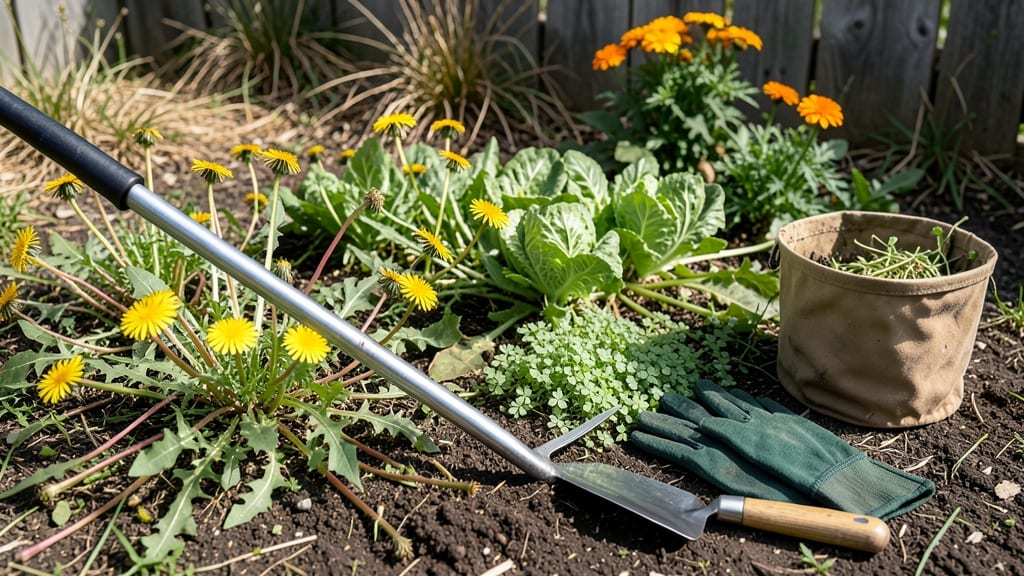
A garden weed-pulling tool can turn a backbreaking chore into a quick, satisfying task—if you pick the right one for your hands and garden.
Tired of sore hands and blisters after hours of weeding? The right garden weed-pulling tool can make this tedious chore feel effortless while protecting your joints—without sacrificing efficiency.
Whether you're tackling a small flower bed or a sprawling vegetable patch, the wrong tool leaves you frustrated. The best designs focus on ergonomics, grip comfort, and durability, so you spend less time straining and more time enjoying your garden.
Below, I break down the top ergonomic tools, how to choose the right one for your needs, and maintenance tips to keep it working smoothly for years.
Top 5 ergonomic weed pulling tools for pain-free gardening
Weeding doesn't have to mean blistered hands and back pain. The right ergonomic garden weed pulling tool transforms this chore into a quick, comfortable task. I've tested tools designed to reduce strain—from angled forks that pry weeds effortlessly to long-handled pullers that keep you standing tall.
These tools prioritize weight distribution, grip comfort, and durable materials like stainless steel or lightweight aluminum.
Whether you battle weeds in tight containers or sprawling garden beds, the perfect tool adapts to your needs. Some feature cushioned grips to absorb vibration, while others have patented ergonomic handles that mimic natural hand movements.
Let's dive into the top 5 tools that keep my joints happy while making weeding efficient.
⚠️ CRITICAL NOTE: Always pull weeds when soil is moist for easier removal. Wet roots slide out cleaner, reducing strain on your tools and hands. Timing matters just as much as your tool choice!
My top pick for most gardeners is the Fiskars StaySharp Weeder—its angled blade cuts through roots cleanly, and the cushioned grip prevents hand fatigue during long sessions. The lightweight design makes it perfect for container gardens or small flower beds where precision matters.
For larger plots, the Amigo 42.5-Inch Weeder is a game-changer. The extended handle lets you stand while pulling weeds, reducing back strain. I use this when tackling my vegetable rows, and the bent shaft helps me reach deep without bending over.
If you struggle with perennial weeds like dandelions, the Radiah Garden Weeder with its ergonomic loop handle gives you extra leverage. The lightweight aluminum construction feels almost weightless in your hand, making it ideal for daily maintenance in flower beds.
Don't overlook grassy weeds—they require different tools. The Fella Grass Shears with spring-loaded blades snips through thick patches effortlessly. The padded grip absorbs vibration, so your hands stay comfortable even after 30+ minutes of use.
For those with joint pain or mobility issues, the Gorilla Grip Weeder is a lifesaver. The non-slip rubber grip stays secure even when your hands get sweaty, and the bent shaft reduces wrist strain. I've recommended this to friends with arthritis, and they've noticed immediate relief.
Pro tip: Pair your new tool with a kneeling pad for extra comfort during long weeding sessions. My favorite is one with a built-in tool holder—it keeps everything within reach while protecting your knees.
Remember, the best tool is only as good as your technique. Always pull weeds at soil level to avoid leaving root fragments that regrow. Happy weeding—your garden (and your back) will thank you! 🪴
How to choose the right weed pulling tool for your garden type
Selecting the perfect weed pulling tool depends on your garden's unique challenges. Whether you battle annual weeds in containers or deep-rooted perennial weeds in large plots, the right tool transforms weeding from a chore into a manageable task.
Your garden size, weed type, and even your physical mobility should guide your choice—because the wrong tool can turn a quick session into a painful struggle.
Start by assessing your garden layout. Small container gardens or raised beds need compact tools with precision tips, while large vegetable plots benefit from long-handled pullers that reduce bending.
Next, consider weed density: stubborn perennials like dandelions demand tools with strong leverage, while annuals like crabgrass may only need a simple hand weeder. Finally, think about your comfort level—kneeling pads paired with ergonomic grips can make all the difference for those with back or joint issues.
Key Considerations for Your Weed Pulling Tool
- Garden Size: Containers → Hand weeder; Large plots → Long-handled fork
- Weed Type: Annuals → Simple grip; Perennials → Leveraged prong
- Material: Stainless steel → Rust-resistant; Aluminum → Lightweight
- Reach: Short handles → Precision; Extended handles → Less bending
- Ergonomics: Cushioned grips → Reduce strain; Bent handles → Natural wrist alignment
For small gardens or container plants, prioritize tools with fine-tipped prongs or loop designs. These slip between cracks in paving stones or container edges, making them ideal for urban gardens or patios.
My go-to is a miniature hand weeder with a serrated edge—it grips weeds at the base while leaving your hands blister-free. If you're working in rock gardens, look for tools with narrow, flexible tines to avoid damaging surrounding plants.
When dealing with large garden beds or heavy weed pressure, invest in a long-handled weeding fork or hoeing tool. These tools let you stand upright while targeting deep-rooted weeds like bindweed or quackgrass.
A stainless steel blade is worth the extra cost—it resists rust and lasts years, even in wet climates. Pro tip: Pair your fork with a kneeling pad to protect your joints during long sessions.
Don’t overlook multi-functional tools if you're short on storage space. Some ergonomic weeders double as soil aerators or seedling transplanters, saving you money and clutter. For example, a foldable weeding knife with a comfort grip can handle everything from dandelions to edging.
Just ensure the blade locks securely when not in use—safety first!
Finally, test your tool’s weight and balance before buying. A lightweight aluminum tool feels great for hours of work, while a heavy-duty steel option offers durability for tough weeds. If you have arthritis or carpal tunnel, seek out tools with angled handles or gel grips to minimize strain.
Remember, the best tool is one you’ll actually use—so choose based on your comfort and garden’s needs.