
Planting
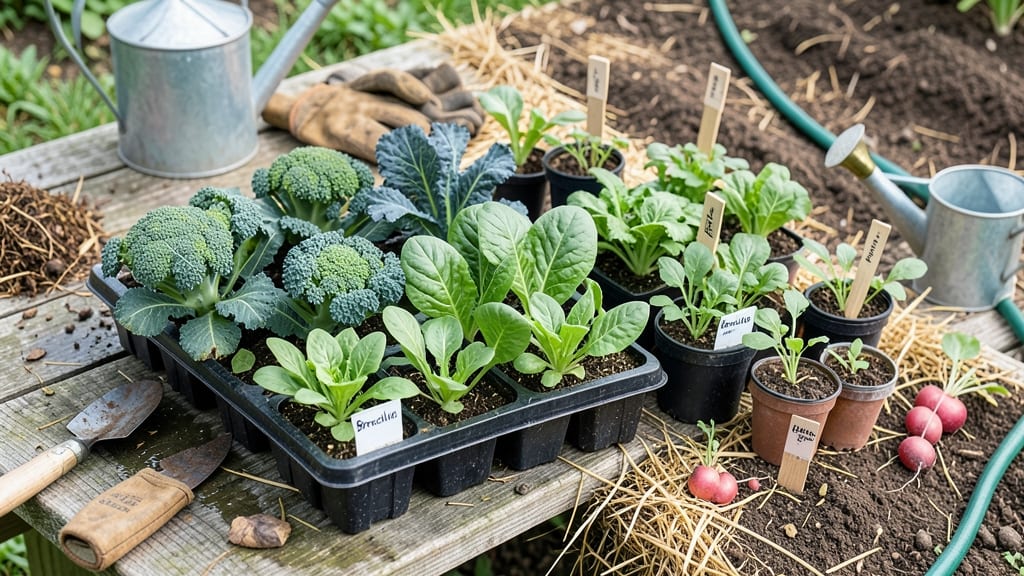
Planting a fall garden in Texas means timing your crops to escape summer heat and avoid early frost—typically between mid-August and mid-September, depending on your region.
Texas gardeners know timing is everything—plant too early, and your fall crops face brutal summer heat; too late, and frost ruins your harvest. But with the right schedule, you can grow thriving vegetables from September through December.
Why does this matter? A well-timed fall garden means fresher, homegrown produce when grocery prices spike, and it’s easier on your wallet and your waistline. Plus, cooler weather makes gardening more enjoyable.
Here’s what you’ll discover: the exact planting windows for North, Central, and South Texas, the best zero-frost-risk crops, and pro tips to extend your harvest well into winter.
Texas fall planting dates by region: avoid frost and heat risks
Texas' vast size means fall planting windows vary dramatically from North to South. In North Texas (Zones 7-8), the first frost typically arrives by November 15-30, while South Texas (Zones 9-10) enjoys frost-free growing until December 15 or later.
Central Texas (Zone 8) falls right in the middle with November 1-15 as the critical cutoff. Understanding these regional differences helps you avoid heat stress in early plantings and frost damage in late ones.
For cool-season crops like broccoli, kale, and spinach, timing is everything. Planting too early in August or September exposes seedlings to 90°F+ soil temperatures, stunting growth. Conversely, waiting until October 15 or later risks frost before harvest.
The sweet spot? Mid-September to early October for most regions, with adjustments based on your specific zone and microclimate.
Here’s the comparison table breaking down exact planting windows by region, including last frost dates, ideal transplant windows, and zero-risk periods for your most reliable fall crops:
In North Texas, aim to transplant broccoli and kale by October 1 to ensure harvests before frost. The zero-risk window of September 20-October 5 guarantees seedlings avoid both summer heat and early frost.
For spinach and lettuce, push transplants to late September—they mature faster and tolerate cooler temps.
Central Texas gardeners have a wider window thanks to milder nights. Start collards and mustard greens as early as September 1, but hold off on brassicas like cabbage until mid-September to avoid bolting. The zero-risk period aligns with September 10-October 10, perfect for succession planting every 2 weeks.
South Texas stands out with its year-round growing potential. Here, sweet potatoes and okra thrive when planted in August-September, while Brussels sprouts benefit from a September 1 start to mature by December.
The extended zero-risk window (until November 1) lets you experiment with cool-season crops like peas and fava beans for early spring harvests.
Pro tip: Use row covers to push harvests 2-3 weeks later in all regions. For example, in North Texas, covering spinach planted October 1 can delay frost damage until mid-December. In South Texas, row covers help cabbage survive light frosts, extending harvests into January.
Soil temperature is your secret weapon. Wait until soil cools to 70°F or below before transplanting cool-season crops. Use a soil thermometer to monitor—80°F+ stunts root growth in broccoli and kale. In Central Texas, this usually means waiting until mid-September for most transplants.
Don’t forget succession planting! In North Texas, sow radishes and lettuce every 2 weeks from September 15-October 15 for continuous harvests. In South Texas, stagger carrot and beet plantings through November to avoid
Best zero-frost risk crops for Texas fall gardens (ranked by success rate)
Texas fall gardens thrive when you choose cold-hardy crops that tolerate light frosts while avoiding summer heat. These top 10 zero-frost risk vegetables deliver reliable harvests from September through December, even in unpredictable Texas weather.
I’ve ranked them by yield potential, ease of growth, and regional adaptability—so you can pick winners for your garden.
My top recommendation? Collard greens and turnips lead the pack with 90%+ success rates in Texas’ fall conditions. They handle brief cold snaps and even improve in flavor after light frost. But don’t overlook radishes—they mature in just 30 days, giving you quick wins before winter sets in.