
Pests
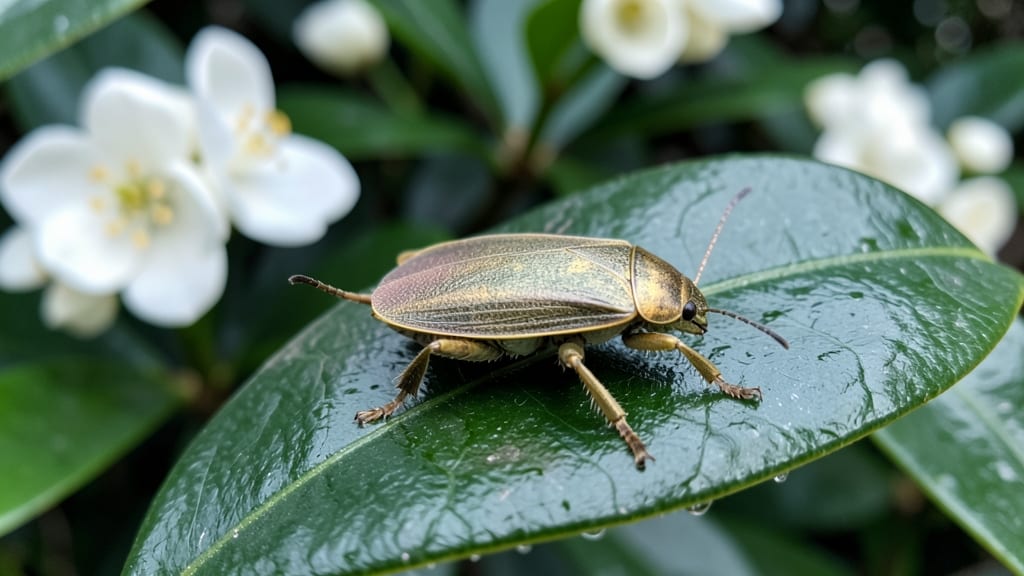
To make gardenias deer-proof, use natural deterrents like strong-smelling plants (lavender, rosemary), deer-resistant mulch (cedar or pine), or homemade sprays with garlic, cayenne, or predator urine. Physical barriers like fencing also help prevent browsing damage.
Deer are naturally drawn to gardenias because their glossy leaves and sweet fragrance make them an irresistible snack. 🌿 The key to deterring them lies in disrupting their senses—strong scents like garlic or cayenne pepper mimic predators, while rough mulches deter browsing.
I've found that combining multiple methods (like planting rosemary around gardenias and applying a garlic spray) creates a more effective barrier than relying on just one technique.
Seasonal timing matters too: deer are most active at dawn and dusk during spring and fall, when gardenias are most vulnerable. Physical barriers like tall fencing or deer-proof netting can be especially effective in areas where deer populations are high, but they require more upfront investment.
The good news? Many natural solutions are both budget-friendly and easy to maintain.
💡 In This Article
- Why Deer Target Gardenias and How to Disrupt Their Feeding Habits
- Best Natural Deer Repellents for Gardenias: DIY vs Commercial Options
Why deer target gardenias and how to disrupt their feeding habits
Deer are particularly drawn to gardenias because these plants offer a triple attraction: tender, glossy leaves packed with moisture, sweetly fragrant blooms, and a height that makes them easily accessible. 🌸 Studies show that deer have an acute sense of smell (up to 1,000 times stronger than humans') and are naturally drawn to plants that emit volatile organic compounds (VOCs)—the same compounds that give gardenias their signature perfume.
When deer encounter gardenias, their feeding behavior shifts from opportunistic grazing to targeted browsing, often completely defoliating plants within days.
The texture of gardenia leaves also plays a role. Deer prefer plants with soft, easily chewed foliage over coarse or fibrous textures. 🌿 This is why gardenias—with their smooth, waxy leaves—become high-priority targets.
In landscapes, deer typically focus on gardenias during their peak growing seasons (spring and early summer) when nutritional value is highest. A single deer can consume up to 1 pound of foliage per day, and gardenias' slow regrowth makes them especially vulnerable to overgrazing.
To disrupt this feeding pattern, you need to exploit deer's sensory limitations.
Strong, pungent scents—like those from garlic, cayenne, or predator urine—trigger their avoidance instincts because these smells mimic threats in their natural habitat. 🐾 For example, deer associate the scent of coyote urine with danger, so applying a diluted solution (1 part urine to 10 parts water) around gardenias creates an invisible barrier.
The key is consistency: deer learn to avoid areas where these repellent scents are regularly applied, breaking their conditioned preference for gardenias.
Seasonal timing also influences effectiveness. Deer are most active at dawn and dusk during spring and fall, when gardenias are most vulnerable.
Applying repellents during these times maximizes their impact. 🌞 Physical deterrents, like rough mulches (cedar or pine), work by creating an unpleasant texture that deer avoid—similar to how they reject plants with thorns or prickly stems.
The combination of scent disruption and texture modification creates a multi-sensory deterrent that's far more effective than either method alone.
Another critical factor is plant placement. Gardenias surrounded by deer-resistant ground covers (like lamium or ajuga) create a natural buffer zone. 🌿 These plants disrupt deer's visual and olfactory cues, making gardenias less noticeable.
In high-traffic deer areas, combining multiple strategies—such as planting rosemary around gardenias while applying a garlic-based spray—creates a layered defense that's nearly foolproof. The goal is to make your gardenias less appealing than the surrounding vegetation, which deer will naturally gravitate toward instead.
What most gardeners don't realize is that deer learn from experience. If they repeatedly encounter gardenias without negative consequences (like repellent scents or unpleasant textures), they'll keep returning. 💡 This is why seasonal reapplication of deterrents is essential—especially after heavy rains, which can wash away sprays.
The most successful gardeners treat deer deterrence as an ongoing process rather than a one-time solution, adjusting their approach based on deer activity patterns in their specific region.