
Plants
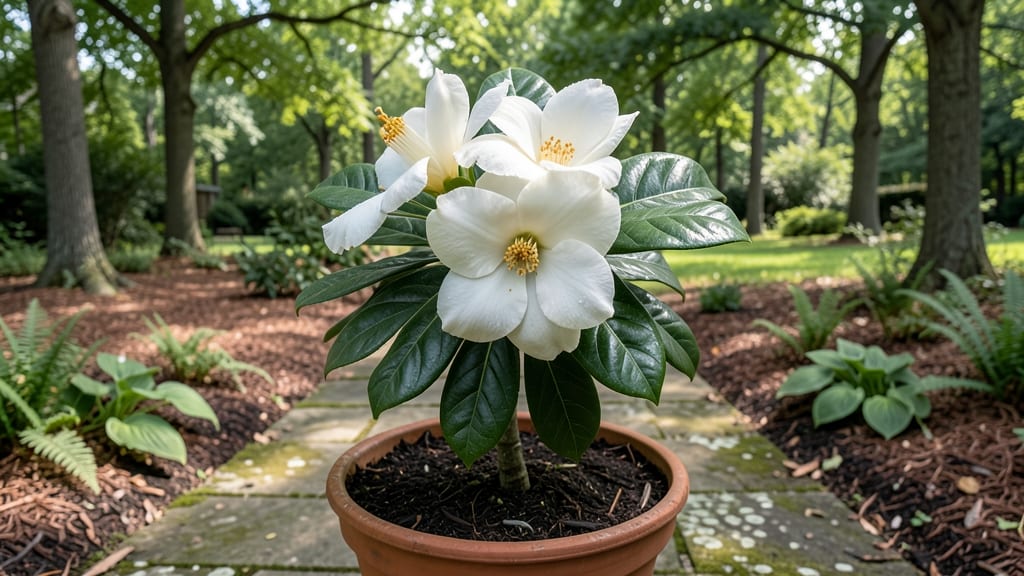
Gardenia plants bloom when they receive the right balance of light, warmth, and care — typically between late spring and summer, but timing varies wildly by climate and variety.
If you’ve ever dreamed of waking up to the intoxicating scent of gardenias blooming in your garden, timing is everything — yet many gardeners miss the window.
Unlike some plants, gardenias don’t bloom on a strict calendar; they respond to light, temperature, and care cues that can be mastered for year-round fragrance.
In USDA Zone 6a, where gardenias thrive, blooms usually peak from June to September, but tropical varieties can flower almost any month. The key lies in understanding your gardenia’s needs: acidic soil, partial shade, and consistent moisture all play a role in triggering those iconic white blooms.
Below, I’ll break down the natural blooming seasons by region, share tricks to coax flowers outside their usual window, and reveal the three biggest mistakes that keep gardenias from blooming at all.
Natural blooming seasons for gardenia plants by climate Zone
Gardenia plants are famous for their creamy white, ultra-fragrant blooms, but their blooming windows vary wildly depending on where you live.
Unlike annuals that follow a strict calendar, gardenias respond to temperature shifts, daylight hours, and microclimates—meaning your gardenia in Zone 9 might bloom year-round while one in Zone 7 takes a winter nap. Understanding these patterns helps you time care routines for maximum fragrance.
The key to predicting gardenia blooms lies in your USDA hardiness zone and whether your climate is tropical, subtropical, or temperate. Tropical zones (like Zone 11) often enjoy year-round blooming, while colder zones (like Zone 6) experience spring/summer peaks with dormancy in winter.
Even within the same zone, microclimates—like coastal areas or urban heat islands—can shift bloom timing by weeks.
Let’s break down what to expect in each zone, including peak bloom months, dormancy periods, and how to spot early signs of buds forming. This table will help you align your pruning, fertilizing, and watering with nature’s cues for the most stunning displays.
In Zones 6-7, gardenias typically wake up from dormancy in late April or May, with buds swelling as soil temperatures hit 60°F+. Look for pink-tinged buds as your first clue—these signal blooms within 7-10 days.
Prune dead flowers immediately to redirect energy to new buds, but avoid heavy pruning until after the first frost. In these zones, mulching with pine needles mimics acidic forest floors and encourages repeat blooming.
Gardeners in Zone 8 enjoy a longer season, often with two bloom cycles: one in spring and another in early fall. The trick here is to avoid overwatering during summer, as soggy soil can stress plants and delay fall blooms.
Instead, water deeply every 3-5 days and watch for leaves curling—a sign of thirst. Zone 8 gardenias also benefit from afternoon shade cloth during heatwaves, which protects buds from sun scorch.
For Zones 9-11, the rules change dramatically. Tropical gardenias like Gardenia jasminoides can bloom year-round if given ideal conditions, but they often peak in cooler months (like January–March) as a survival tactic. In these zones, prune lightly after each bloom cycle to maintain shape and encourage new growth.
If you notice buds dropping despite warm weather, check for low humidity—mist leaves daily or use a pebble tray to boost moisture levels.
Microclimates play a huge role in bloom timing, even within the same zone. For example, a gardenia in Zone 7’s urban heat island might bloom 3 weeks earlier than one in a rural area.
Similarly, coastal gardens in Zone 9 often see extended fall blooms thanks to moderate ocean breezes. To take advantage of these variations, plant gardenias near walls or fences that absorb heat during the day and release it slowly at night—a technique called thermal mass gardening.
One of the most common mistakes gardeners make is assuming all gardenias bloom the same way. Varieties like
How to trigger gardenia blooms outside their natural season
Gardenia plants thrive on routine, but with the right light manipulation and care adjustments, you can coax blooms outside their usual spring/summer window. The key lies in mimicking their native tropical conditions—where gardenias often bloom year-round.
By controlling daylight exposure and temperature cues, you can push blooms into winter or extend summer fragrance. Let’s explore science-backed tricks to unlock your gardenia’s hidden potential.
Light deprivation is the most effective method for winter blooming. Gardenias respond to shorter days by entering a dormancy-like state, then burst into bloom when daylight increases.
For forced winter blooms, start by covering your plant with a lightproof box or moving it to a closet for 12-14 hours daily during late fall. This mimics the shortened days of winter, tricking the plant into preparing for bloom.
Pair this with consistent moisture and warmth (70-75°F) to maximize success.
Step-by-Step Guide to Forcing Gardenia Blooms
- 🌱 Step 1: Choose Your Target Season
Decide whether you want winter blooms (light deprivation) or extended summer blooms (pruning + fertilizer). Winter forcing requires 10-12 weeks of preparation. - 🌡️ Step 2: Adjust Temperature
Maintain 70-75°F days and 60-65°F nights for optimal bloom triggers. Use a heat mat or move potted plants indoors near a south-facing window. - ✂️ Step 3: Strategic Pruning
Prune 1/3 of new growth after the first flush of blooms to encourage secondary blooming cycles. Avoid heavy pruning in late summer—this can delay next year’s flowers. - 💧 Step 4: Fertilize on a Schedule
Use a balanced acidic fertilizer (10-10-10) every 4-6 weeks during growing season. Switch to a high-phosphorus formula (5-10-5) 8 weeks before desired bloom time. - 🌙 Step 5: Light Deprivation for Winter Blooms
Cover the plant with a lightproof box or move it to a dark closet for 12-14 hours daily starting in late October. Remove coverage at dawn to simulate sunrise. - 🌿 Step 6: Monitor Bud Formation
Watch for buds that swell and turn pink—a sign blooming is imminent. Increase humidity with a pebble tray or misting to prevent bud drop.
Temperature plays a critical role in forcing blooms. Gardenias need a warmth differential between day and night to trigger flowering. For winter blooms, keep daytime temps at 70-75°F and drop nighttime temps to 60-65°F.
Use a thermostat-controlled greenhouse or move potted plants near a heat vent if indoors. Avoid sudden temperature swings, which can cause bud drop or stunted growth.
Pruning at the right time can extend your gardenia’s blooming window. After the first flush of flowers fades, trim back 1/3 of the oldest stems to encourage new growth and secondary blooms. This works best in late spring or early summer when the plant is actively growing.
Avoid pruning in fall or winter, as this can stress the plant and delay next year’s blooms. Always use sterilized shears to prevent disease.
Fertilizer timing is another game-changer for off-season blooms. Gardenias need phosphorus-rich food to produce flowers, but too much nitrogen leads to leafy growth at the expense of blooms.
Start with a balanced 10-10-10 fertilizer in early spring, then switch to a high-phosphorus 5-10-5 formula 8 weeks before your target bloom date. Apply fertilizer in the early morning after watering to prevent root burn. Reduce feeding in fall and winter to let the plant rest.
With these techniques, you can enjoy gardenias blooming year-round—even in climates where they’re not native. The secret is patience and precision: light control, temperature consistency, and timely pruning work together to unlock your plant’s full potential.
Start experimenting now, and you’ll be rewarded with fragrant blooms when others in your neighborhood are still waiting for spring. 🌸