
Pests
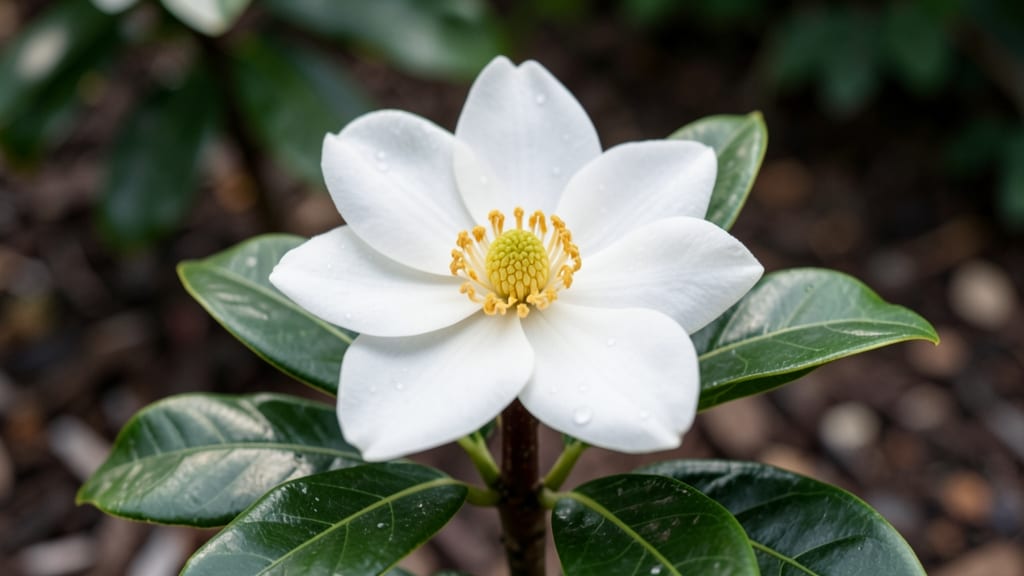
Gardenia plants are deer resistant because their strong fragrance and bitter foliage make them unappealing, though deer may still nibble during extreme hunger. Protect them with natural deterrents like garlic spray, repellent companion plants, or physical barriers.
Gardenia plants contain natural compounds like volatile oils and alkaloids that create their signature scent and bitter taste—both of which deer instinctively avoid. 🌿 However, when food sources become scarce (like in late winter or drought conditions), deer may ignore these defenses and target gardenias as a last resort.
The key to long-term protection lies in combining their natural resistance with proactive deterrents, such as planting deer-repelling herbs nearby or applying homemade sprays with cayenne pepper and water.
For best results, I recommend rotating deterrent methods every few weeks to prevent deer from adapting. Physical barriers like chicken wire fencing (buried 6 inches deep) work well for young plants, while mature gardenias benefit from strategic companion planting with lavender or rosemary.
These strategies create a multi-layered defense system that leverages both the plant's innate resistance and human intervention.
💡 In This Article
- Why Gardenias Naturally Deter Deer
- Natural Deer-Repellent Strategies for Gardenias
Why gardenias naturally deter deer
Gardenia plants produce volatile oils and alkaloids in their leaves and stems, creating a potent fragrance that deer find overwhelming. These compounds—like jasmone and spathulenol—emit a sweet yet pungent aroma that masks the plant's natural appeal.
Deer rely heavily on scent to identify food sources, and gardenias essentially "trick" them into avoidance by overwhelming their olfactory senses. 🌸 The foliage also contains bitter-tasting glycosides, which deer instinctively reject after just a few bites.
The texture of gardenia leaves plays a role too. Their leathery, waxy surface feels unappealing to deer, which prefer softer, more tender vegetation. Studies show deer avoid plants with a surface wax content above 10%, and gardenias typically exceed this threshold.
However, when food becomes scarce—such as during late winter or drought—the deer's survival instinct overrides these natural deterrents, forcing them to browse gardenias despite their defenses.
Temperature and season also influence deer behavior. In warm months, gardenias release more volatile oils, intensifying their fragrance and making them even less appealing. But in cold weather, oil production slows, reducing the plant's natural repellency.
This explains why gardenias often face more damage in late fall or early spring, when deer are desperate for sustenance and the plants' defenses are weakened. 🌿
Another critical factor is the alkaloid content in gardenia leaves, which acts like a natural pesticide. These compounds create a bitter, almost metallic taste that deer associate with toxicity.
While not lethal, the unpleasant experience discourages further browsing. However, young or stressed deer—especially fawns—may still nibble due to curiosity or hunger, making additional deterrents essential for long-term protection.
For gardeners, understanding these botanical mechanisms helps tailor protection strategies. For example, pruning gardenias in early spring encourages new growth with higher volatile oil content, naturally boosting their deer resistance. Pairing this with companion planting (like lavender or rosemary) creates a multi-sensory deterrent that amplifies the plant's natural defenses. 🌱