
Plants
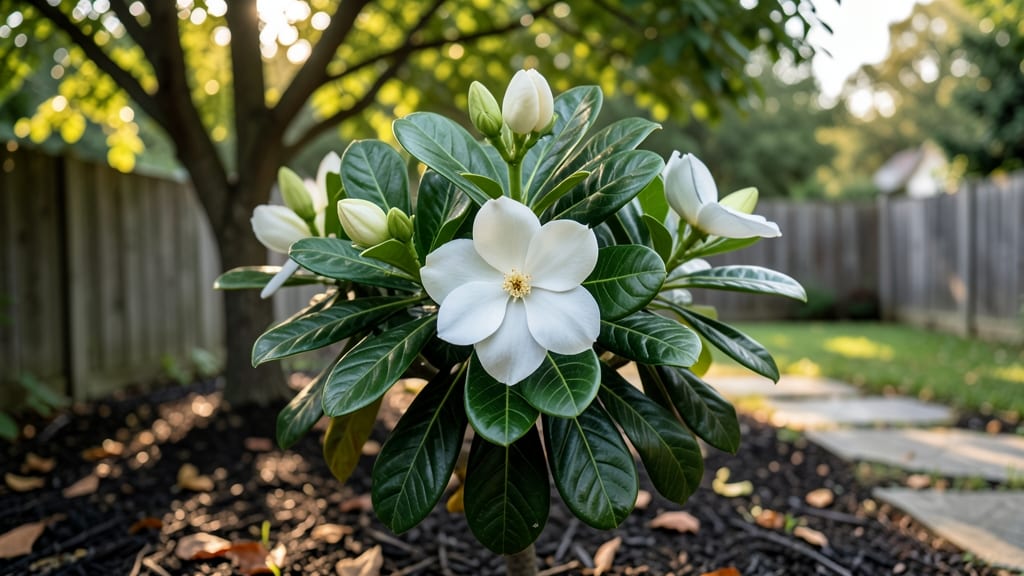
If you're wondering how big gardenia plants get, most varieties like Gardenia jasminoides 🌸 mature between 4 and 6 feet tall, with a spread of 3 to 5 feet—though dwarf types stay under 3 feet.
Picture this: a fragrant gardenia reaching chest height, its glossy leaves and creamy-white blooms brightening your yard—yet some varieties can grow twice that size if left unchecked. The good news? With the right pruning and care, you can keep them at your ideal height.
Size varies by variety, climate, and how aggressively you prune. In warmer zones like 6a, gardenias grow faster and may need more frequent trimming, while cooler areas slow their growth naturally. Knowing these factors helps you plan where to plant them and how to manage their spread.
Below, I’ll break down the mature sizes of popular gardenias, how to control their growth, and when to prune for the perfect-sized shrub that fits your space—without sacrificing those intoxicating blooms.
Gardenia plant size by variety: mature heights and spreads compared
If you're planning your garden layout, knowing how big gardenia plants get helps you choose the perfect spot for their fragrant blooms and lush foliage. Gardenias vary dramatically in size—from compact dwarf varieties to tall, tree-like shrubs.
Understanding these differences ensures your garden stays balanced and your gardenias thrive without crowding other plants.
Most gardenias belong to the Gardenia jasminoides species, but even within this group, sizes can differ by 3 to 4 feet. For example, the Radicans variety stays low and spreading, while Kleim's Hardy can reach heights of 6 feet or more.
Below, I’ve compared the most popular varieties to help you pick the right one for your space.
| Variety | Mature Height (ft) | Mature Spread (ft) | Growth Habit | Best For |
|---|---|---|---|---|
| Radicans | 1–2 ft | 3–4 ft | Low, spreading | Containers, borders, small gardens |
| Fortuniana | 2–3 ft | 3–5 ft | Bushy, rounded | Foundation plantings, hedges |
| Kleim's Hardy | 4–6 ft | 4–6 ft | Upright, tree-like | Backyard focal points, large gardens |
| Veitchii | 3–5 ft | 3–5 ft | Bushy, multi-stemmed | Privacy screens, mixed borders |
| Augusta | 6–12 ft | 6–10 ft | Tall, pyramid-shaped | Large estates, tropical landscapes |
| Mystery | 2–3 ft | 3–4 ft | Compact, rounded | Patio pots, small spaces |
The Radicans and Mystery varieties are ideal for container gardening or small patios, while Kleim's Hardy and Augusta need more space to showcase their tall, dramatic forms.
If you're growing gardenias in USDA Zones 7-10, their size will also depend on how aggressively you prune them—more on that in the next section!
For small gardens, I recommend Radicans or Mystery—they stay under 3 feet tall and spread just 3-4 feet wide, making them perfect for foundation plantings or window boxes. Their low-growing habit also makes them easier to maintain without heavy pruning.
If you're aiming for a tropical vibe or need a privacy screen, Veitchii or Kleim's Hardy are excellent choices. These varieties grow 3-6 feet tall and wide, providing ample coverage while still being manageable with regular pruning.
Their upright growth habit also makes them great for backyard focal points.
For those with large properties or tropical climates, Gardenia augusta is a showstopper. This variety can reach 12 feet tall and 10 feet wide, making it more of a small tree than a shrub.
It’s perfect for landscape accents or shady garden corners, but it requires ample space and regular pruning to control its size.
When planning
How gardenia growth rates vary by climate and pruning practices
Gardenia plants thrive in warm climates but react dramatically to temperature shifts and pruning habits. In tropical zones like Florida or Hawaii, gardenias can grow 30-50% faster than in temperate regions, reaching their mature height of 6-12 feet in just 3-5 years.
Meanwhile, in cooler climates like USDA Zone 7 or 8, growth slows to 1-2 feet per year, often staying under 4-5 feet without aggressive care.
Your pruning approach directly controls spread and height. Light pruning—removing only dead or overgrown branches—lets gardenias maintain their natural rounded shape and dense foliage.
But aggressive pruning after blooming can stunt growth and reduce flower production, while container gardening forces compact growth habits (often 2-3 feet tall) through root restriction and regular trimming.
Gardenia Growth Control: Climate vs. Pruning
Tropical Climates
- Pros: Faster growth (3-5 ft/year)
- Pros: Larger blooms, 6-12 ft mature size
- Cons: Needs year-round care (frost protection)
Temperate Climates
- Pros: Slower growth (1-2 ft/year)
- Pros: Easier to control size with pruning
- Cons: Smaller blooms, 4-6 ft mature size
Light Pruning
- Pros: Preserves natural shape
- Pros: Maximizes flower production
- Cons: May outgrow space faster
Aggressive Pruning
- Pros: Controls height/spread effectively
- Pros: Ideal for containers or small spaces
- Cons: Reduces bloom quantity
For container gardening, choose dwarf varieties like 'Radicans' or 'Kleim's Hardy', which stay under 3 feet tall. Use 15-20 gallon pots with well-draining soil and prune twice yearly—once after blooming and again in early spring—to encourage bushier growth.
In-ground gardenias, however, need 3-5 feet of space between plants to prevent overcrowding and disease.
In humid climates, gardenias grow faster but require more frequent pruning to prevent fungal issues. In dry climates, growth slows naturally, but you’ll need to water deeply 2-3 times per week to maintain healthy expansion.
Always prune with sterilized tools to avoid spreading diseases like powdery mildew, which thrives in dense, unpruned foliage.
If you’re aiming for a manicured look, prune in late winter or early spring before new growth begins. For a wild, natural shape, skip heavy pruning and let the plant grow freely—just remove dead or crossing branches.
Remember, gardenias reward patience: over-pruning can delay blooming by up to 2 years in some varieties.
My top tip? Start with a smaller variety like 'Fortuniana' if space is limited—it stays under 4 feet tall and blooms profusely. For larger landscapes, Gardenia jasminoides can reach 10 feet but needs regular pruning to maintain a manageable size.
Always match your pruning style to your climate and space constraints for the best results.