
Planting
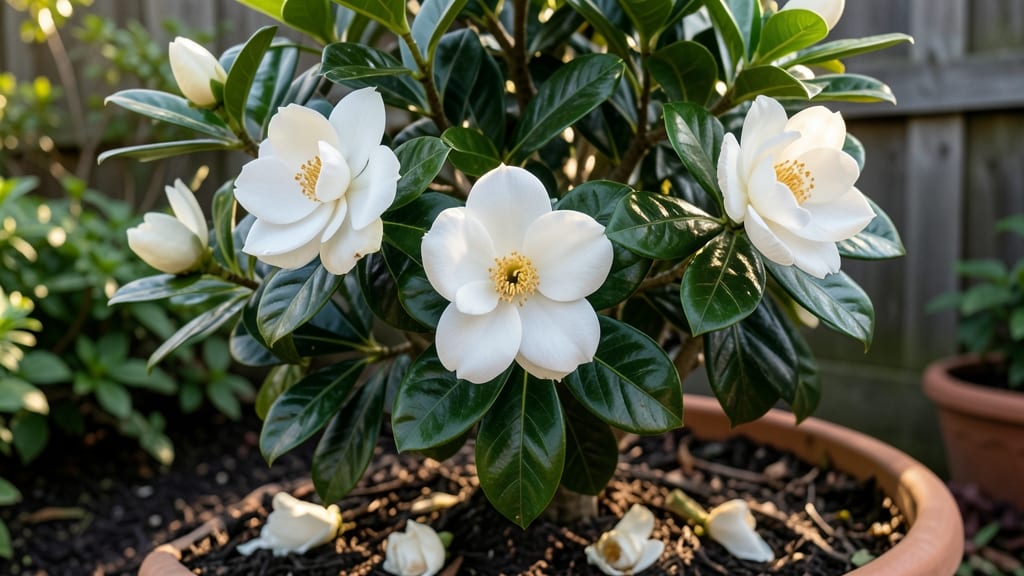
Gardenia plant size ranges from compact 1-foot shrubs to towering 6-foot giants, depending on the variety and growing conditions.
If you’re dreaming of fragrant white blooms but worried about gardenia plants overtaking your yard, their size can be as surprising as their intoxicating scent—some stay petite enough for containers while others stretch taller than a basketball hoop.
In Zone 6, where many gardeners grow gardenias 🌸, the right variety and care make all the difference. A 'Radicans' stays under 3 feet, perfect for patios, while a 'Veitchii' can reach 10 feet in ideal conditions, making it a statement piece for larger landscapes.
Below, I’ll break down how to choose the right size for your space, pruning tips to control growth, and the best varieties for small yards versus sprawling gardens.


Gardenia plant size by variety: from dwarf gardenias to giant shrubs
If you’re planning your garden layout or dreaming of fragrant gardenias for your patio, knowing their mature sizes is key. Gardenias range from compact varieties perfect for containers to towering shrubs that need yard space.
The right choice depends on your space and care goals—some stay under 3 feet tall, while others reach 10 feet or more.
Size isn’t just about height—it’s also about spread, growth rate, and how a gardenia fits into your landscape. For example, 'Radicans' stays petite enough for a windowsill, while 'Cleopatra' becomes a statement piece in tropical gardens. Let’s explore how to pick the perfect size for your gardenia dreams.
🌸
| Variety | Mature Height | Mature Spread | Growth Rate | Best For |
|---|---|---|---|---|
| 'Radicans' | 1–3 ft | 2–3 ft | Slow | Containers, patios, small spaces |
| 'Kleim’s Hardy' | 3–5 ft | 3–4 ft | Moderate | Cold-hardy gardens, hedges |
| 'Veitchii' | 5–8 ft | 4–6 ft | Fast | Tropical gardens, privacy screens |
| 'Fortuniana' | 6–10 ft | 5–8 ft | Fast | Large landscapes, specimen plants |
| 'Cleopatra' | 10–15 ft | 8–12 ft | Very Fast | Tropical backdrops, large estates |
Dwarf gardenias like 'Radicans' are ideal if you’re working with limited space. These varieties stay under 3 feet tall and spread just 2–3 feet wide, making them perfect for containers on patios or balconies.
They grow slowly, so you won’t need to prune often, but they still deliver those iconic white, fragrant blooms.
For small yards, 'Kleim’s Hardy' is a fantastic middle-ground option. It reaches 3–5 feet tall and thrives in cooler climates (USDA Zone 6), making it one of the hardiest gardenias. Its moderate growth rate means you can shape it easily with light pruning after flowering.
If you have a larger garden or want a dramatic focal point, 'Veitchii' or 'Fortuniana' will wow you. These varieties grow 5–10 feet tall and spread wide, creating a lush, tropical feel. They’re perfect for privacy screens or hedges, but they need space to flourish.
At the top end of the size spectrum, 'Cleopatra' is a giant among gardenias. It can reach 10–15 feet tall and spread 8–12 feet wide, making it a statement plant for large estates or tropical gardens.
This variety grows quickly, so plan for its eventual size if you choose it.
When planning your garden, consider not just height but also spread and growth rate. A 5-foot-tall gardenia with a 6-foot spread will need more room than one that stays compact. Always space plants 2–3 feet apart for good airflow, which helps prevent fungal diseases like powdery mildew.
For container gardening, stick to dwarf varieties like 'Radicans' or 'Kleim’s Hardy'. Use pots with drainage holes and ensure they’re large enough to accommodate roots—at least 12–18 inches in diameter. Place containers where they’ll get morning sun and afternoon shade.
🪴
How to control gardenia size: pruning and growing tips for small spaces
Keeping your gardenia plant size manageable starts with understanding its natural growth habits. Most varieties grow 4-6 feet tall and 3-5 feet wide if unchecked, but with the right techniques, you can easily shape them for smaller spaces.
The key is pruning at the right time and using container gardening for compact varieties like 'Radicans', which stays under 3 feet tall.
For gardeners with limited space, container growing is a game-changer. Choose a pot that’s at least 18 inches wide with drainage holes, and use a well-draining, acidic potting mix (pH 5.0-6.5).
This mimics their natural tropical habitat while keeping roots contained. Remember, smaller pots = slower growth, so size up as your plant matures.
Now, let’s dive into the step-by-step process to control your gardenia’s size effectively:
Trim back 1/3 of the plant’s height right after blooms fade (late spring/early summer). This encourages new growth and denser foliage while keeping the plant compact. Use clean, sharp pruners to avoid damaging stems.
Every 4-6 weeks during the growing season (spring-fall), prune to maintain your desired shape. Focus on removing leggy or overcrowded branches to improve airflow and reduce disease risk. Aim for a rounded, bushy form for optimal blooms.
Use a balanced, acidic fertilizer (10-10-10 or 8-3-9) every 6-8 weeks in spring and summer. Over-fertilizing leads to rapid, unruly growth and fewer blooms. Always water thoroughly after fertilizing to prevent root burn.
Apply a 2-3 inch layer of mulch (like pine bark or shredded leaves) around the base. This suppresses weeds, retains moisture, and slows root spread. Avoid piling mulch against the stem to prevent rot.
If growing in containers, repot every 2-3 years into a pot just 2 inches larger than the current one. For in-ground plants, transplant young gardenias to their permanent location in early spring to minimize stress and encourage controlled growth.
Seasonal care is just as important as pruning. In winter (USDA Zones 8-10), reduce watering and avoid pruning—let the plant rest. For colder zones (6-7), choose hardy varieties like 'Kleim’s Hardy' and prune lightly in late winter to stimulate spring growth.
Always protect young plants from frost with burlap wraps.
With these techniques, you’ll enjoy fragrant blooms without the overgrowth. Whether you’re growing a dwarf gardenia in a pot or shaping a standard shrub for your yard, consistent care keeps your plant healthy, compact, and blooming beautifully. 🌿✂️🪴