
Watering
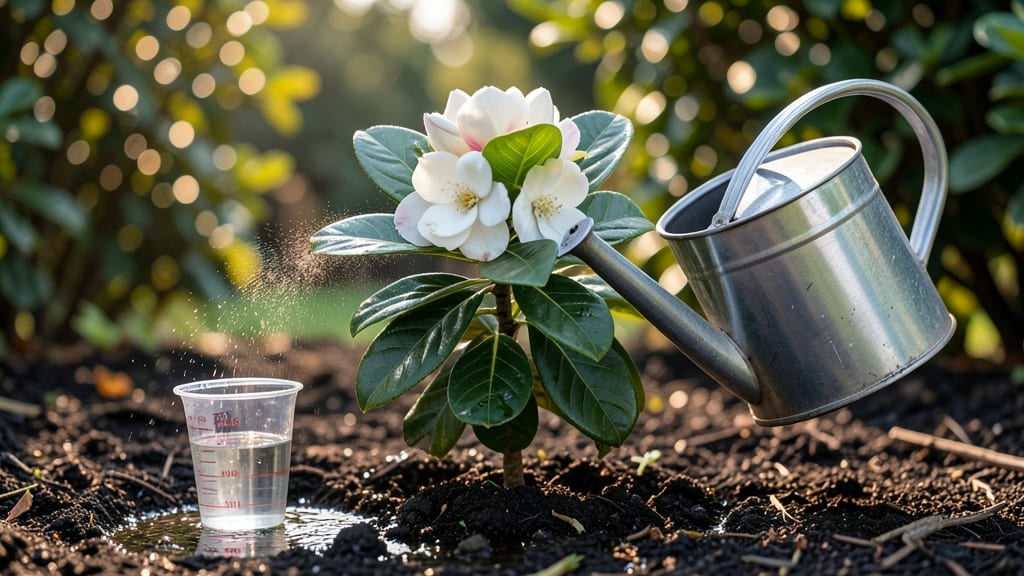
Picture this: you’ve just planted your gardenia in well-draining soil, and you’re eager to see it thrive. But after a few weeks, the leaves start yellowing or wilting—even though you’ve been watering.
That’s your first clue that gardenia water needs aren’t just about how much you pour, but when and how you do it.
Too little water, and your gardenia wilts or drops buds. Too much, and you risk root rot or fungal issues that can kill your plant before it even gets a chance to bloom. The trick? Keeping the soil evenly moist—not soggy, not bone-dry—while adjusting for your climate and season.
In this guide, I’ll walk you through the exact watering schedule for your gardenia, from spring’s thirsty blooming phase to winter’s gentle sip.
You’ll learn how to read your plant’s thirst signals, fix common watering mistakes, and even use mulch to keep moisture just right—so you can finally enjoy those fragrant blooms year after year.
How often to water gardenias for optimal soil moisture
Gardenia plants thrive when their soil moisture stays consistently balanced—neither soggy nor bone-dry. As a moisture-loving shrub, gardenias need regular watering, but their needs change dramatically with seasonal shifts and plant maturity.
I’ve learned the hard way that skipping watering during summer heat or overdoing it in winter can both spell disaster for your fragrant blooms.
Young gardenias (first 2 years) require more frequent watering than mature plants because their root systems haven’t fully developed. Meanwhile, established gardenias can handle slightly longer dry spells—but only if the soil drains well.
The key is checking soil moisture 1-2 inches deep before watering, not just glancing at the surface.
In spring, gardenias wake up from dormancy and need a steady increase in water as new growth appears. Aim for 1-1.5 gallons per plant every 2-3 days, adjusting based on rainfall.
If your gardenia’s leaves start yellowing between veins, it’s often a sign of overwatering—especially if the soil feels soggy.
Summer is the most critical time for watering, as gardenias can drop buds when stressed by heat or drought. I’ve found that deep watering in the morning (before 10 AM) reduces evaporation and prevents fungal issues.
Use a soaker hose or drip irrigation to deliver water directly to the roots without wetting the foliage.
As temperatures drop in fall, gardenias need less water, but don’t let the soil dry out completely. A good rule of thumb is to water when the top 1-2 inches of soil feel dry to the touch.
Look for curling leaves as a sign your plant is thirsty, while mushy stems or moldy soil means you’re overdoing it.
Winter care is all about reducing water while preventing the soil from drying out entirely. In USDA Zone 6a (where I garden), I water gardenias once a week unless we have a dry spell.
Brown leaf tips in winter often signal dry air, not necessarily underwatering—consider using a humidifier nearby if indoors.
For potted gardenias, watering needs are even more frequent because containers dry out faster. Check the soil daily in summer—if it’s lighter than a damp sponge, it’s time to water. Pro tip: Use terracotta pots for better moisture control, as they wick away excess water.
Watch your gardenia’s leaves and roots for clues about watering needs. Drooping leaves that perk up after watering mean thirst, while yellow leaves with brown edges often signal overwatering. If you’re unsure, dig down 2 inches—if the soil is dry, water; if it’s wet, wait.
Remember, gardenias hate salt buildup from tap water. If your water is hard, use rainwater or distilled water for potted plants. And always water at the base of the plant, never overhead, to protect those delicate blooms from fungal diseases like powdery mildew.
With the right watering routine, your gardenia will reward you with glossy leaves and fragrant blooms all season long. Start with these guidelines, adjust based on your climate, and soon you’ll have a thriving gardenia that’s the envy of the neighborhood! 🌸💧
Gardenia watering mistakes that kill blooms (and how to fix them)
Your gardenia’s glossy leaves and fragrant blooms are a labor of love, but even the most careful gardeners accidentally drown or dehydrate these tropical beauties. Overwatering causes root rot, while underwatering leads to bud drop—both of which can kill your plant’s blooming potential.
The key is understanding the subtle signs and adjusting your routine before it’s too late.
I’ve seen gardenias go from vibrant to wilting in just 48 hours because of watering mistakes. The worst offenders? Inconsistent moisture, poor drainage, and watering at the wrong time of day.
These errors create stress that directly impacts your plant’s ability to produce those coveted white flowers. Let’s diagnose the most common problems and restore your gardenia to full health.
🌱 Gardenia Watering Warning Signs
Yellowing leaves or mushy stems mean overwatering—your roots are suffocating. Drooping buds or crispy edges signal underwatering. Both issues require immediate action to save your blooms!
If your gardenia’s leaves turn yellow and feel slimy to the touch, you’re dealing with root rot—a fungal infection caused by soggy soil. The fix starts with stopping water entirely for 3-5 days to let the roots dry.
Then, repot in fresh, well-draining soil mixed with perlite or orchid bark to prevent future issues. For severe cases, trim away mushy roots with sterilized shears before repotting.
Bud drop is another heartbreaking sign of water stress. If your gardenia’s buds fall before opening, it’s usually due to inconsistent moisture or nighttime watering. Wet foliage at night creates the perfect environment for fungal spores to thrive.
Switch to morning watering and maintain even soil moisture—never let the top 1-2 inches dry out completely. A self-watering pot or moisture meter can help maintain consistency.
For potted gardenias, drainage holes are non-negotiable. Without them, excess water pools at the bottom, leading to anaerobic conditions that strangle roots. If your pot lacks holes, transfer your plant to a terracotta or ceramic container with drainage.
Add a 2-inch layer of gravel at the bottom to improve airflow, then water until it drains freely from the holes below.
Recovery takes patience, but with the right adjustments, your gardenia can bounce back. After fixing drainage or watering habits, resume a consistent schedule—watering deeply every 2-3 days in summer or every 3-4 days in cooler months.
Add a 2-inch mulch layer of pine bark or shredded leaves to retain moisture and regulate soil temperature. Within 4-6 weeks, you should see new growth and bud formation.
Remember, gardenias thrive on routine. Once you’ve corrected the mistakes, stick to a morning watering schedule and monitor soil moisture with your fingers. If the top 1 inch feels dry, it’s time to water again.
With these fixes, your gardenia will reward you with abundant, fragrant blooms all season long. 🌸