
Advice
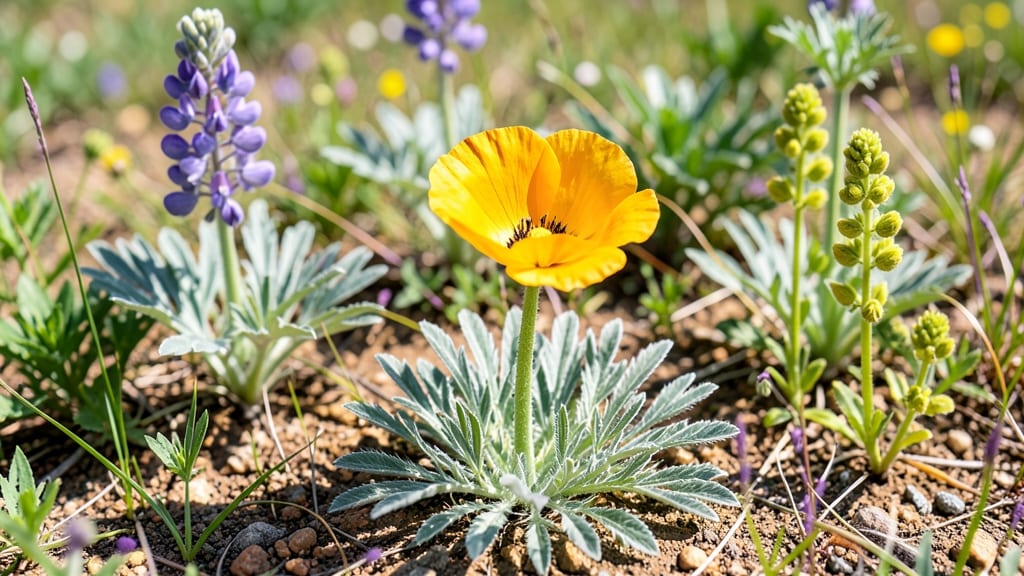
Gardening in Northern California thrives when you focus on native drought-tolerant plants like California poppies and manzanita, adapt planting to your specific microclimate, and time frost-sensitive crops carefully. Prioritize well-draining soil and smart water use to work with the region's Mediterranean climate of dry summers and wet winters.
Northern California's diverse landscapes—from foggy coastal areas to hot inland valleys—create unique growing conditions that demand flexibility. 🌿 The key is selecting plants that naturally thrive in your specific zone, whether that means heat-loving lavender in the Central Valley or shade-tolerant ferns along the coast.
I've found that even within a single county, microclimates can vary dramatically, so observing your garden's specific conditions for at least a season before making big planting decisions pays off big time.
Beyond plant selection, understanding your local frost dates and seasonal rainfall patterns transforms your gardening success. For example, coastal areas might have milder winters that allow for year-round planting of Mediterranean herbs, while inland regions need careful spring timing to avoid late frosts damaging tender seedlings.
The region's Mediterranean climate actually works to your advantage if you plan for it—those dry summers mean less fungal disease pressure, while winter rains provide natural irrigation for established plants.
💡 In This Article
- Northern California’s Unique Microclimates and Plant Zones
- Top Drought-Resistant Plants for Northern California Gardens
Northern California’s unique microclimates and plant zones
Northern California’s gardening success hinges on understanding its dramatic microclimates, which can shift plant hardiness zones by 5-10 degrees Fahrenheit within just a few miles.
The coast typically sits in USDA zones 9b-10a, where summer fog keeps temperatures around 65-70°F even during heat waves, while inland valleys like Sacramento reach 11a-12b with summer highs often exceeding 100°F.
These variations mean coastal gardens can grow olive trees year-round, while inland areas need heat-tolerant varieties like 'Black Magic' figs that thrive in 105°F conditions.
The Mediterranean climate creates another critical factor: frost-free periods vary wildly. Coastal San Francisco averages only 5 frost days per year, while the Central Valley experiences 30-50 frost nights annually, requiring frost cloth or row covers for tender crops like tomatoes.
Elevation plays a surprising role too—mountain foothills just 1,000 feet above sea level can drop 10°F colder than valley floors at night. This is why I always check both USDA zone maps and local weather station data before selecting plants.
What most gardeners overlook is how these microclimates affect seasonal timing. Coastal areas can plant lettuce in September for winter harvests, while inland gardeners must wait until May 15th to avoid late spring frosts damaging basil seedlings.
The fog belt's humidity also creates ideal conditions for fungal diseases on susceptible plants like roses, requiring 3-4 inches of spacing between plants for airflow.
These climate nuances explain why a California native plant like ceanothus thrives in both coastal and inland gardens, while Mediterranean herbs need coastal protection from summer heat.
To navigate these variations, start by identifying your specific microclimate using tools like the California Climate Zones map from UC Davis. I recommend planting a test garden with native species first—like coyote brush for sun areas and toyons for shade—to observe how your microclimate behaves before investing in expensive ornamentals.
The key measurement to track is your last frost date (typically March 15th inland, January 1st coastally) and first frost date (often November 15th inland, December 15th coastally).
One surprising advantage of Northern California's climate is its natural disease resistance during dry summers. Unlike humid regions where fungal diseases like powdery mildew thrive, our Mediterranean summers create ideal conditions for drought-tolerant perennials that rarely need fungicides.
This is why lavender and rosemary flourish here with minimal care—just 1 inch of water every 2-3 weeks once established. The trade-off comes in winter, when heavy rains can cause root rot in poorly-draining soils, making amending soil with compost a critical first step for any new garden bed.
For container gardening—common in urban areas—choose pots with drainage holes and use cactus/succulent mix amended with 20% perlite to prevent waterlogging.
I've found that terracotta pots work best for Mediterranean herbs as they wick moisture away from roots, while fabric grow bags excel for heat-loving plants like bougainvillea that need excellent airflow.
The right container can mean the difference between a thriving plant and one struggling with root rot during our wet winters.