
Tools
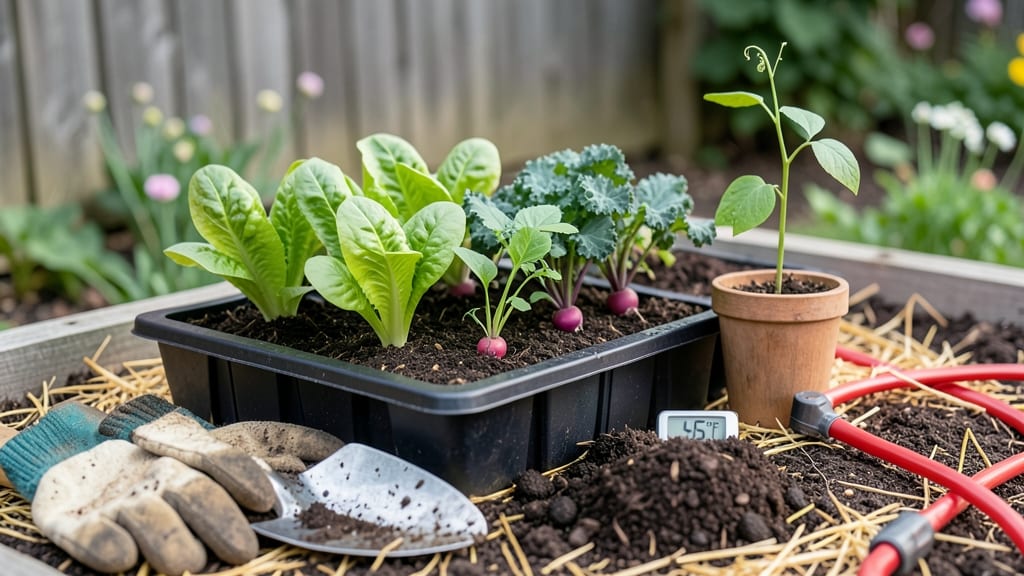
Starting a garden in Ohio means timing your first seeds and transplants to avoid frost and maximize your harvest — and the right window depends on whether you're in northern 6a or southern 6b.
Ohio gardeners know timing is everything — plant too early and frost will strike, too late and your harvest suffers. But with Ohio’s diverse hardiness zones, when exactly should you start your garden to maximize success?
The answer isn’t one-size-fits-all, especially when southern Ohio’s last frost can arrive weeks earlier than northern Ohio’s.
For most Ohio gardeners, the ideal time to start seeds indoors is mid-February to early March, while outdoor planting typically begins after the last frost date — usually mid-April to early May — when soil temperatures hit 60°F.
But this varies by plant type, zone, and even your microclimate.
In this guide, I’ll break down frost-free timelines by zone, when to start seeds indoors vs. direct-sow outdoors, and how to adjust for Ohio’s microclimates — so you can plan a garden that thrives from March to October.
Ohio’s frost-free dates by plant hardiness Zone (5a-6b)
Ohio’s planting timeline varies dramatically between its northern Zone 5a and southern Zone 6b regions. In colder northern areas like Toledo or Youngstown, gardeners face last frost dates around May 10, while southern Ohio—think Cincinnati or Columbus—can start planting as early as April 15.
Understanding these differences ensures your tomatoes, peppers, and lettuce thrive without frost damage.
For Zone 5a (northern Ohio), the average first frost arrives October 15, cutting the growing season short. Meanwhile, Zone 6b gardeners enjoy a longer season until October 30. This 2-week difference can mean the difference between a bountiful harvest and a failed crop.
Let’s break down the ideal planting windows for your specific zone to maximize your garden’s potential.
In Zone 5a, where frost lingers longer, I always start peppers indoors by March 1 to ensure they’re ready for transplanting after the last frost. Tomatoes, which are frost-sensitive, need to wait until soil warms to 60°F, typically mid-May.
For lettuce, a cool-season crop, I sow seeds as early as April 1 but use row covers to protect tender seedlings.
Gardeners in Zone 6b have a head start—peppers and tomatoes can often go into the ground by April 15 if nighttime temperatures stay above 50°F.
I’ve even seen early tomatoes ripen by June in protected microclimates. Lettuce and other leafy greens can be sown as early as March, but I recommend succession planting every 2 weeks to avoid bolting in the heat.
For all Ohio zones, soil temperature is just as critical as air temperature. Use a soil thermometer to confirm 50°F+ for peas and 60°F+ for warm-season crops.
In Zone 5a, I wait until May 10 to plant cucumbers and squash, while Zone 6b gardeners can start them by April 20. This 2-week window makes all the difference for heat-loving plants.
Don’t overlook fall planting, either! In Zone 6b, I sow spinach and kale by August 15 for a winter harvest. Even in Zone 5a, broccoli and carrots can be planted by September 1 if covered with straw mulch.
The key is to time it so crops mature 4–6 weeks before the first frost.
Pro tip: Use local frost date averages as guidelines, not rules. I’ve learned the hard way that microclimates—like a south-facing slope or urban heat islands—can shift frost dates by 1–2 weeks. Keep a garden journal to track your own last frost
How to adjust planting times for Ohio’s microclimates
Ohio’s diverse landscapes—from urban heat islands to rural valleys—create microclimates that can shift planting times by 2-4 weeks. In cities like Columbus, pavement and buildings trap heat, while Appalachian foothills stay cooler.
Understanding these variations helps you avoid frost damage and maximize yields. Start by identifying your specific microclimate: urban, rural, or elevated areas like hillsides.
For urban gardeners, soil warms faster due to concrete and asphalt. This means you can plant cool-season crops like spinach or peas 2 weeks earlier than rural areas. However, watch for heat spikes that can stress seedlings.
Rural areas, with more natural soil, follow traditional frost dates closely. Elevated regions (above 1,000 feet) experience cooler temperatures and may need to delay planting by 1-2 weeks.
Use these practical adjustments to extend your growing season safely:
- 1 Row Covers: Use floating row covers to protect seedlings from late frosts (extend season by 3-4 weeks). Remove covers when plants flower to allow pollination.
- 2 Cold Frames: Ideal for cool-season crops like lettuce or kale. Place frames over soil in early spring to start seedlings 4-6 weeks earlier than outdoor planting.
- 3 Succession Planting: Stagger plantings every 2 weeks for fast-growing crops like radishes or bush beans. This ensures a continuous harvest and reduces waste from bolting or overripening.
- 4 Soil Warmers: Use black plastic mulch or soil warming cables in early spring to raise soil temperatures by 5-10°F. This helps warm-season crops like tomatoes and peppers germinate faster.
- 5 Monitor Local Data: Check NOAA frost maps or local weather stations for real-time updates. Urban areas may have 5-10°F warmer soil temps than rural zones, so adjust planting dates accordingly.
For elevated regions, like those in southeastern Ohio, start hardy crops (e.g., peas, spinach) in late March under row covers. In urban heat islands, you can plant warm-season crops like cucumbers or squash 2 weeks earlier than rural guidelines suggest.
Always harden off seedlings for 7-10 days before transplanting to avoid shock.
Pro tip: Plant fast-maturing varieties (e.g., bush beans, radishes) in early spring for quick harvests before heat stress sets in. Pair them with slow growers like carrots or onions for a balanced garden. Test soil temps with a soil thermometer—most vegetables need 60°F+ soil to thrive.
By leveraging microclimate strategies, you can extend Ohio’s growing season without risking frost damage. Start small with one technique, like row covers, and expand as you gain confidence. Happy gardening! 🌱