
Planting
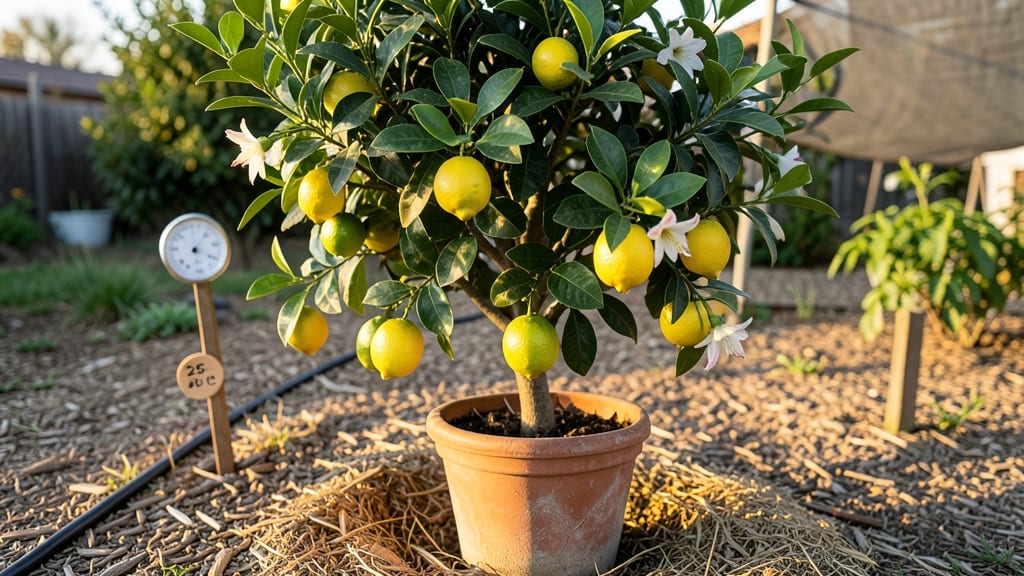
Gardening in Zone 9a thrives with heat-tolerant plants like citrus, bougainvillea, and okra, while avoiding frost-sensitive species. First frost occurs around December, allowing year-round planting with strategic seasonal timing for optimal growth and harvests.
Zone 9a's warm climate—with average winter lows between 25°F and 30°F—lets you grow tropical plants that would freeze elsewhere. 🌿 The key is matching plants to your microclimate, since coastal areas stay milder than inland spots.
I've found that even in winter, you can still plant cool-season crops like lettuce and kale, while summer's 90°F+ days demand shade for heat-sensitive greens. The extended growing season means you can experiment with year-round harvests if you choose the right varieties.
Timing matters just as much as selection. For example, planting tomatoes in early spring avoids the hottest months, while fall crops like broccoli thrive before temperatures drop. Mulching becomes your best friend here—it preserves moisture during scorching summers and protects roots from sudden cold snaps.
I always recommend testing your soil pH too, since Zone 9a's alkaline tendencies can limit nutrient uptake for acid-loving plants like blueberries.
What sets Zone 9a apart is its ability to grow both tropical and temperate plants successfully.
The trick is understanding each plant's specific needs—some like bougainvillea need full sun year-round, while others like ferns prefer filtered light. 🌵 With the right planning, you can create a garden that blooms continuously, producing food and flowers in every season.
💡 In This Article
- Understanding Zone 9a Climate and Plant Hardiness
- Seasonal Planting Calendar for Zone 9a Gardens
Understanding Zone 9a climate and plant hardiness
Zone 9a's climate creates a unique gardening puzzle where tropical plants thrive alongside temperate varieties. The defining factor is its narrow temperature range: average winter lows hover between 25°F and 30°F, while summer highs often exceed 95°F.
This means plants must handle both heat stress and brief cold snaps. The first frost typically arrives in late November, but coastal areas may see milder conditions, creating microclimates that can shift hardiness zones by 1-2 degrees. 🌡️
Soil conditions add another layer of complexity. Zone 9a soils tend toward alkaline pH (often 7.5-8.5), which limits nutrients for acid-loving plants like azaleas or blueberries. The solution? Amend with sulfur or peat moss to create acidic pockets, or choose native plants adapted to local conditions.
Water retention also becomes critical—summer evaporation rates can exceed 0.25 inches per day, requiring 1-2 inches of water weekly for most plants during peak heat.
Plant hardiness isn't just about survival—it's about performance. For example, citrus trees can produce fruit year-round in Zone 9a, but they need protection from unexpected 20°F drops.
I've seen lemon trees thrive with 3-4 inches of mulch around their base, while bougainvillea blooms continuously when given afternoon shade during 100°F+ spells. The key is selecting varieties bred for this exact climate range, like 'Mexican' lime or 'Orange Duke' citrus, which handle heat better than standard varieties.
Wind patterns also play a surprising role. Coastal Zone 9a gardens experience salt spray that can damage foliage, while inland areas face hot, dry Santa Ana winds.
This explains why some plants (like rosemary) grow better inland, while others (like sea grapes) thrive near the coast. 🌬️ Understanding these factors lets you position plants strategically—for instance, placing heat-sensitive greens on the north side of structures to escape afternoon sun.
What most gardeners overlook is how humidity affects disease pressure. Zone 9a's summer humidity (often 60-70%) creates ideal conditions for fungal diseases like powdery mildew. The solution is spacing plants properly (typically 18-24 inches apart) for airflow and using drip irrigation to keep foliage dry.
I've found that morning watering at 6-8 AM minimizes fungal spores' overnight activity while allowing foliage to dry before evening humidity peaks.
Finally, consider the "heat island effect" in urban Zone 9a gardens. Pavement and buildings can raise temperatures by 5-10°F compared to rural areas, making heat-tolerant plants essential. Succulents like agave and yucca become architectural stars, while vegetables like okra and sweet potatoes thrive in this microclimate.
The lesson? Always test your specific conditions—what works in a rural backyard may struggle in a city courtyard just blocks away. 🏙️