
Tools
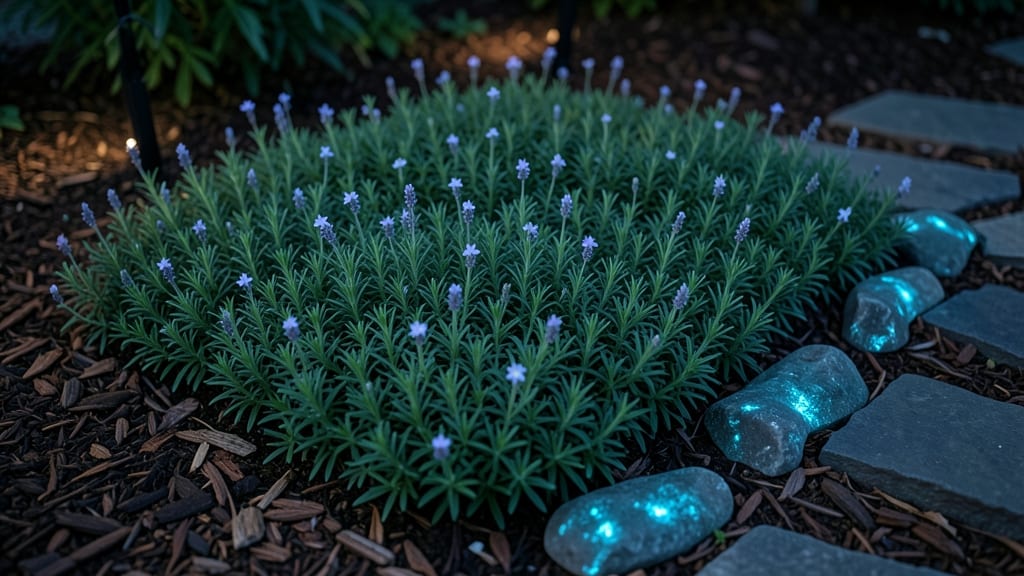
Glow in the dark stones for gardens absorb sunlight during daylight hours and emit soft illumination at night for up to 8–12 hours, transforming pathways and landscaping into enchanting nighttime displays. Opt for high-intensity phosphorescent stones to maximize brightness and durability.
These stones harness phosphorescent pigments—like strontium aluminate—that store energy from sunlight and release it gradually after dark. 💫 The glow duration depends on sunlight exposure (minimum 4–6 hours of direct light), ambient temperature (colder nights preserve brightness longer), and stone quality.
For best results, place them in high-traffic areas like garden paths or near water features, where their illumination creates a magical ambiance. Regular cleaning with mild soap and water removes dirt buildup that can dull the glow over time.
Pro tip: Test a few stones in different locations before full installation—some brands vary in intensity, and positioning near reflective surfaces (like metal or glass) can amplify the effect. With proper care, these stones can last years, making them a low-maintenance yet high-impact garden feature.
💡 In This Article
- How Phosphorescent Garden Stones Work and What Affects Their Glow
- Optimal Placement and Maintenance for Long-Lasting Garden Glow
How phosphorescent garden stones work and what affects their glow
Phosphorescent garden stones work through a fascinating chemical process where their pigments—typically strontium aluminate or zinc sulfide—absorb ultraviolet (UV) light from sunlight during the day.
This energy excites electrons in the crystal lattice of the pigment, which then release it gradually as visible light when the stones are in darkness.
The brighter the sunlight (especially between 10 AM and 4 PM), the more energy they store, resulting in a more intense glow at night. 🌞 Strontium aluminate, for example, emits a vibrant blue-green light and can glow for 10-12 hours, while zinc sulfide produces a yellowish hue with slightly shorter duration.
The glow intensity also depends on ambient temperature—colder nights (below 50°F) actually preserve the stored energy longer because the electrons release it more slowly. Conversely, warm or humid conditions can cause the glow to fade faster, sometimes by up to 30% in tropical climates.
Stone quality matters too: lower-grade pigments may contain fillers that reduce brightness or cause uneven glow patterns. For instance, a 1-inch stone with 15% strontium aluminate concentration will outshine a similar-sized stone with only 5% pigment, visible as a 3x brighter illumination after dark.
Sunlight exposure is the single biggest factor in performance—stones need at least 4-6 hours of direct sunlight daily to fully charge. Partial shade can cut glow duration by 50% or more, while full shade may render them nearly useless.
This is why placement near south-facing walls or open garden areas is ideal. The stones' surface texture also plays a role: smoother stones reflect more light, while rough or porous ones may scatter illumination unevenly.
For example, a polished river rock with embedded phosphorescent pigment will glow more uniformly than a rough slate with the same pigment concentration.
Another critical factor is the stone's phosphorescence decay rate, which describes how quickly the glow dims over time. High-quality stones maintain 80% of their peak brightness after 8 hours of darkness, while cheaper alternatives may drop below 50% in the same timeframe.
This decay is influenced by the pigment's afterglow time, measured in hours—strontium aluminate typically offers 10-12 hours, while zinc sulfide ranges from 6-8 hours. The difference becomes noticeable when comparing a well-lit garden path at 10 PM versus 1 AM.
Environmental factors like moisture and dirt also impact performance. Rain can temporarily wash away surface oils that protect the pigment, while accumulated dirt or algae (common in humid climates) creates a dulling layer.
For example, stones placed near a water feature may need cleaning every 2-3 weeks to maintain optimal brightness. The solution? Opt for sealed phosphorescent stones designed for outdoor use—they resist water absorption and last 3-5 years longer than unsealed alternatives.
To maximize glow, consider the stone-to-stone spacing. Placing them 6-12 inches apart creates a continuous illuminated path, while clustering them in 3-5 stone groups near seating areas or plant beds amplifies the visual effect.
The key is balancing coverage with visibility—too close, and the glow blends into one; too far, and the path appears broken. Test layouts during daylight to see how the stones cast shadows and reflect ambient light, which can enhance their nighttime appearance by up to 20%. ✨
Finally, the color temperature of the glow affects perceived brightness. Cooler tones (blue-green) appear more vibrant in low-light conditions, while warmer tones (yellow) can feel softer but may seem dimmer in comparison.
For example, a blue-green stone might measure 5,000 Kelvin in color temperature, making it stand out against dark foliage, whereas a yellow stone at 3,000 Kelvin blends more subtly into nightscapes. Choose based on your garden's aesthetic—cool tones for modern designs, warm tones for rustic or cozy vibes.