
Fertilization
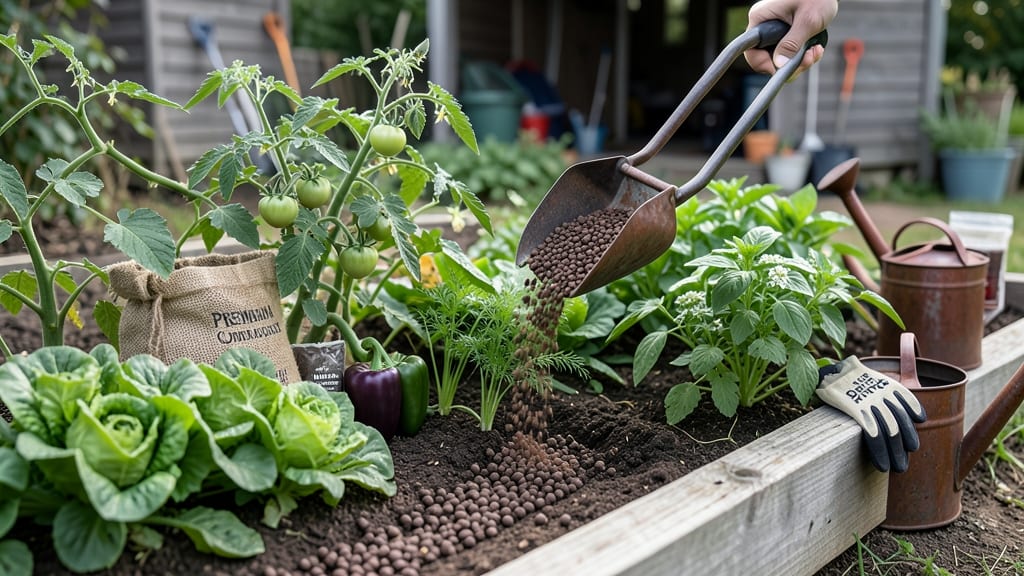
To fertilize your veg garden at the right times means feeding it when plants are hungry—not when they’re already full.
Timing matters more than you think. A little too early, and your nutrients just sit there, wasted. Too late, and your tomatoes or peppers never get the boost they need. The key is knowing when to feed for spring’s first flush of growth and fall’s final push before winter.
Most gardeners overlook the 4-6 week rule—that’s how often you should fertilize once your veggies are actively growing. But there’s a trick to it: leafy greens like spinach need a light feed early, while fruiting crops like peppers crave a phosphorus boost later in the season.
In this guide, I’ll break down the exact schedule for spring and fall, plus the common mistakes that leave your soil—and your harvest—starving. By the end, you’ll know when to hold back and when to feed your 🥬 garden like a pro.

Spring fertilization schedule for vegetable gardens: best times by plant type
Spring is the perfect time to give your vegetable garden a nutrient boost, but timing matters. Applying fertilizer too early or late can lead to wasted resources or even harm your plants.
The key is understanding when each type of vegetable needs nutrients most—whether they're leafy greens, root crops, or fruiting plants. Soil temperatures and growth stages are your best guides, so let's break it down by plant type and timing.
For cool-season crops like lettuce, spinach, and peas, fertilization starts early in spring when soil temperatures reach 40-50°F. These plants grow quickly and need nutrients as soon as they sprout.
Meanwhile, warm-season crops like tomatoes, peppers, and cucumbers wait until soil warms to 60°F or higher—usually after your last frost date. The wrong timing can delay growth or even burn tender roots.
Here’s your plant-specific fertilization schedule for spring, including pre-planting, planting, and early growth stages:
For leafy greens, focus on nitrogen early to encourage lush foliage. A light application of 10-10-10 fertilizer at planting followed by a side-dressing of compost or fish emulsion when plants are 4-6 inches tall works wonders.
These crops thrive in cooler soil, so don’t wait until it’s too warm—40-50°F is ideal for pre-planting prep.
Root crops like carrots and beets are finicky about nitrogen. Too much early on leads to leafy tops but small roots. Instead, use compost or low-nitrogen fertilizer at planting and switch to phosphorus-rich options (like 5-10-10) when you thin seedlings. The goal is strong root development, not bushy tops.
When it comes to fruiting crops, timing is everything. Start with a phosphorus boost (like bone meal) in the soil before planting to encourage root and flower development. At planting, use a 5-10-10 fertilizer, and once flowers appear, switch to a high-phosphorus fertilizer (10-20-10) to support fruit set.
Wait until soil temperatures hit 60°F or higher—these plants won’t thrive in cold soil.
One of the biggest mistakes gardeners make is fertilizing too late in the season. For example, adding nitrogen-heavy fertilizer to tomatoes in late summer can lead to excessive leaf growth instead of fruit production.
Always stop fertilizing 4-6 weeks before your first frost to let plants harden off naturally. For most gardens in USDA Zone 6a, that means no more fertilizer after mid-August.
Pro tip: Always water your plants deeply before and after fertilizing. This helps nutrients penetrate the soil and prevents root burn. Early morning is the best time to fertilize—it gives plants time to absorb nutrients before the heat of the day.
And if your soil feels compacted or lacks organic matter, amend it with compost before applying any synthetic fertilizers.
Finally, pay attention to your plants’ color and growth patterns. Yellowing leaves can signal nitrogen deficiency, while stunted growth might mean phosphorus is lacking. Adjust your fertilization plan accordingly, and don’t be afraid to test your soil in early spring.
A simple soil test kit (available at garden centers) can save you from guessing—and wasted money on the wrong nutrients.
Fall fertilization secrets: how to boost next year’s harvest before winter
Fall is the perfect time to give your vegetable garden a head start for next season. When you fertilize in late summer or early fall, you’re not just feeding current plants—you’re strengthening their root systems and building soil fertility for early spring growth.
This 6-8 week window before your first frost allows nutrients to work their magic without encouraging late-season growth that won’t survive winter.
Think of fall fertilization as a nutrient bank account for your garden. By adding compost, organic matter, or slow-release fertilizers now, you’re ensuring your plants have the phosphorus and potassium they need to establish strong roots.
This is especially critical for root crops like carrots and perennials like asparagus, which will rely on these reserves when they sprout in spring.
⚠️ WARNING: Timing is Everything! When to fertilize your veg garden in fall depends on your first frost date. Applying fertilizer too late—within 4-6 weeks of frost—can stimulate tender new growth that won’t survive winter.
Instead, aim to fertilize 6-8 weeks before frost (typically late August to early October in most climates). For example, if your first frost is October 15th, your last fertilization should be around September 1st. This timing ensures nutrients are absorbed but growth slows naturally as temperatures drop.
Not all plants benefit equally from fall fertilization. Root vegetables like beets, carrots, and potatoes will store nutrients in their roots over winter, giving you a jumpstart in spring. Perennials like onions, garlic, and asparagus also thrive with fall feeding, as they’ll use these nutrients to establish deeper root systems.
However, annual vegetables like tomatoes and peppers (which die back in winter) don’t need fall fertilization—they’ll rely on spring feeding instead.
For best results, choose a balanced fertilizer (like 10-10-10) or one higher in phosphorus (like 5-10-10) to encourage root development. Organic options such as composted manure, bone meal, or kelp meal are excellent choices because they release nutrients slowly.
Spread a thin layer (about 1/4 inch) over the soil surface and lightly work it into the top 2-3 inches of soil. Avoid heavy applications, as excess nutrients can burn plant roots or leach into groundwater.
Mulching after fertilization is a game-changer. Apply a 2-3 inch layer of straw or shredded leaves to protect the soil from erosion, retain moisture, and regulate temperature. This mulch layer also helps break down organic matter over winter, making nutrients more available when your plants need them in spring.
Just be sure to pull back the mulch slightly from plant stems to prevent rot.
One common mistake is assuming all plants need the same fall treatment. Over-fertilizing leafy greens like lettuce or spinach in fall can lead to bitter flavors and weak stems. Instead, focus on root crops and perennials, and skip fertilization for plants that won’t overwinter.
Always water thoroughly after fertilizing to help nutrients penetrate the soil—this is especially important in dry fall conditions. With the right approach, your fall fertilization will pay off with healthier plants and bigger harvests next year.