
Size
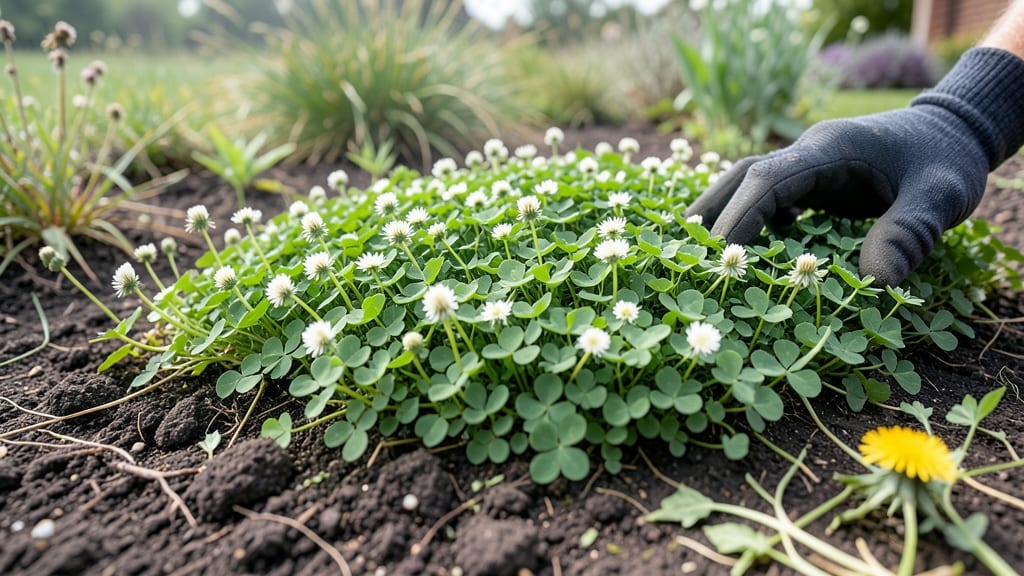
To grow a garden blanket, layer organic materials like cardboard, straw, and compost to block weeds, hold moisture, and enrich soil naturally over time. This hands-off method improves garden vitality without heavy tilling.
Creating a garden blanket is like building a living mulch system that works for you—no digging required! 🌱 The key is balancing materials that decompose at different rates: fast (grass clippings) for immediate weed suppression, medium (straw or leaves) for moisture retention, and slow (cardboard or compost) to feed soil microbes over months.
I’ve found that a 3-4 inch thick layer works best in most climates, though hotter regions may need extra moisture-holding layers like coconut coir. The magic happens as these materials break down, releasing nutrients while blocking sunlight from weed seeds.
One common mistake is using treated paper or plastic—these can leach chemicals or suffocate soil life. Instead, opt for untreated cardboard (ink-side down) and locally sourced organic matter. For example, wood chips work well in dry areas, while fresh compost speeds up soil enrichment.
The best part? This method cuts down on weeding time by up to 70% while improving your soil’s structure naturally.
💡 In This Article
- How to Build a Multi-Layered Garden Blanket
- Best Organic Materials for a Sustainable Garden Blanket
How to build a multi-layered garden blanket
The foundation of an effective garden blanket starts with a 2-3 inch base layer of cardboard or thick newspaper (ink-side down) to block light from weed seeds.
This layer acts like a weed barrier, preventing germination while allowing water and air to penetrate. 🌱 The key is using untreated materials—cardboard without plastic coatings or chemical treatments ensures no harmful residues enter your soil.
I recommend cutting cardboard into 12x18 inch sections for easy handling, especially in larger garden beds.
Next, add a 1-2 inch layer of carbon-rich materials like dry leaves or straw to create air pockets that prevent compaction. These materials break down slowly, releasing nutrients over months while maintaining soil structure.
For faster decomposition (ideal for spring planting), mix in fresh grass clippings or coffee grounds—both add nitrogen, which balances the carbon-rich layers. The decomposition process generates heat, which can kill weed seeds and pests naturally, a phenomenon called "thermophilic composting" when done right.
Top it off with a 1-2 inch layer of mulch or compost to retain moisture and provide immediate nutrients. Wood chips or straw work well for dry climates, while compost speeds up soil enrichment.
In hotter regions, consider adding a thin layer of coconut coir—it holds 4-5 times its weight in water, reducing irrigation needs by up to 30%. The total thickness should be 3-4 inches for optimal weed suppression, though adjust based on your climate and soil type.
Seasonal adjustments are crucial: in winter, add extra mulch to insulate soil, while in summer, prioritize moisture-retaining materials.
For example, a 4-inch blanket in summer might include 50% compost, 30% straw, and 20% wood chips, whereas winter layers could be 60% leaves, 20% cardboard, and 20% straw to protect roots.
The goal is to mimic natural forest floor conditions, where fallen leaves and branches slowly decompose to create fertile soil.
One pro tip: water the layers thoroughly before adding plants to help materials settle and prevent air gaps. Over time, the blanket will break down, enriching the soil with organic matter and reducing the need for synthetic fertilizers.
This method isn’t just about weed control—it’s about building a self-sustaining ecosystem that works with nature, not against it. 🌿