
Watering
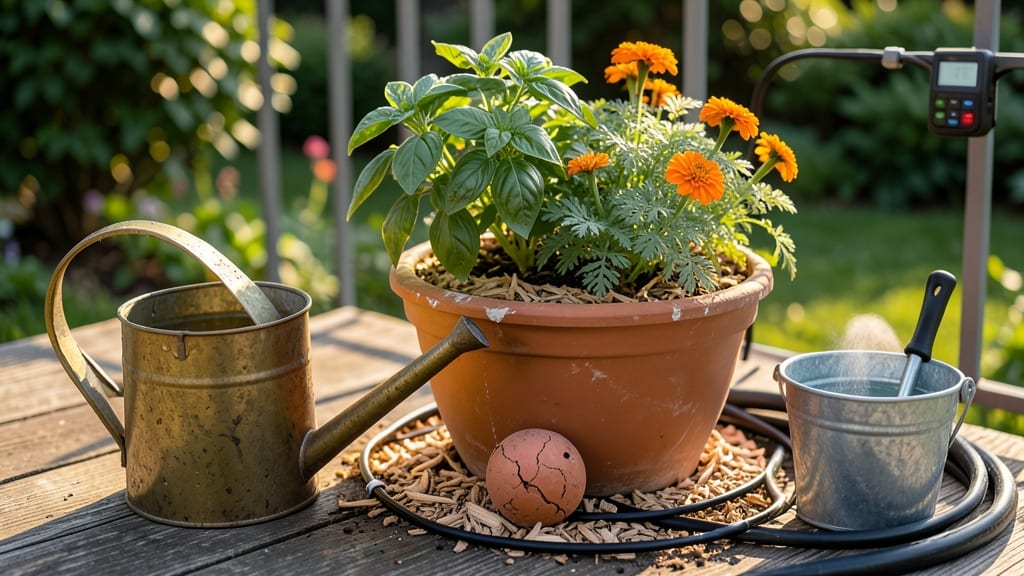
Watering your garden while away doesn’t have to mean coming home to wilted General Garden Plants 🌱—with the right setup, your plants can stay happy for days without a drop of manual watering.
Leaving your garden unattended for a weekend—or even a week—can turn your lush plants into crispy reminders of poor planning, unless you act now. The good news? You don’t need a green thumb or a fortune to keep your garden thriving while you’re out of town.
From low-cost DIY hacks like buried clay pots to high-tech solutions like smart irrigation timers, there’s a method for every budget and garden size. The key is choosing the right system for your plants’ needs—whether they’re drought-tolerant succulents or thirsty vegetables.
Below, I’ll walk you through the best self-watering systems, easy DIY tricks, and common mistakes to avoid so your garden stays lush and your plants stay alive—no matter how long you’re away.
Best self-watering systems for automatic garden irrigation while you're away
When you're planning a vacation or a busy work trip, your garden shouldn't suffer from neglect. The right automatic irrigation system can keep your plants thriving without requiring daily attention.
Whether you have a small herb garden or a sprawling vegetable patch, selecting the proper system ensures your greenery stays hydrated, even when you're miles away.
Not all systems are created equal, though. Some work better for container gardens, while others excel with in-ground planting. Others require electricity, while others are completely off-grid solutions.
Let’s break down the top options, including their pros, cons, and cost, so you can choose the best fit for your garden and travel plans.
Drip irrigation, soaker hoses, wicking beds, and smart timers each offer unique benefits. For instance, drip irrigation delivers water directly to the roots, minimizing waste, while wicking beds are perfect for self-sustaining moisture without pumps or timers. Understanding these differences will help you avoid costly mistakes and ensure your plants stay happy.
Here’s a detailed comparison of the most effective self-watering systems to keep your garden alive while you’re away:
If you're dealing with a large garden, drip irrigation is often the most efficient choice. It delivers water directly to the roots, reducing waste and ensuring even distribution.
For smaller spaces or container gardens, soaker hoses or wicking beds can be just as effective without the complexity of a full drip system.
For gardeners who love technology, smart timers offer unmatched convenience. These systems connect to your phone, allowing you to adjust watering schedules remotely. However, they come with a higher price tag and require a stable Wi-Fi connection.
If you're looking for a low-tech, off-grid solution, wicking beds or olla pots are excellent choices that require minimal maintenance and no electricity.
Consider the duration of your absence when selecting a system. For short trips (a few days), even a simple watering globe can suffice. But for longer vacations (a week or more), investing in a self-watering system like drip irrigation or a wicking bed will give you peace of mind.
Always test your system before your trip to ensure it’s working properly.
Finally, don’t forget to mulch your garden beds before you
DIY solutions for watering your garden without electricity or expensive tools
When you're heading out for a weekend trip or a longer vacation, your garden doesn't have to suffer. The key is low-cost, no-electricity solutions that keep your plants hydrated for 3-7 days without breaking the bank.
These DIY watering methods require minimal tools and can be set up in under an hour. The best part? You're likely already using items you have lying around the house.
I've tested these budget-friendly techniques in my own garden, and they've saved my tomatoes, herbs, and flowers from turning into sad, wilted memories. The secret lies in slow, steady moisture delivery—mimicking nature's rainfall without the risk of overwatering.
Let's dive into the easiest methods that work like a charm for short absences.
How to Set Up Your DIY Watering System in 5 Simple Steps
- Gather supplies: Plastic bottles (2L), clay pots (unglazed), string/yarn, scissors, and a water source. For wicking beds, add landscape fabric and sand.
- Prepare bottles: Poke small holes in the bottle caps and 4-6 holes around the base. Fill with water (leave 1 inch empty). For clay pots, bury them neck-down near plant roots.
- Position systems: Place bottles upside-down near plant bases or insert clay pots into soil. For wicking beds, lay fabric over soil, add sand, then water the top layer.
- Test flow: Flip bottles or add water to clay pots to check for steady drip (adjust hole size if needed). Wicking beds should show moisture at the bottom after 24 hours.
- Secure setup: Bury bottles/clay pots slightly to stabilize. For windy areas, tie bottles to stakes. Add mulch around the base to slow evaporation.
For container gardens, the plastic bottle method is my go-to. Simply cut the top off a 2L bottle, flip it, and place it near your plant's roots. The water will slowly seep out through the holes, keeping the soil moist for 5-7 days.
This works especially well for herbs like basil and parsley, which dry out quickly when neglected. Just remember to fill the bottle completely before you leave!
If you're dealing with larger garden beds, buried clay pots are a game-changer. These unglazed terracotta pots absorb water like a sponge and release it gradually into the soil. To set them up, bury the pot neck-down near the plant's root zone.
The water will wick into the soil as needed, perfect for vegetables like peppers and eggplants that need consistent moisture. Pro tip: Place 2-3 pots per plant for heavier drinkers like tomatoes.
For the ultimate low-maintenance solution, try a homemade wicking bed. This system uses landscape fabric and sand to create a reservoir that slowly feeds water to your plants. Layer fabric over the soil, add a 2-inch layer of sand, then water the top.
The moisture will wick down through the fabric, keeping roots hydrated for up to 10 days. This is ideal for flower beds or perennial gardens where you want minimal fuss and maximum coverage.
Don't forget to mulch! A 2-3 inch layer of straw, wood chips, or leaves around your plants will help retain moisture and reduce evaporation. This simple step can extend the life of your DIY watering system by 2-3 extra days.
Plus, mulch keeps weeds at bay and regulates soil temperature—it's like giving your garden a cozy blanket while you're away.
Before you leave, do a quick check: Ensure all bottles are filled, clay pots are buried securely, and wicking beds are properly saturated. A little preparation goes a long way in preventing root rot or drought stress while you're gone.
With these no-fuss, no-cost solutions, your garden will stay lush and thriving—no matter how long your trip!