
How To
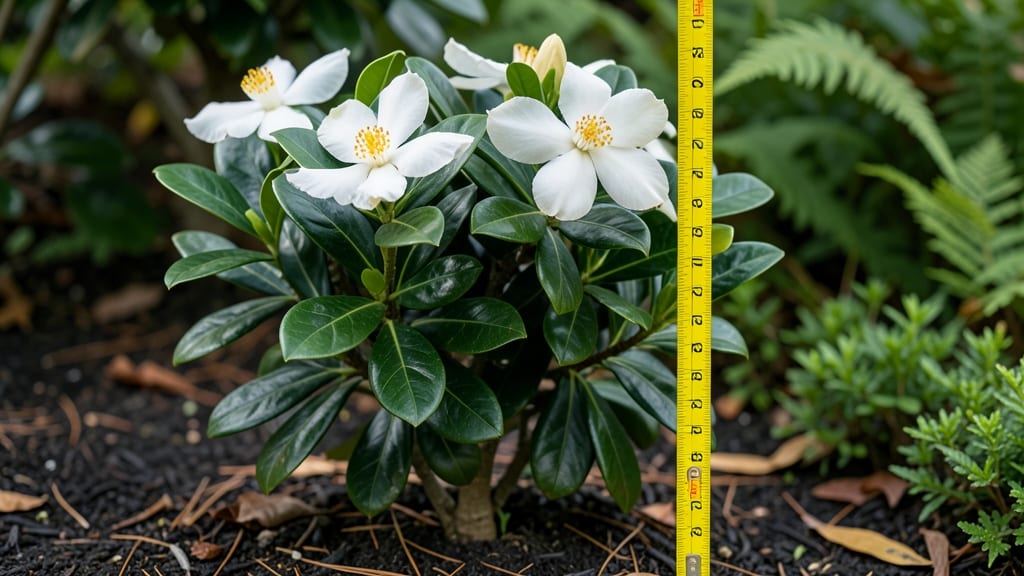
Gardenias grow anywhere from 1 to 12 feet tall depending on the variety, and knowing the exact size your plant will reach is the key to planning your garden layout.
Imagine this: you’ve just planted a fragrant 🌸 gardenia in your backyard, only to realize in a few years it’s towering over your patio furniture or crowding out other plants.
The good news? Some varieties stay compact, while others reach small tree heights—so choosing the right one (or pruning strategically) makes all the difference.
Most gardenias mature between 4 and 6 feet, but dwarf varieties like ‘Radicans’ stay under 3 feet, making them perfect for containers or small gardens. Meanwhile, standard types like ‘Kleim’s Hardy’ can stretch toward 10 feet if left unchecked.
Below, we’ll break down how to pick the right size for your space and keep it thriving.
Ready to discover the best varieties for your garden’s height limits? You’ll also learn how pruning, sunlight, and soil pH can influence growth—so you can shape your gardenia exactly how you want it.


Gardenia height by variety: from dwarf to giant sizes
Choosing the right gardenia variety isn’t just about fragrance—it’s about space planning. Some varieties stay compact enough for container gardens, while others need room to grow into tall hedges.
The key is matching your garden’s layout to the plant’s mature height, which can vary by 3 to 5 feet between dwarf and giant types.
Most gardenias thrive in USDA Zones 7-10, where they bloom prolifically. However, their height potential depends on pruning habits, soil acidity, and sunlight exposure.
For example, a Kleim’s Hardy Gardenia can stretch to 6 feet in ideal conditions, while a Radicans Gardenia stays under 3 feet without aggressive pruning.
Below is a breakdown of popular gardenia varieties, their typical mature heights, and the care conditions that influence their growth. Whether you’re designing a small courtyard or a large landscape, this guide helps you pick the perfect size for your space.
If you’re growing gardenias in containers, dwarf varieties like Veitchii are ideal—they rarely exceed 3 feet and thrive in 15-gallon pots. For landscape hedges, the Fortuniana variety can reach 10 feet with minimal pruning, making it perfect for privacy screens.
For bushier growth, prune in late winter before new shoots emerge. This encourages multiple branches and prevents leggy stems. Avoid heavy pruning in summer, as it can stress the plant and reduce blooming potential.
Soil acidity plays a huge role in height control. Gardenias need acidic soil (pH 5.0–6.5). If your soil is alkaline, amend it with peat moss or sulfur to prevent stunted growth. A soil test before planting ensures your gardenias reach their full height potential.
In cooler climates (Zones 6–7), gardenias like Kleim’s Hardy may grow 1–2 feet taller than in warmer zones due to extended growing seasons. Always check your local frost dates to time planting for maximum growth.
For indoor gardeners, varieties like Radicans
How to control gardenia height through pruning & training
Pruning your gardenia isn’t just about keeping it tidy—it’s the secret to controlling its height while encouraging lush blooms and fuller growth. Whether you want a compact bushy gardenia for containers or a taller specimen for borders, the right techniques make all the difference.
The key is timing, tools, and knowing where to cut to avoid damaging the plant’s natural shape.
Gardenias respond best to light pruning after their blooming season, typically in late summer or early fall. This timing ensures you don’t remove next year’s flower buds, which form on new wood.
For dramatic height control, you can prune more aggressively in early spring, but this may delay blooming until mid-summer. Always use sharp, sterilized shears to prevent disease and make clean cuts.
✂️ Step-by-Step Pruning Guide for Gardenia Height Control
- Step 1: Assess Your Goal
- Measure your gardenia’s current height and decide your target (e.g., 3 ft for containers, 5 ft for borders).
- Step 2: Prune for Bushiness
- Cut back 1/3 of the tallest stems just above a leaf node or outward-facing bud to encourage branching.
- Step 3: Control Height
- For taller gardenias, trim only the top 2-3 inches to maintain shape without stunting growth.
- For shorter gardenias, prune halfway down on the tallest stems to force new growth lower.
- Step 4: Shape for Balance
- Remove crossing or inward-growing branches to improve airflow and sunlight penetration.
- Step 5: Clean Up
- Dispose of pruned branches away from the garden to prevent pests or diseases from spreading.
To encourage bushier growth without sacrificing blooms, focus on selective pruning—never cut more than 25% of the plant in one session. Thin out crowded stems to reduce competition for nutrients, and always prune just above a leaf node or bud to promote new shoots.
Avoid top-heavy cuts, which can weaken the plant and lead to fewer flowers.
Safety is just as important as technique. Wear gloves to protect your skin from the plant’s mildly irritating sap, and disinfect your shears with rubbing alcohol between cuts to prevent the spread of bacteria.
If your gardenia is overgrown, prune in stages over 2-3 weeks to avoid shocking the plant. Pair pruning with a balanced fertilizer (like 10-10-10) to support recovery and blooming.
For container gardenias, prune more frequently—every 4-6 weeks during the growing season—to maintain compact size. In-ground gardenias can handle annual pruning, but monitor their growth closely. Remember, patience pays off: gardenias pruned correctly will reward you with denser foliage and more abundant blooms year after year.
With the right approach, you can train your gardenia to fit your space perfectly—whether that’s a small patio, a sunny border, or even as a bonsai-style specimen. The key is consistency, so mark your pruning schedule and stick to it! 🌸