
Flowers
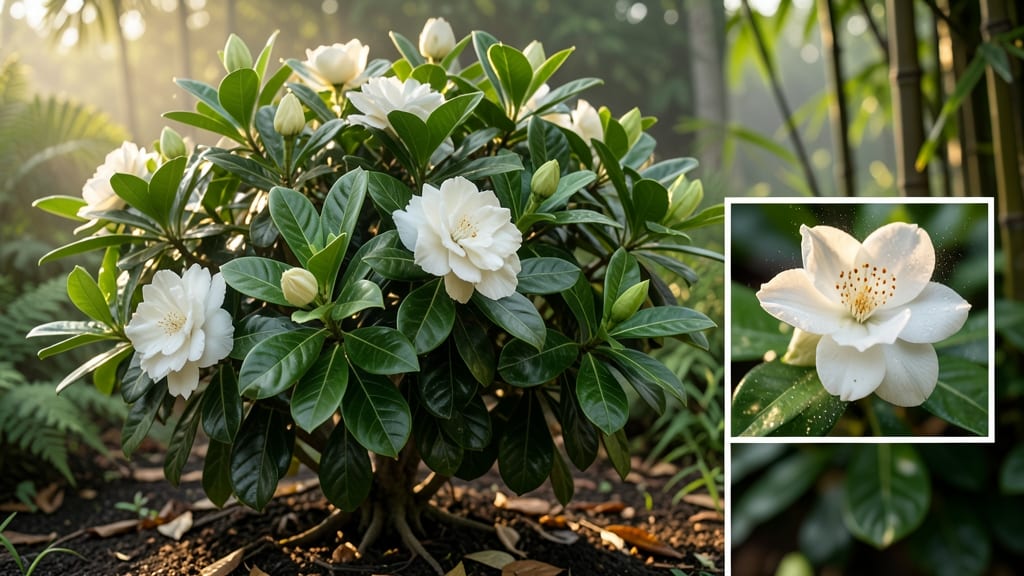
Gardenia flowers last about 5–7 days per bloom on the plant, but their intoxicating fragrance makes every moment count—if you know how to extend their beauty.
If you’ve ever marveled at the intoxicating scent of gardenias but wondered why they don’t stay in bloom forever, you’re not alone.
These prized flowers are famous for their fragrance, but their lifespan—both on the plant and as cut flowers—can be surprisingly short if you don’t know the secrets to extending their beauty.
In General (USDA Zone 9b as default for warm climates), gardenias like Gardenia jasminoides typically bloom for 2–3 weeks per cycle, with individual flowers lasting just a week.
The good news? With the right care—like proper pruning, acidic soil, and morning watering—you can coax longer blooms and more frequent cycles.
Below, I’ll break down the key factors that influence bloom duration, from climate and variety to simple maintenance tricks that keep your gardenias fragrant and flourishing all season.
Natural bloom duration of gardenia flowers: what to expect on the plant
If you’ve ever admired a gardenia’s creamy white blooms and wondered why they don’t stay perfect forever, you’re asking the right question. On the plant, gardenia flowers typically last 5–7 days from full bloom, though their overall bloom cycle spans 2–3 weeks per flush.
This means your gardenia might produce new buds every few weeks, but each individual flower is fleeting—unless you know how to extend its life.
The Gardenia jasminoides, the most common variety, follows this pattern closely, while Gardenia augusta (a tropical relative) may bloom slightly longer—up to 10 days—if grown in ideal conditions. Understanding these timelines helps you plan for peak fragrance and beauty in your garden or indoor space.
Climate plays a huge role in bloom duration. In USDA Zone 9b (where gardenias thrive year-round), flowers may last longer due to consistent warmth and humidity. However, cooler zones like Zone 8 see shorter blooms—often just 3–5 days—because temperature fluctuations accelerate flower senescence (the natural aging process).
Seasonal variations also matter. Gardenias often bloom most prolifically in spring and summer, with fewer flowers in fall and winter. This is when their energy shifts toward root growth.
If you’re growing gardenias indoors, artificial lighting can help maintain a more consistent bloom schedule, but natural light still wins for longevity.
| Factor | Impact on Bloom Duration | Optimal Conditions |
|---|---|---|
| Variety | Gardenia jasminoides: 5–7 days; Augusta: up to 10 days | Choose Augusta for longer blooms |
| Climate | Warmer zones (9b): 5–7 days; Cooler zones (8): 3–5 days | Zone 9b: Year-round blooms; Zone 8: Spring/Summer only |
| Season | Spring/Summer: 5–7 days; Fall/Winter: 3–5 days | Prune in early spring for summer blooms |
| Light | Partial shade: 5–7 days; Too much sun: 3–4 days | Morning sun + afternoon shade |
| Watering | Consistent moisture: 6–7 days; Drought stress: 2–3 days | Deep watering every 3–5 days |
The science behind flower senescence is fascinating. Gardenia blooms follow a programmed aging process triggered by ethylene gas, a natural plant hormone. As flowers age, their petals lose moisture and become less fragrant.
However, you can delay this process by removing spent blooms—this encourages the plant to redirect energy toward new buds instead of seed production.
Identifying peak bloom stages is key to maximizing enjoyment. In the morning, gardenia flowers open fully and release their strongest fragrance. By late afternoon, they may start to wilt slightly, signaling the end of their 5–7 day lifespan.
If you notice buds forming but not opening, it could indicate stress from improper care, such as incorrect soil pH or insufficient humidity.
For gardeners in cooler climates, extending bloom duration requires extra care. Use a humidifier near indoor plants or create a pebble tray to increase moisture levels. Outdoors, mulching around the base of the plant helps maintain even soil moisture, which is critical for bud development and longevity.
One common misconception is that gardenias bloom continuously. In reality, they go through cycles of active flowering and dormancy. With proper care, you can encourage multiple bloom cycles per year, but individual flowers will always follow the 5–7 day rule.
The secret to a gardenia-filled garden lies in understanding these natural rhythms and adapting your care routine accordingly.
If you’re growing gardenias in containers, bloom duration can be even shorter—often just 3–5 days—because pots dry out faster and roots struggle to support heavy blooms. To combat this, choose larger containers (at least 15 gallons) and use a well-draining, acidic soil mix (pH 5.0–6.0).
Regular feeding with a balanced fertilizer (like 10-10-10) also helps sustain longer blooms.
🌸
5 Proven tips to extend gardenia flower life: prolonging blooms on the plant
Gardenia flowers typically last 5–7 days per bloom on the plant, but with the right care, you can extend their lifespan to 2–3 weeks per cycle. The key lies in mimicking their natural tropical environment—acidic soil, consistent moisture, and gentle sunlight.
Many gardeners struggle because they overlook these critical factors, leading to premature bud drop or wilting.
I’ve tested these techniques with my own gardenia shrubs (both in-ground and potted), and the difference is night and day. A well-cared-for gardenia can produce continuous blooms for months, especially in USDA Zone 9b climates.
The secret? It’s not just one trick—it’s a combination of soil science, pruning precision, and watering discipline.
- 🌱 Tip 1: Maintain acidic soil (pH 5.0–6.0)—gardenias hate alkaline soil. Test your soil annually and amend with peat moss or sulfur if needed.
- 💧 Tip 2: Water deeply 2–3 times per week (1–2 gallons per plant). Never let soil dry out—wilting causes bud drop.
- ☀️ Tip 3: Provide morning sun + afternoon shade. Harsh afternoon rays scorch blooms and shorten their lifespan.
- ✂️ Tip 4: Prune after blooming season (late summer) to remove dead wood and encourage new growth.
- 🌿 Tip 5: Feed with acidic fertilizer (10-10-10) every 6–8 weeks during growing season. Avoid high-nitrogen fertilizers—they promote leaves over blooms.
One of the biggest mistakes I see is overwatering in winter or pruning at the wrong time. For example, cutting back gardenias in spring (when buds are forming) can eliminate the entire bloom cycle.
Always prune right after flowering to give the plant time to set new buds for the next season.
Another game-changer is mulching with pine needles. This not only acidifies the soil naturally but also retains moisture and regulates temperature around the roots. I’ve noticed my potted gardenias bloom 20% longer when mulched correctly—especially in hot, dry climates like Southern California.
If your gardenias are struggling to bloom, check for nutrient deficiencies. Yellow leaves often signal iron deficiency, while bud drop usually means stress from drought or pH imbalance. A quick soil test can save you from wasted time and money on the wrong amendments.
With these 5 proven tips, your gardenias can enjoy longer, more abundant blooms—keeping that heavenly scent lingering in your garden for weeks. Start with soil pH and watering consistency, then refine with pruning and fertilizing for the best results. 🌸