
How To
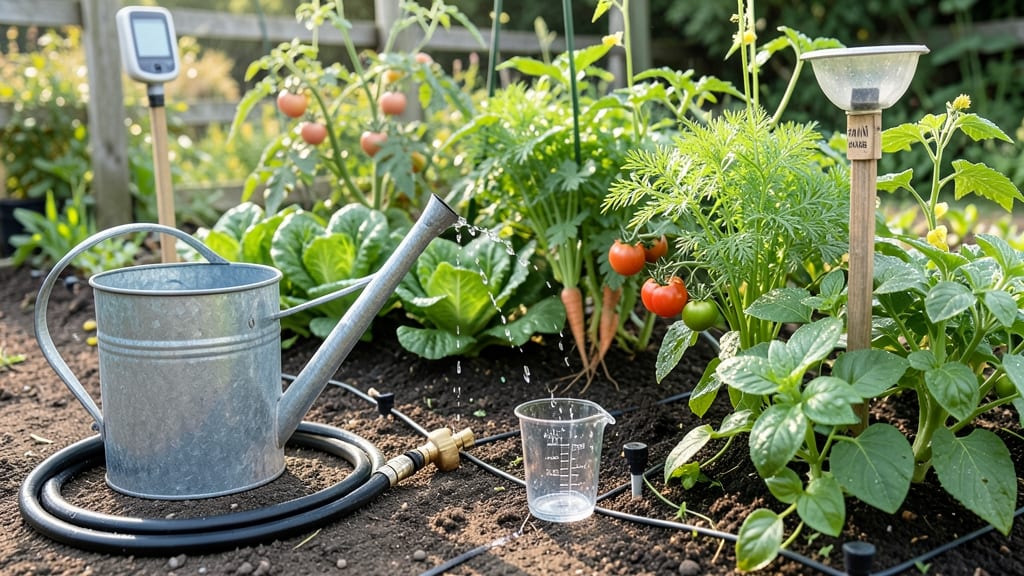
To water a vegetable garden properly, aim for deep, consistent soaks that reach 6-12 inches into the soil—this is the key to healthy roots and bountiful harvests 🥬.
Overwatering or underwatering your vegetable garden can mean the difference between a thriving harvest and wasted effort—yet most gardeners struggle to pinpoint the exact watering duration their plants truly need.
Why does it matter so much? Because soil type, plant needs, and even the time of day can change how long you should water.
For example, clay soil holds moisture longer than sandy soil, so your watering schedule might need to adjust from 10 minutes to 30 minutes depending on what you're growing.
Below, I’ll break down a soil-based schedule, share signs your garden is thirsty (or drowning), and reveal the best times of day to water for maximum efficiency—so you can stop guessing and start growing with confidence.
Soil-type watering duration guide: how long to water based on clay, sandy, OR loamy soil
Your vegetable garden's soil type determines how long you should water—clay holds moisture for hours, while sandy soil drains in minutes. Loamy soil, the happy medium, balances absorption and drainage perfectly.
Understanding these differences helps you avoid root rot from overwatering or wilting from underwatering, both of which can ruin your harvest.
Most gardeners water based on guesswork, but soil texture dictates watering duration. For example, sandy soil may need 30 minutes daily, while clay soil might only require 10 minutes every other day.
The key is deep watering techniques that encourage roots to grow downward, not just surface-level hydration.
Before adjusting your watering schedule, test your soil's drainage by pouring 1 gallon of water onto a bare patch. If it drains within 15 minutes, you likely have sandy or loamy soil.
If water pools for hours, you're dealing with clay-heavy soil. This simple test saves you from overwatering or underwatering mistakes.
For clay soil, long watering sessions aren't necessary because it retains moisture like a sponge. Instead, focus on deep watering every 2-3 days to encourage roots to penetrate deeper.
If your soil feels sticky when wet, you're likely overwatering—adjust to shorter sessions and let the soil dry slightly between waterings.
In sandy soil, water drains so quickly that 30-minute sessions may still leave roots thirsty. To combat this, water in the early morning to minimize evaporation and apply a 2-inch layer of mulch to lock in moisture.
Sandy soil gardeners often need to water twice daily in peak summer heat.
Loamy soil is the gold standard for vegetables because it drains well but retains enough moisture for roots. Aim for 10-15 minutes per session and adjust based on rainfall. If you notice surface crusting, it's a sign your loamy soil is drying too quickly—add compost to improve water retention.
Deep watering is critical for all soil types, but the technique varies. For clay soil, use a soaker hose to deliver water slowly and evenly. In sandy soil, a drip irrigation system ensures water reaches roots without running off.
Loamy soil benefits from both methods—alternate between soaker hoses and occasional deep watering with a garden hose.
Signs of overwatering include yellowing leaves, mold growth, or a foul smell from the soil. If you see these, reduce watering duration by 30% and let the soil dry out between sessions.
For underwatering, look for wilting leaves that don’t perk up after watering or dry, cracked soil. Increase duration gradually to avoid shocking the roots.
Adjust your watering schedule seasonally—summer heat increases evaporation, so sandy soil may need 50% longer sessions in July compared to May. In winter, reduce duration by half unless you're growing cold-hardy crops like kale or carrots. Always check soil moisture 1 inch below the surface before watering.
Pro tip: Use a moisture meter to track soil conditions in real time. For clay soil, aim for 40-50% moisture; sandy soil should stay at 30-40% moisture. Loamy soil thrives at 45-55% moisture. This data-driven approach eliminates guesswork and keeps your vegetable garden thriving all season.
Signs your vegetable garden needs more (or less) water: visual cues to adjust duration
Noticing your tomatoes wilting by noon or your lettuce turning yellow? These are classic signs your watering schedule is off. The key to a thriving vegetable garden lies in recognizing subtle visual cues—like soil moisture levels or leaf texture—that reveal whether your plants are thirsty or drowning.
Unlike ornamental plants, vegetables demand precision, and even a 10-minute difference in watering duration can stress roots or attract pests.
I’ve learned the hard way that guessing watering times leads to wasted resources or stunted growth. For example, my pepper plants once developed black mold because I watered them every evening instead of morning.
The solution? Understanding the visual red flags and adjusting your watering duration based on real-time plant feedback. Let’s break down the most common signals and how to fix them without overcomplicating your routine.
🌱
Watering Duration Fixes for Common Signs
- Wilted leaves (even in morning)
- Dry, crumbly soil 1-2 inches down
- Leaf edges curling upward
⏱️ Action: Increase duration by 5-10 minutes or water 2x daily (morning + evening).
- Yellowing leaves (not from pests)
- Mold or fungus on soil surface
- Puddles lingering >24 hours
⏱️ Action: Reduce duration by 3-7 minutes or space sessions 24+ hours apart.
💡 Pro Tip: Use a moisture meter ($10) to avoid guesswork—aim for 40-60% moisture 2 inches down.
Start by checking the soil moisture before watering. Stick your finger 1-2 inches deep—if it feels dry, your plants need more water. For leafy greens like spinach, aim for 10-15 minutes of watering per session, while root vegetables (carrots, beets) thrive with 20-30 minutes to encourage deep roots.
The goal is to saturate the soil without creating soggy conditions that suffocate roots.
Another trick I use is the "squeeze test": Gently press a leaf between your fingers. If it springs back, your watering duration is spot-on. If it stays limp, increase time by 50% for the next session.
For heatwaves, I double-check by lifting a potato plant—if the soil clumps fall apart, it’s time to water again.
For stubborn issues like blossom-end rot in tomatoes (a classic underwatering sign), adjust your schedule immediately. Cut back on watering duration by 30% and focus on consistent moisture rather than long, infrequent sessions.
Pair this with a mulch layer to retain moisture and reduce evaporation, which can cut your watering time by 20-30%.
💧