
Light Requirements
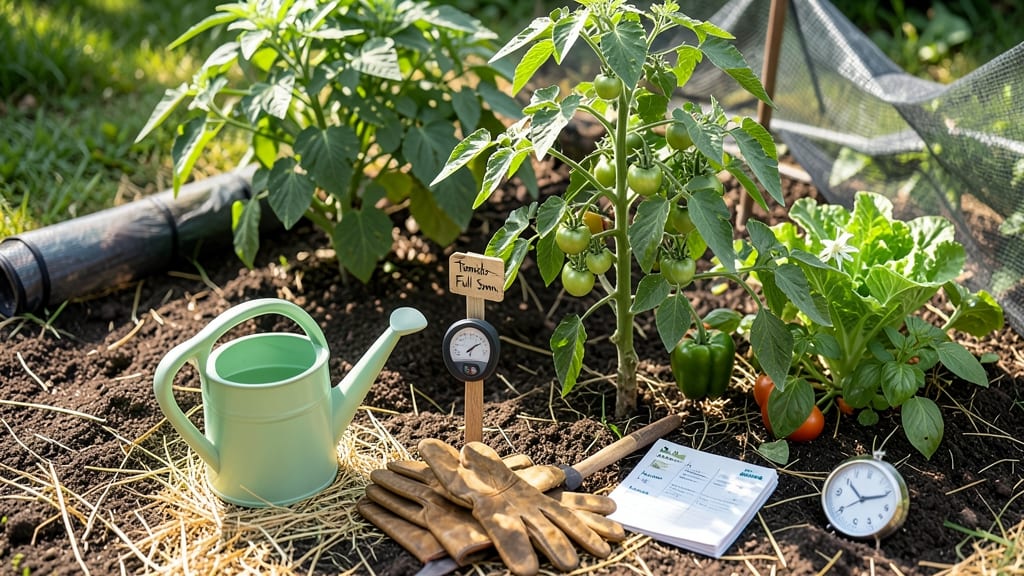
A vegetable garden needs how many hours of sun does a vegetable garden need between 6 and 8 hours daily for most crops to thrive—though some varieties tolerate less, and others demand even more.
Struggling to decide where to plant your 🥬 vegetable garden? Sunlight is the single most critical factor for a bountiful harvest—but too much or too little can ruin your crops. Discover the exact sun requirements for each vegetable type to maximize your garden’s potential.
From sun-loving tomatoes and peppers to shade-friendly lettuce and spinach, understanding these ranges helps you plan your layout for the best results. Whether you’re working with a south-facing plot or a partially shaded corner, knowing how much light each plant needs keeps your garden productive and healthy.
Below, I break down the ideal sunlight ranges by crop, share tips for adjusting exposure, and help you avoid common mistakes that can stunt growth or even kill your plants.


Sunlight requirements by vegetable type: full sun vs partial shade needs
Understanding sunlight requirements for your vegetable garden is like giving your plants the right amount of vitamin D—too little and they’ll languish, too much and they’ll burn. Most vegetables fall into three categories: full sun lovers (6+ hours), partial sun adaptors (3-6 hours), or shade-tolerant varieties (under 3 hours).
Knowing these distinctions ensures your tomatoes thrive while your lettuce doesn’t bolt prematurely.
For example, tomatoes, peppers, and cucumbers crave 8+ hours of direct sunlight to produce heavy yields, while spinach and kale can handle just 3-4 hours and still deliver flavorful harvests.
Even within a single plant family, like basil vs. parsley, the sun needs can vary dramatically. Let’s break down the specifics so you can place every plant in its ideal spot.
| Vegetable | Sunlight Needs | Growth Impact | Best For |
|---|---|---|---|
| Tomatoes | 6–8+ hours | Fruit set & sweetness | Containers, trellises |
| Peppers | 6–8+ hours | Heat & flavor development | Warm climates |
| Cucumbers | 6–8 hours | Vine strength & yield | Trellises, raised beds |
| Basil | 6+ hours | Leaf production & aroma | Pesto, containers |
| Spinach | 3–6 hours | Prevents bolting | Cool seasons |
| Lettuce | 3–6 hours | Leaf tenderness | Shade cloth |
| Parsley | 3–4 hours | Flavor intensity | Partial shade |
| Green Onions | 3–5 hours | Mild flavor | Containers, borders |
| Swiss Chard | 3–6 hours | Color retention | Drought tolerance |
Vegetables like tomatoes and peppers are classic full-sun crops that reward you with sweeter fruits and higher yields when given their preferred 6-8+ hours of sunlight. Without enough sun, they’ll produce small, bland fruits or fail to set fruit altogether.
I’ve seen tomato plants in partial shade struggle to ripen more than a handful of fruits, while those in full sun produce bushels.
On the other hand, leafy greens like spinach and kale fall into the partial sun category (3-6 hours). These crops prioritize leaf production over fruit development, so too much sun can cause them to bolt (send up flowers) or develop bitter flavors. I’ve successfully grown lettuce under dappled
How to measure sunlight in your garden and adjust plant placement
Before you plant a single seed, understanding your garden's sunlight patterns is essential. Not all areas receive equal sunlight, and even a 10-foot difference can create dramatic variations.
I’ve learned the hard way—planting tomatoes in partial shade led to weak stems and poor fruit production. Let’s fix that by analyzing your space like a pro.
Start by observing your yard during the peak growing months (typically June-August in most climates). Use a sunlight tracker or even a simple notebook and pencil to record how sunlight shifts throughout the day.
Morning sun behaves differently from afternoon sun, and shadows move as the sun arcs across the sky.
Here’s how to break it down step-by-step:
🌞 Step-by-Step Sunlight Assessment
- Step 1
- Step 2
- Step 3
- Step 4
- Step 5
Once you’ve mapped your garden, group plants by their sunlight needs. For example, place carrots and radishes in areas with 3-6 hours of sun, while cucumbers and squash thrive with 6-8+ hours.
If your space is limited, consider vertical gardening—trellises can turn a shady corner into prime real estate for vining plants like pole beans or cucumbers.
Don’t forget to account for nearby structures like fences or trees. A 6-foot oak tree can cast a 20-foot shadow on a sunny day, so plan your layout accordingly. If you’re working with container gardening, rotate pots weekly to ensure even light exposure.
Pro tip: Use light-colored containers to reflect extra sunlight onto neighboring plants. And if you’re still unsure, start with fast-growing test crops like radishes or lettuce—they’ll quickly show you whether your sunlight estimates are accurate.