
Watering
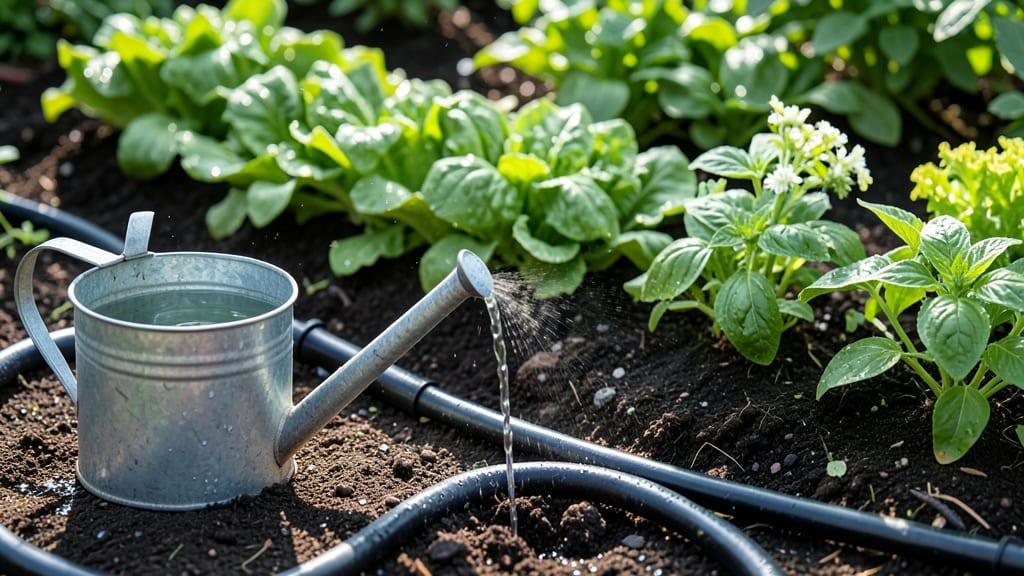
You need to water your garden based on soil type, weather, and plant needs—not just a set schedule.
Struggling to keep your garden thriving without overwatering or underwatering? The frequency you water depends more on your soil type than you might think—and getting it wrong can mean wasted effort or lost plants.
Sandy soil dries out in hours, while clay holds moisture for days. Even the same plants behave differently depending on where they’re planted.
This guide breaks down the science behind moisture balance, so you can stop guessing and start watering with confidence. We’ll cover how often to water based on your soil, how to tell if your garden is thirsty or drowning, and how to adjust for heatwaves, rain, or seasonal shifts.
By the end, you’ll know exactly when to reach for the hose—or skip it entirely. No more soggy roots or wilting leaves!
Watering frequency by soil type: the science behind moisture retention
Your garden's soil type is the secret weapon for perfect watering—getting it wrong means either wasted water or struggling plants. Clay holds moisture like a sponge, while sandy soil drains faster than a sieve. Understanding these differences lets you tailor your watering schedule for optimal plant health without guesswork.
Soil isn't just dirt—it's a complex mix of minerals, organic matter, and air spaces that determine how quickly water drains or evaporates. Clay soils swell when wet and crack when dry, while sandy soils feel gritty and dry out in hours.
Even loamy soil, the gardener's gold standard, behaves differently in summer heat versus winter chill.
| Soil Type | Water Retention | Drainage Speed | Ideal Watering Frequency | Key Adjustments |
|---|---|---|---|---|
| Clay | High (holds 40-60% water) | Slow (2-4 hours to drain) | Every 5-7 days (deep soak) | Add organic matter to improve drainage |
| Sandy | Low (holds 10-30% water) | Fast (minutes to drain) | Every 2-3 days (light frequent) | Mulch heavily to retain moisture |
| Loamy | Moderate (30-40% water) | Balanced (1-3 hours to drain) | Every 3-5 days (adjust seasonally) | Perfect for most garden plants |
| Rocky | Very Low (5-15% water) | Extreme (instant drainage) | Every 1-2 days (drip irrigation best) | Amend with compost in cracks |
Clay soil's high moisture retention means you only need to water deeply every 5-7 days, but the challenge is preventing waterlogging. I've seen tomato plants drown in heavy clay if not amended with compost—always test by sticking your finger 2 inches deep before watering again.
Sandy soil, on the other hand, drains so quickly that plants like zucchini or peppers need daily watering in summer heat. The key here is mulching with straw to slow evaporation—think of it as giving your soil a moisture-retaining blanket.
Loamy soil strikes the perfect balance, which is why it's the gold standard for vegetable gardens. With its ideal mix of minerals and organic matter, you can water every 3-5 days while still giving roots room to breathe.
This is where drip irrigation shines—it delivers water slowly at the root zone.
Rocky soils are the wildcard of watering schedules. Water drains so fast that even drought-tolerant succulents struggle without frequent top-ups. My solution? I install soaker hoses along planting beds to deliver a steady, gentle flow that mimics natural rainfall.
Remember that seasonal changes dramatically affect watering needs. In summer, even clay soil may need watering every 4 days instead of 7, while winter slows evaporation enough that sandy soil might only need water every 10 days. Always check soil moisture before watering—your fingers know best!
One common mistake I see is assuming all container gardens need the same care. Pots dry out 3x faster than in-ground soil, regardless of soil type. If you're growing herbs in containers, check moisture daily in summer—those small pots become deserts in hours.
For new gardeners, start with a simple soil test. Grab a handful of damp soil and squeeze—if it holds its shape, it's clay; if it crumbles, it's sandy. This quick test helps you adjust your watering routine before plants show stress signs like yellowing leaves or wilting stems.
Pro tip: Use a moisture meter for precise readings. I keep one near my raised beds—it's saved me from both overwatering and underwatering disasters. The goal is consistent moisture, not soggy soil or parched roots.
Signs your garden needs water (or needs less) right now
Your garden is like a living puzzle—each plant sends subtle signals when it's thirsty or drowning. Leaf wilting isn't always a cry for water; sometimes it means your herbs are gasping for air.
For example, tomatoes droop in heat but perk up after watering, while basil may wilt if roots sit in soggy soil. The key is learning these plant-specific cues before damage sets in.
Start by checking the soil moisture 1-2 inches below the surface. Stick your finger in—if it feels dry like sandpaper, your garden needs water. But if it's cold and clumpy, you're overdoing it. Clay soil stays wet longer, while sandy soil drains like a sieve.
This simple test saves plants and your water bill.
💧 Watering Needs Quick Guide
✅ Needs Water
- Dry soil 1-2" deep
- Wilting leaves that don't recover
- Herbs losing crispness
- Vegetables like tomatoes shrinking
- Yellowing leaf edges (underwatering)
❌ Overwatered
- Soggy soil with foul smell
- Yellow leaves (not edges)
- Mushrooms sprouting
- Stunted growth despite water
- Root rot (black, mushy roots)
💡 Pro Tip: Water in the morning to reduce evaporation and fungal risks.
Pay attention to leaf color—it’s your garden’s mood ring. Herbs like parsley or cilantro turn dull and crispy when thirsty, while vegetables like peppers develop a papery texture. Overwatered plants, though, show yellowing between veins (chlorosis) or mushy stems. These are red flags for root suffocation.
Don’t ignore growth patterns. Healthy plants grow steadily, but underwatered ones slow down or stop entirely. Overwatered plants may sprout mushrooms or attract pests like fungus gnats. Check the stem base—if it’s soft or discolored, you’ve drowned your plants. Adjust your watering schedule based on these clues.
Seasonal shifts change the game. In summer heat, water every 2-3 days, but in spring, weekly deep soaks often suffice. Mulch helps retain moisture, but even then, drought-tolerant plants like lavender need less than water-loving veggies like lettuce.
Observe your garden’s rhythm—it’ll tell you when to reach for the hose or hold back.
When in doubt, test your soil. Dig a small hole, fill it with water, and time how long it takes to drain. If it’s gone in 10 minutes, your soil is thirsty.
If it’s still wet after 2 hours, you’re overwatering. This DIY moisture meter beats guesswork every time. Your garden’s health depends on listening to its silent signals.