
Watering
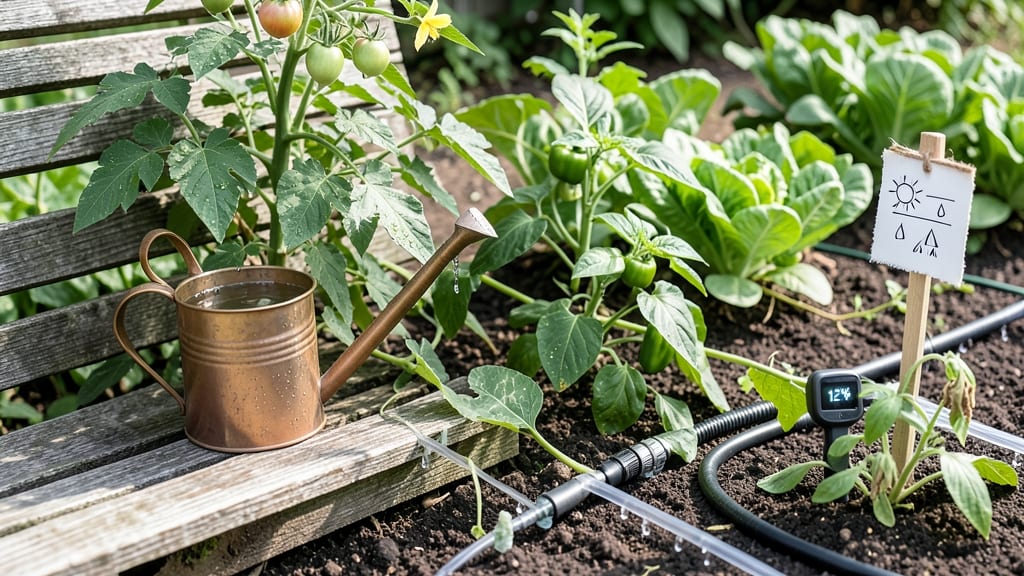
You should water your veggie garden 🥬 based on plant type, soil, and weather—not just a set schedule—because guessing leads to wasted water or stunted growth.
Overwatering or underwatering your vegetable garden can mean the difference between a bountiful harvest and wilted disappointment—yet most gardeners guess rather than follow science-backed watering schedules.
Leafy greens like lettuce need consistent moisture, while root crops such as carrots prefer deep, infrequent watering. Tomatoes, on the other hand, thrive with 1-2 inches of water weekly, but too much can drown their roots.
Below, I break down the exact watering frequency for your garden’s most common crops, plus how to adjust for heatwaves, droughts, and seasonal shifts—so you never over- or underwater again.
Science-backed watering frequency for common vegetable types
Watering your vegetable garden isn't one-size-fits-all. Leafy greens like lettuce and spinach need consistent moisture, while root vegetables such as carrots and beets require even soil moisture to prevent forking.
Fruiting plants like tomatoes and peppers have different needs entirely, often demanding 1-2 inches of water weekly to thrive. Understanding these differences can transform your garden from struggling to thriving.
Climate zones play a huge role too. In hot, dry regions (Zones 8-10), you might need to water daily, while cooler Zone 5 gardens may only require watering every 3-4 days.
Soil type matters just as much—sandy soil drains quickly, needing more frequent watering, while clay soil holds moisture longer. Let's break down the science to help you water like a pro.
Before diving into schedules, master the soil moisture test. Stick your finger about 1 inch deep into the soil. If it feels dry, it's time to water. For deeper-rooted plants, check 2-3 inches down.
This simple method prevents both overwatering (which causes root rot) and underwatering (which leads to wilting). I've used this trick for years, and it's saved me from losing entire crops.
| Plant Type | Watering Frequency | Water Amount | Key Notes |
|---|---|---|---|
| Leafy Greens (Lettuce, Spinach, Kale) | Every 1-2 days | ½-1 inch per week | Keep soil evenly moist; avoid soggy roots |
| Root Vegetables (Carrots, Beets, Radishes) | Every 2-3 days | 1 inch per week | Consistent moisture prevents cracking; avoid fluctuations |
| Fruiting Plants (Tomatoes, Peppers, Cucumbers) | Every 2-3 days (deep water) | 1-2 inches per week | Water at soil level; avoid wetting leaves to prevent disease |
| Herbs (Basil, Parsley, Cilantro) | Every 2-4 days | ½-1 inch per week | Drought-tolerant; let soil dry slightly between waterings |
| Corn & Heavy Feeders (Peas, Broccoli) | Every 1-2 days (deep soak) | 1.5-2 inches per week | Mulch heavily to retain moisture; water at base |
Let's start with leafy greens, which are the most sensitive to water fluctuations. Plants like lettuce and spinach need soil that stays consistently moist but never soggy. Aim for ½-1 inch of water per week, split into two watering sessions.
For example, water deeply in the morning and lightly in the evening during hot spells. Overwatering causes yellowing leaves, while underwatering leads to bitter, tough greens—neither is ideal.
Root vegetables like carrots, beets, and radishes demand even more precision. Uneven moisture causes forked or misshapen roots, ruining your harvest. Water these crops every 2-3 days, providing 1 inch of water per week. Use a soaker hose or drip irrigation to deliver water directly to the soil, avoiding wetting the foliage. I’ve seen entire carrot crops fail because of inconsistent watering—don’t let that happen to you!
For fruiting plants such as tomatoes, peppers, and cucumbers, deep and infrequent watering is key. These plants need 1-2 inches of water weekly, delivered at the soil level to prevent fungal diseases like blight.
Water in the early morning to allow foliage to dry quickly. Avoid overhead watering, which can spread disease. My tomato plants produce 30% more fruit when watered this way compared to random sprinkling.
Herbs like basil, parsley, and cilantro are surprisingly drought-tolerant once established. Water them every 2-4 days, giving them ½-1 inch of water per week. Let the top inch of soil dry out between waterings to prevent root rot. Overwatering herbs is a common mistake—many gardeners drown them thinking they need constant moisture. Trust the soil moisture test here; it’s your best friend.
Don’t overlook heavy feeders like corn, broccoli, and peas. These plants have high water demands, especially during their growth spikes. Water them every 1-2 days, providing 1.5-2 inches of water weekly.
Mulch around these plants to lock in moisture and reduce evaporation. I’ve seen corn stalks wilt dramatically in just a few hours without adequate water—mulching makes a world of
How to adjust your watering schedule by season and weather
Your vegetable garden's watering needs change dramatically with the seasons and weather. In spring, young seedlings need frequent but shallow watering to encourage root growth, while summer heatwaves demand deep, consistent watering to prevent wilting.
Fall harvests require reduced watering as plants mature, and winter dormancy calls for minimal moisture to protect roots. Adjusting your schedule prevents yellowing leaves, mold growth, and wasted water.
Start by understanding your local climate zone and soil type—sandy soil dries faster than clay, requiring more frequent watering. Use a soil moisture meter or the finger test (insert your finger 1-2 inches deep; if dry, water).
Most vegetables need 1-2 inches of water weekly, but this varies by plant type and weather. For example, tomatoes and peppers need consistent moisture, while carrots and onions prefer evenly moist but not soggy soil.
⚠️ callout-warning ⚠️
Overwatering: Yellow leaves, mold on soil, wilting despite wet soil. Fix: Let soil dry slightly between waterings; improve drainage with compost.
Underwatering: Dry, crispy leaves, wilting in heat, soil pulling away from pot edges. Fix: Water deeply at soil level (not leaves) and mulch to retain moisture.
Pro Tip: Water in the early morning to reduce evaporation and fungal risks.
In spring, focus on establishing roots—water lightly every 2-3 days after planting, then increase to 1 inch per week as plants grow. Use a drip irrigation system or soaker hose to deliver water directly to roots, reducing waste.
Avoid overhead watering, which can spread disease. Monitor rainfall with a rain gauge; adjust your schedule to avoid overwatering during wet spells.
When summer heatwaves hit, shift to deep watering 2-3 times per week, ideally in the early morning. Let the top inch of soil dry between waterings to prevent root rot. Mulch heavily (2-3 inches of straw or wood chips) to lock in moisture and keep soil cool.
Watch for wilting leaves by noon—a sign your plants need more water. Container gardens may require daily watering during extreme heat, as pots dry out faster than in-ground soil.
As fall harvests approach, reduce watering to every 3-5 days, allowing soil to dry slightly between sessions. This helps sweeten fruits like tomatoes and peppers while preparing plants for winter. Stop watering 2 weeks before first frost to encourage dormancy in perennials.
In winter, water only if the ground is completely frozen or during dry spells, providing bi-weekly deep soaks to prevent desiccation.
Pay attention to weather forecasts—adjust your schedule for heatwaves, droughts, or heavy rains. Use a weather app with soil moisture alerts to automate reminders. For example, if a 3-day heatwave is forecasted, increase watering to daily deep soaks 2 days before it starts.
Always prioritize root-level hydration over surface watering to build resilient plants.