
Shrubs
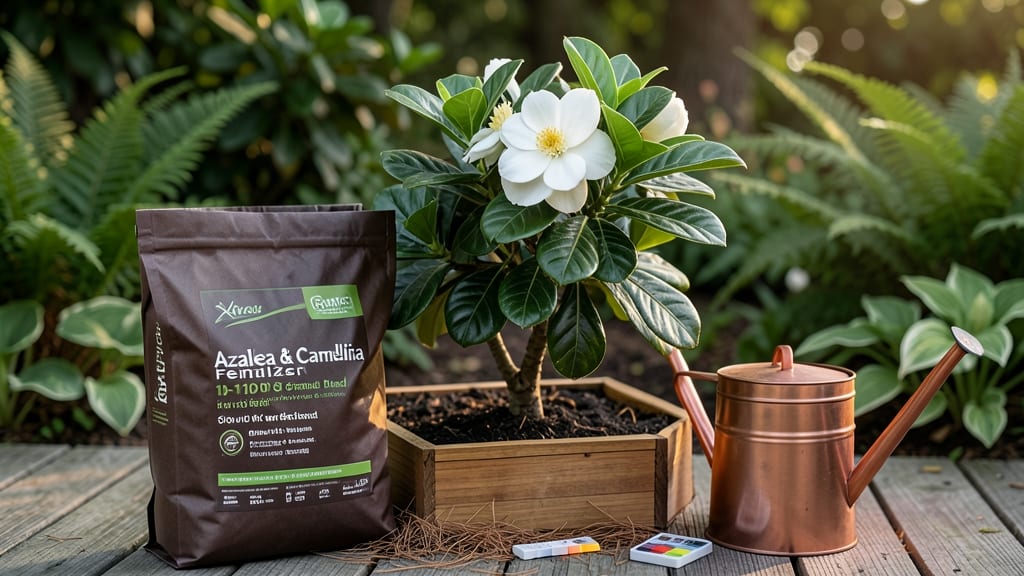
Fertilizing gardenias at the right time—just as new growth emerges in early spring—sets the stage for those fragrant 🌸 blooms you love.
Struggling to keep your gardenias blooming as beautifully as they did last year? The secret isn’t just water or sunlight—it’s a precise fertilization schedule that aligns with their natural growth cycles. Too early, and you’ll push leaves instead of flowers; too late, and you’ll miss the bloom window entirely.
Here’s the game-changer: gardenias need a light feed in spring when buds form, a stronger dose in early summer to support blooms, and a complete break in fall and winter.
We’ll break down the exact timing, the best fertilizers to use, and how to avoid the common mistakes that leave your shrubs looking half-dead.
By the end, you’ll know not just when to fertilize, but how much and why—so you can enjoy gardenias that burst with fragrance and color, year after year.

Best times of year to fertilize gardenias for optimal blooms
Gardenias reward careful gardeners with fragrant, glossy blooms that can transform your landscape. But timing your fertilization schedule is just as important as choosing the right product. Unlike many plants, gardenias thrive when fed at specific growth stages—not just randomly throughout the year.
Miss these windows, and you might end up with leafy growth instead of flowers or stressed plants that struggle to bloom.
I’ve learned the hard way that over-fertilizing in summer or feeding too late in the season can backfire. The key is understanding when your gardenia is preparing for its biggest bloom surge—and that’s not always when you’d expect.
Let’s break down the seasonal fertilization schedule that’ll give you those showstopping, sweet-smelling blooms year after year.
| Season | Growth Stage | Fertilization Timing | Fertilizer Type | Key Notes |
|---|---|---|---|---|
| Early Spring | New Growth | March-April (after last frost) | Acidic, slow-release | Stimulates root and foliage growth |
| Late Spring | Pre-Bloom | May-June | High-phosphorus (8-3-9) | Encourages flower buds |
| Early Summer | Blooming | June-July | Balanced (10-10-10) | Maintains bloom cycle |
| Late Summer | Post-Bloom | August | Low-nitrogen | Preps for dormancy |
| Fall/Winter | Dormant | September-December | None | Avoid feeding during rest |
Let’s start with early spring, when your gardenia wakes up from dormancy. This is the time to give it a gentle wake-up call with a light feeding of acidic fertilizer. I use a slow-release, peat-based fertilizer in early March, just as new growth begins to appear.
This timing helps your plant build strong roots and foliage before it even thinks about blooming. Think of it as giving your gardenia a nutritional jumpstart for the season ahead.
By late spring, your gardenia should be showing signs of new leaves and buds. This is when you switch to a high-phosphorus fertilizer (like an 8-3-9 blend) to encourage flower bud formation. I apply this in May and June, right as the buds start to swell.
The key here is phosphorus—it’s what tells your plant, “Hey, it’s time to make those fragrant blooms!” Too much nitrogen now, and you’ll end up with leafy monsters instead of flowers.
During summer, when your gardenias are in full bloom, you’ll want to maintain that beauty with a balanced fertilizer. I use a 10-10-10 blend in June and July, but I cut the amount in half compared to spring.
This keeps the blooms coming without overwhelming the plant. Summer is also the time to reduce watering slightly—gardenias hate soggy roots, and overwatering can dilute nutrients in the soil.
Once your gardenias finish blooming in late summer, it’s time to ease up on fertilization. By August, I switch to a low-nitrogen fertilizer or even skip it entirely.
This helps your plant prepare for dormancy and avoids the risk of new growth that won’t harden off before winter. I also start reducing water
How to choose the right fertilizer for gardenias (and when to apply it)
Gardenia plants thrive when fed with the right nutrients at the right time. Unlike many shrubs, they crave acidic soil and respond best to fertilizers formulated for azaleas and rhododendrons.
The key is matching your fertilizer choice to their growth stages—new shoots, blooming, and dormancy—each requiring different nutritional support.
For new growth in spring, opt for a balanced fertilizer with equal parts nitrogen, phosphorus, and potassium (like 10-10-10). When buds form in late spring, switch to a phosphorus-heavy formula (e.g., 8-3-9) to encourage floral development. During dormancy, skip fertilizing entirely to avoid stressing the plant.
When to Fertilize Gardenias: Pros & Cons
Spring (March-May)
- Pro: Stimulates new growth and root development.
- Con: Overdoing it can cause leaf burn.
Use: Acid-loving fertilizer (e.g., peat-based or cottonseed meal).
Summer (June-August)
- Pro: Supports flowering with phosphorus-rich feeds.
- Con: Too much nitrogen = fewer blooms, more leaves.
Use: Low-nitrogen (e.g., bone meal or 8-3-9).
Fall/Winter (September-February)
- Pro: None—plant is dormant.
- Con: Fertilizing now can weaken roots before winter.
Use: None—let the plant rest.
Organic options like fish emulsion or composted pine bark are excellent for gardenias, as they slowly release nutrients while maintaining acidic soil conditions. If you prefer synthetics, look for slow-release granules labeled for acid-loving plants. Always water thoroughly after applying fertilizer to prevent root burn.
Micronutrients like iron and magnesium are also critical—yellow leaves often signal a deficiency. A chelated iron supplement can revive struggling plants. Test your soil every 2-3 years to ensure the pH stays between 5.0 and 6.0, the sweet spot for gardenias.
Pro tip: Mulch with pine needles or oak leaves after fertilizing to lock in moisture and acidity. Avoid synthetic mulches like black plastic, which can raise soil pH over time.
Remember, gardenias reward patience. A consistent but gentle feeding schedule—paired with proper timing—will transform your shrubs into fragrant, blooming powerhouses year after year. 🌸