
Container Gardens
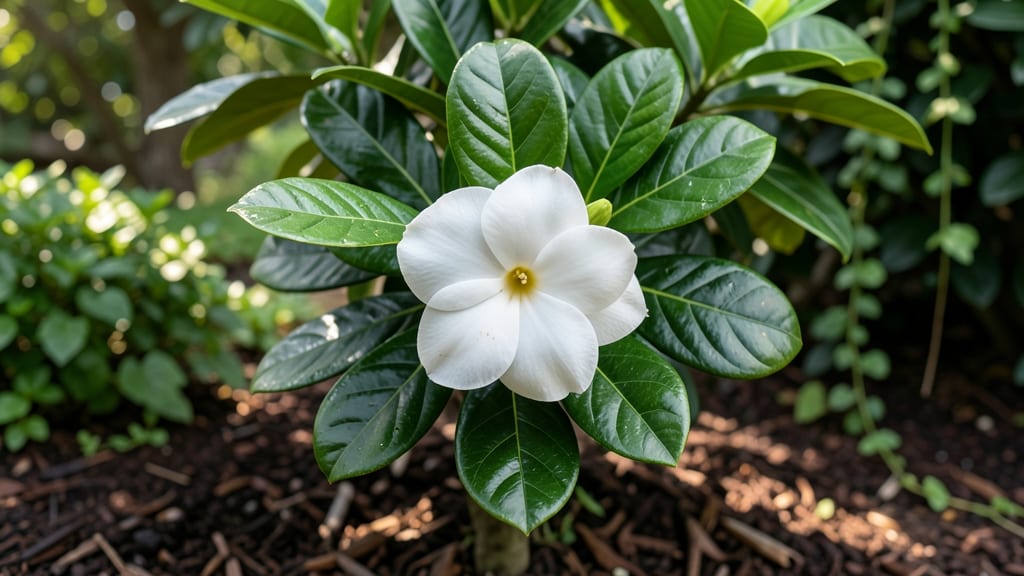
Growing gardenias in the right USDA zone is the key to those fragrant blooms you’ve been dreaming of—without the frustration of wilted leaves or no flowers.
Picture this: you’ve just planted your 🌸 gardenia, but by spring, it’s struggling to bloom. The problem? It’s not in its ideal USDA hardiness range of zones 7 through 11. Too cold, too hot, or too much humidity can all derail your plans for a fragrant garden.
But here’s the good news: even if you’re outside those zones, you can still grow a thriving gardenia with the right adjustments—like containers, winter protection, or microclimate tricks.
I’ll break down the exact zones that work, how to push the limits, and what mistakes to avoid so your gardenia stays happy and blooming all year.
By the end, you’ll know exactly where to plant (or how to hack it) for nonstop flowers, plus how to fix common growing zone blunders before they ruin your shrub.
USDA growing zones for gardenias: where to plant for maximum blooms
If you dream of fragrant, creamy-white gardenia blooms year-round, your first step is choosing the right USDA growing zone. These tropical beauties thrive in zones 7-11, where warm temperatures and high humidity create their ideal environment.
Planting outside these zones can stunt growth or even kill your gardenia entirely—especially if you ignore microclimate factors like afternoon shade or frost pockets.
Gardenias are native to subtropical and tropical regions, so they demand consistent warmth and moisture. In zones 7-9, they handle brief cold snaps with proper protection, while zones 10-11 offer their perfect climate—just watch for summer heat stress.
The key to year-round blooms? Matching your gardenia’s needs to your local USDA zone and microclimate.
🌸 Key Takeaway: Gardenias in zone 9b (like Florida or Southern California) bloom continuously, while those in zone 7 (like Atlanta) may need winter care to survive. Don’t guess—check your USDA zone map first!
summary-table
USDA Zone
Climate Needs
Microclimate Tips
Bloom Potential
7a-7b
Cool winters, humid summers
Plant near south-facing walls; use containers for mobility
Limited (spring/summer only)
8a-8b
Mild winters, high humidity
Avoid frost pockets; mulch heavily in winter
Moderate (year-round with care)
9a-9b
Warm winters, tropical humidity
Afternoon shade in hot zones; protect from wind
Excellent (year-round blooms)
10a-11
Tropical, no frost
Filter afternoon sun; increase airflow
Optimal (continuous blooms)
In USDA zone 7, gardenias struggle with frost, but with the right microclimate tweaks, they can thrive. For example, planting near a south-facing wall adds 5-10°F of warmth, extending the growing season.
In zone 8, humidity becomes critical—low humidity (like in Arizona) can cause buds to drop. Use a humidity tray or mist leaves daily to mimic their tropical home.
For zones 9-11, the focus shifts to heat management. Gardenias in Florida (zone 10a) or Hawaii (zone 12) need afternoon shade to prevent leaf scorch. A lightweight shade cloth (30-50%) works wonders. Meanwhile, coastal areas benefit from salt-tolerant varieties like 'Radicans,' which handle ocean breezes better than standard types.
One common mistake? Ignoring soil pH. Gardenias demand acidic soil (pH 5.0-6.5). In zone 7, amend clay soil with sulfur or peat moss; in zone 10, use pine bark fines to maintain acidity. Test your soil annually—pH drifts over time, especially in sandy soils.
Watering also varies by zone. In humid zones 9-11, gardenias need deep watering every 2-3 days but hate soggy roots. In drier zones 7-8, mulch with pine straw to retain moisture. Pro tip: Water in the early morning to reduce fungal risks from lingering moisture.
Even in ideal zones, light exposure makes or breaks blooms. Gardenias crave bright, indirect light—think dappled shade under tall trees. In zone 11, filter harsh midday sun with a sheer curtain or lattice.
Too much direct sun? Buds won’t open, and leaves may yellow—a classic sign of heat stress.
If you’re in zone 6 or colder, don’t despair! Grow gardenias in large containers and overwinter them indoors near a bright window. Move pots back outside in spring (after last frost) for a head start on blooms.
Just remember: Gardenias hate transplant shock, so keep them in the same spot year-round.
For zone 7-8 gardeners, winter protection is key. Wrap young plants in burlap and cover with mulch (6 inches deep). In zone 9-11, focus on summer care: prune leggy growth in late winter to encourage bushier, bloom-heavy plants.
🌿 Final Tip: The secret to year-round blooms? Combine the right USDA
How to extend gardenia blooms beyond their natural growing zone
If you love the intoxicating scent of gardenias but live in USDA zones 6 or 7, don't despair! These tropical beauties thrive in zones 8-11, but with the right strategies, you can coax them into blooming outside their native range.
The key lies in container growing, seasonal adjustments, and protective measures—all designed to mimic their ideal climate.
Gardenias crave warmth, humidity, and shelter from frost. In cooler zones, they'll reward you with longer bloom seasons if you provide the right conditions. Start by choosing dwarf or compact varieties, like 'Kleim's Hardy' or 'Radicans', which tolerate cooler temps better than standard types.
These varieties can handle brief dips to 20°F (-7°C) with proper protection.
⚠️ Critical Warning for Zones 6-7
Frost is the #1 killer of gardenias. Even hardy varieties will suffer damage below 25°F (-4°C). If you're pushing the limits, never plant gardenias directly in the ground—containers give you mobility to protect them during cold snaps.
✅ DO: Move pots indoors or to a garage during freezes.
❌ DON'T: Leave gardenias outside if temps drop below 30°F (-1°C).
For container growing, select pots with drainage holes and use a well-draining, acidic mix (pH 5.0-6.5). Add perlite or orchid bark to improve aeration, and choose containers that are 12-18 inches wide to accommodate mature roots.
Place your gardenia in a south-facing location where it gets morning sun and afternoon shade—this mimics their tropical habitat while preventing leaf scorch.
Winter care is where gardeners in zones 6-7 must get creative. Before the first frost, reduce watering and stop fertilizing to encourage dormancy.
Wrap the pot in bubble wrap or horticultural fleece, and place it in a sheltered spot, like against a sunny wall or under a patio cover.
If temps drop below 30°F (-1°C), move the container indoors to a bright, cool room (like a garage or basement with natural light).
Spring is the time to revitalize your gardenia after winter. Once nighttime temps stay above 50°F (10°C), gradually reintroduce it to outdoor conditions over 7-10 days to avoid shock.
Prune any dead or damaged branches in early spring, and fertilize lightly with an acid-loving plant food to encourage new growth. Increase watering frequency as the soil warms, aiming for 1-2 gallons per watering every 2-3 days during the growing season.
To maximize blooms, feed your gardenia every 4-6 weeks with a balanced, acidic fertilizer (like 10-10-10 or 12-4-8). Deadhead spent flowers regularly to encourage more blooms, and mulch around the base with pine bark or peat moss to retain moisture and acidity.
With these adjustments, your gardenia can thrive and bloom beautifully—even in cooler climates!