
Size
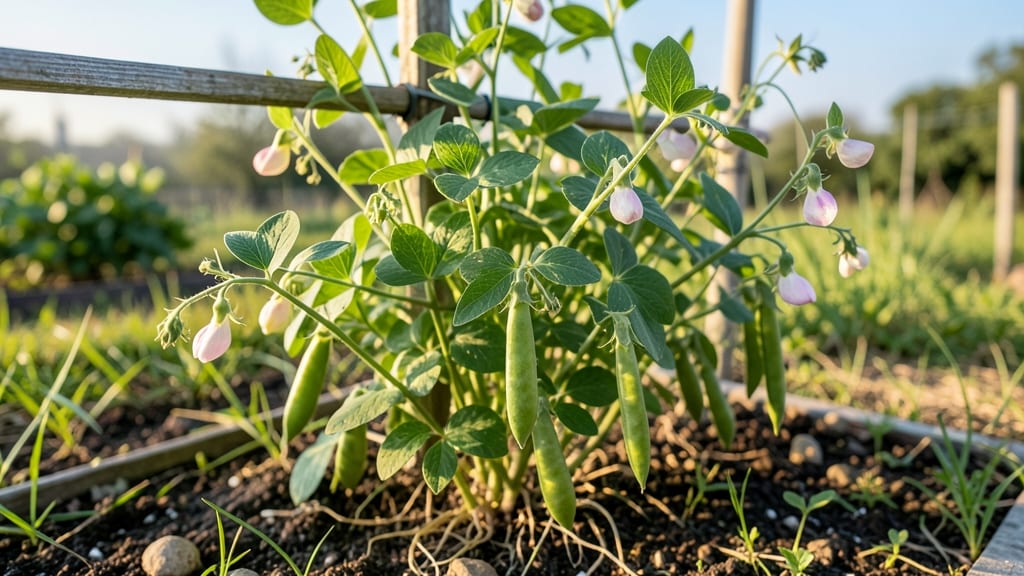
If you're planning a vertical garden or tight-space plot, knowing exactly how tall your garden peas will grow could mean the difference between a thriving harvest and a tangled mess.
Peas aren’t just one-size-fits-all—their height varies dramatically by variety, and choosing the right type (or support structure) can transform your garden’s efficiency.
Dwarf varieties stay compact at 18–24 inches, making them perfect for containers or small plots, while climbing types can reach 8–10 feet if given a sturdy trellis. The right support isn’t just about aesthetics—it directly impacts yield, disease risk, and how easy your harvest will be.
Below, I’ll break down the exact heights by variety, the best support systems for each type, and how to maximize space without sacrificing productivity—so you can grow peas that work for your garden, not against it.


Garden pea heights by variety: compact dwarfs vs. towering vines
Choosing the right pea variety starts with understanding their height differences. Some stay compact enough for containers or small gardens, while others climb like jungle gyms. The support structure you provide can double their growth potential—or turn your garden into a tangled mess.
Let’s break down the exact heights by type so you can plan your space like a pro.
Dwarf or bush peas top out at 18–24 inches and produce pods along their stubby stems. These are the container champions of the pea world, perfect for balconies or windowsills.
On the other end, climbing peas can reach 6–10 feet when given proper trellises, making them ideal for fences or tall cages. Semi-dwarf varieties bridge the gap at 2–3 feet, offering a middle-ground solution.
Height isn’t just about space—it affects harvest ease and disease risk. Tall vines need strong supports to prevent snapping, while dwarf varieties resist wind better. Below, I’ve organized the most popular varieties by height range, so you can pick the perfect fit for your garden’s layout.
| Variety Type | Height Range | Space Needs | Best For |
|---|---|---|---|
| Dwarf/Bush Peas | 18–24 inches | Containers, small plots (12" spacing) | Balconies, windowsills, tight spaces |
| Semi-Dwarf Peas | 2–3 feet | Small trellises or 18" spacing | Raised beds, small gardens, low fences |
| Climbing Peas (Standard) | 6–10 feet | Trellises, fences, or tall cages (12–18" spacing) | Vertical gardens, large plots, pergolas |
| Popular Dwarf Varieties | 18–24 inches | N/A (compact) | Little Marvel, Tom Thumb, Sugar Ann |
| Popular Climbing Varieties | 6–10 feet | N/A (needs support) | Sugar Snap, Oregon Sugar Pod, Wando |
If you’re growing dwarf peas like Little Marvel, you’ll love their self-supporting habit. These varieties produce abundant pods along their bushy stems, making them ideal for container gardening.
Just plant them 12 inches apart in well-draining soil, and they’ll thrive without needing trellises. My 5-gallon containers on the patio always yield enough peas for snacks all summer!
For climbing peas, think big—literally. Varieties like Oregon Sugar Pod can shoot up to 8 feet if given a sturdy trellis. These are the workhorses of vertical gardens, but they demand regular pruning to keep vines from overcrowding.
I use 6-foot A-frame trellises in my garden, and they’ve become a harvest magnet for both me and the local squirrels!
Don’t overlook semi-dwarf varieties like Tom Thumb or Sugar Sprint. They strike a balance at 2–3 feet tall, making them perfect for raised beds or low fences. These peas resist wind better than their towering cousins but still benefit from light support like small cages or stakes.
They’re my go-to for small-space gardens where I don’t want to commit to a full trellis.
Pro tip: Soil quality and sunlight exposure can tweak these heights by up to 20%. Peas in poor soil may stay shorter, while those in rich, well-amended beds can grow taller.
Always test your soil’s phosphorus levels—peas are heavy feeders and need at least 30 ppm to reach their full potential. I add composted manure to my beds every spring, and it’s made a noticeable difference in vine length!
Height also plays a role in harvest timing. Tall vines produce pods later in the season because they focus energy on growing upward first. Dwarf varieties, however, flower and fruit faster, giving you an earlier harvest.
If you’re in a short growing season, prioritize bush peas for a quicker reward. For extended harvests, mix dwarf and climbing varieties to stagger your pod production.
One common mistake? Assuming all climbing peas need the same support. Sugar Snap peas, for example, have thicker vines and need stronger trellises (like wooden ladders) to support their weight. Meanwhile, shelling peas like Wando are lighter and can handle wire cages.
Always match your support structure to the pea variety’s weight—otherwise, you’ll end up with sagging vines or broken stakes.
Support systems for peas: trellises, cages, and DIY hacks to maximize space
Pea vines need proper support to grow vertically, especially when you consider how tall garden peas grow—some varieties reach 6 feet or taller! Without the right structure, vines sprawl, pods rot, and yields suffer.
The key is matching your pea variety to the right support system, whether it’s a store-bought trellis, a DIY cage, or simple bamboo stakes.
For dwarf varieties (1–2 feet), a few low-profile stakes or a mini trellis works perfectly. But for climbing varieties (4–10 feet), you’ll need something sturdy like an A-frame trellis or a heavy-duty wire cage to handle the weight.
Let’s break down the best options based on your garden’s layout and budget.
- 🌱 Dwarf Peas (1–2 ft) → 3-inch stakes or small cages (great for containers!)
- 🌿 Semi-Dwarf Peas (2–3 ft) → 4-foot trellis or wire mesh (ideal for small gardens)
- 🌳 Climbing Peas (4–10 ft) → A-frame trellis or chain-link fence (best for vertical gardens)
- ✂️ DIY Hack → Use bamboo stakes + twine for a budget-friendly trellis
If you’re working with limited space, an A-frame trellis is my go-to. It’s stable, easy to assemble, and fits snugly in corners or along fences. For larger plots, a wire cage (like chicken wire) is cost-effective and lets vines spread naturally.
Just ensure the mesh is at least 1-inch square to prevent vines from slipping through.
For a zero-budget solution, repurpose materials like old ladders, plastic milk jugs (cut and slotted), or even tall tomato cages. The key is securing the support before planting—peas hate being transplanted, and vines will climb anything sturdy within days.
Pro tip: Weave twine between supports to guide vines upward.
One common mistake is underestimating weight. Heavy pea pods can snap weak supports, so reinforce bases with stakes or bricks. Also, prune side shoots to encourage upward growth—this keeps vines from overloading supports. With the right setup, your peas will grow taller, straighter, and more productive than ever.
Remember, support isn’t just for looks—it’s how you protect your investment. A well-supported pea plant yields 2–3 times more pods than one left to sprawl. Now grab your tools, and let’s get those vines climbing!