
Size
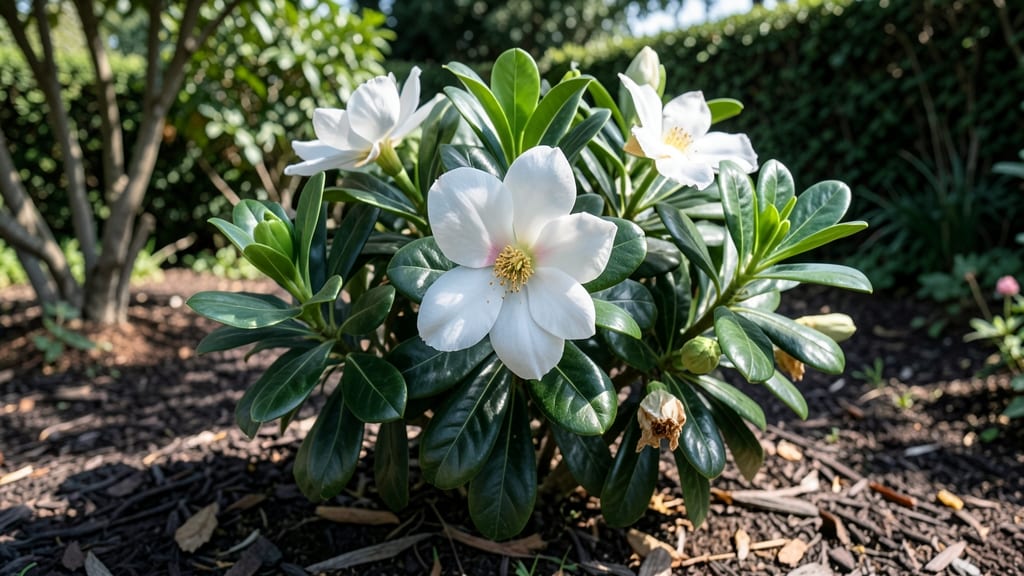
How tall do gardenias get at maturity? The answer depends on the variety and care you provide, with heights ranging between 3 and 6 feet, while some dwarf types stay as short as 1 to 2 feet.
Picture this: a fragrant 🌸 gardenia shrub towering over your patio or tucked neatly into a foundation planting. The difference between those two outcomes comes down to choosing the right variety and giving it the right conditions.
Some gardenias stretch toward the sky, while others stay compact—knowing which is which saves you from awkward spacing mistakes.
If you're planning your garden layout, height matters for airflow, sunlight access, and even how often you'll need to prune. A 6-foot gardenia needs room to breathe, while a 2-foot dwarf variety fits perfectly in a container or small border.
Below, I’ll break down the height ranges by popular varieties and share the care secrets that keep them at your desired size.
You’ll also discover how pruning, sunlight, and soil pH can influence growth—because even the same plant can end up taller or shorter based on how you nurture it. Ready to pick the perfect gardenia for your space?


Gardenia height ranges by popular varieties: from dwarf to giant
When planning your garden, gardenia height can make or break your layout—some varieties stay compact while others grow tall enough to rival small trees.
The mature height of gardenias varies dramatically depending on the variety, with dwarf types reaching just 1-2 feet and tall varieties towering up to 10 feet. Understanding these ranges helps you choose the perfect gardenia for your space, whether it’s a container garden or a backyard border.
Gardenias thrive in USDA Zones 6-10, but their height potential is influenced by pruning habits, soil conditions, and climate factors. For example, Kleim’s Hardy Gardenia can grow 6-8 feet tall in ideal conditions, while Radicans stays low and sprawling at 1-3 feet.
Let’s break down the height ranges of the most popular varieties and how to space them for optimal growth.
If you’re growing gardenias in containers, opt for dwarf varieties like Radicans or Mystery, which thrive in 12-inch pots and rarely exceed 2 feet tall. These are perfect for balconies or patios where space is limited.
For privacy screens or backyard focal points, Kleim’s Hardy Gardenia or Veitchii will deliver the height and fragrance you crave, but they need ample spacing to avoid overcrowding.
One common mistake is assuming all gardenias grow the same size. For instance, Cape Jasmine (Radicans) spreads horizontally, making it ideal for ground covers, while Veitchii grows upright like a small tree. Always check the mature height before planting—some varieties can double in size if given ideal conditions!
Proper spacing recommendations (like 8–10 feet for tall types) prevent competition for nutrients and sunlight, ensuring healthier growth.
For small gardens, consider pruning techniques to control height. Regular trimming in late winter or early spring keeps gardenias like Fortuniana at 3–4 feet instead of letting them reach their full 6-foot potential.
Just avoid heavy pruning in fall, as this can stunt new growth before winter dormancy. If you’re unsure about pruning, start with light shaping to maintain your desired height without risking damage.
Another key factor is soil acidity. Gardenias require acidic soil
How pruning and care affect gardenia height growth
If you're wondering how to control your gardenia's height, the answer lies in pruning techniques and seasonal care adjustments. Gardenias naturally grow between 3 to 6 feet, but with the right approach, you can shape them into compact shrubs or encourage their full potential.
The key is understanding when and how to prune, combined with proper soil nutrition and watering practices.
Pruning isn't just about cutting branches—it's about directing growth energy where you want it. For example, if you want a shorter, bushier gardenia, you'll focus on different pruning methods than if you're aiming for a tall, tree-like specimen. Let's explore how to achieve your desired height through strategic care.
🌱 Pro Tip for Gardenia Height Control
To maintain a compact gardenia (1-2 ft), prune new growth by 1/3 in early spring. For taller varieties (4-6 ft), prune lightly in late winter to shape without stunting growth. Always use sterilized shears to prevent disease.
Start with seasonal pruning timing, which is crucial for height management. For most gardenias, the best time to prune is late winter or early spring, just before new growth begins.
This encourages controlled vertical growth while maintaining a balanced shape. Avoid heavy pruning in fall, as it can stimulate tender new growth that won't survive winter.
Soil and nutrition play equally important roles in height control. Gardenias thrive in acidic, well-draining soil with a pH of 5.0-6.5. Amend your soil with organic matter like peat moss or composted pine needles to maintain acidity.
For compact growth, use a low-nitrogen fertilizer (like 5-10-10) to encourage bushier habits rather than rapid vertical growth.
Watering habits also influence height. Deep, infrequent watering (every 3-5 days) promotes stronger root systems, which support healthier growth patterns. Overwatering can lead to leggy, weak growth, while underwatering may stunt overall development. Always water at the base of the plant in the morning to prevent fungal issues.
For taller gardenias, focus on selective pruning—remove only the uppermost branches to encourage upward growth. For shorter varieties, prune just above leaf nodes to promote lateral branching.
Regularly inspect your gardenia for dead or crossing branches, as removing these helps maintain an open, healthy structure that grows at your desired rate.
Remember, gardenias respond best to gradual adjustments. Don't try to drastically change their height in one season—aim for 1-2 inches of controlled growth per year.
With consistent care, you'll achieve the perfect gardenia height for your garden design, whether that's a low hedge or a striking focal point.