
Planting
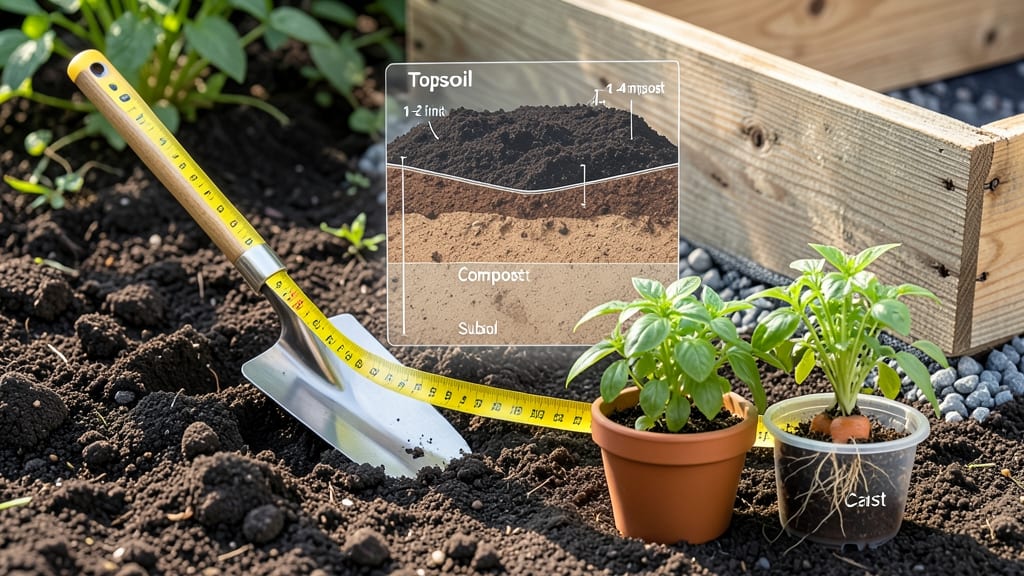
How deep to make raised garden beds is the secret to happy roots and bountiful harvests—aim for 6 to 12 inches of soil to give most plants the room they need to thrive.
Struggling to decide how deep your raised garden beds should be? The right soil depth isn’t just about aesthetics—it’s the foundation for healthy roots, better yields, and fewer headaches down the road.
Too shallow, and plants like tomatoes or potatoes will struggle to establish strong root systems. Too deep, and you’re wasting materials, space, and effort. The key is balancing depth with your specific plants, soil type, and even the materials you’re using.
In this guide, I’ll break down the ideal depth for different crops, how to adjust for drainage and accessibility, and why a few extra inches can make all the difference in your garden’s success.
Ideal raised garden bed depth for different plants: root zone requirements
When planning your raised garden beds, soil depth isn't one-size-fits-all. A 6-inch bed might work for shallow-rooted herbs, but tomatoes and carrots need 12+ inches to thrive. The right depth supports root expansion, moisture retention, and nutrient access—critical factors for plant health.
Let's break down what each plant type truly needs to avoid stunted growth or poor yields.
Most gardeners assume 8-12 inches is standard, but this varies wildly. Shallow-rooted plants like lettuce and radishes can handle 6-8 inches, while deep-rooted crops like asparagus or peonies demand 18+ inches.
Even within vegetable families, root systems differ—carrots need 12 inches to develop properly, while bush beans thrive in just 6 inches. Understanding these differences prevents wasted space and ensures your plants grow to their full potential.
Here’s the game-changer: deeper beds = better drainage and temperature control. Shallow beds dry out faster, develop crusts, and can’t support mycorrhizal fungi that boost nutrient uptake. A 12-inch bed also reduces competition for nutrients, giving plants more room to establish strong root systems before bolting or flowering.
For perennial plants, deeper beds mean longer lifespan and resilience against drought.
For vegetables like tomatoes and peppers, a 12-inch depth is non-negotiable. Their sprawling root systems need space to anchor and access nutrients. I’ve seen tomato plants in shallow beds struggle with poor fruit set because their roots couldn’t explore enough soil volume.
Meanwhile, carrots and parsnips are picky—they’ll fork or split if the soil compacts below 12 inches. The solution? Mix in coarse sand or perlite to keep soil loose.
Herbs often get overlooked, but their depth needs vary too. Basil and parsley do fine in 8-10 inches, but rosemary and thyme—woody perennials—need 12+ inches to establish. I once planted rosemary in a 6-inch bed and watched it decline by summer.
Lesson learned: perennial herbs deserve depth just like vegetables. If you’re short on space, opt for container-growing for these woody varieties.
Flowers are the wildcard. While annuals like marigolds thrive in 8-10 inches, perennial flowers (think daylilies or coneflowers) need 12-18 inches to naturalize properly. Shallow beds limit their root spread, reducing blooms over time.
For cutting gardens, deeper beds also mean taller stems and longer vase life—a win for florists and hobbyists alike.
Don’t forget about
How to calculate raised bed depth for your specific garden layout
Getting the raised bed depth right starts with understanding your garden layout and the plants you’ll grow. A bed that’s too shallow stunts root growth, while one that’s overbuilt wastes materials and money. The key?
A customized approach that accounts for your soil type, drainage needs, and the root zones of your crops. Let’s break this down step by step to avoid common pitfalls and maximize your space.
Before grabbing your measuring tape, consider this: 6 inches is the bare minimum for shallow-rooted plants like lettuce or herbs, but 12+ inches is ideal for vegetables like tomatoes or carrots. Your native soil depth and the materials you use (wood, metal, or composite) also play a role.
For example, cedar beds last longer but may require extra depth adjustments for moisture retention. Let’s start with the essential measurements.
Step-by-Step Guide to Calculating Raised Bed Depth
-
Step 1: Measure Your Existing Soil
Use a soil probe or trowel to check the depth of your native soil. If it’s rocky or compacted, you’ll need to add more fill soil to reach your target depth. Aim for at least 6 inches of usable soil above the native layer.
-
Step 2: Account for Drainage Layers
Add a 1-2 inch drainage layer of gravel or landscape fabric at the bottom. This prevents waterlogging and root rot. Subtract this from your total depth calculation to avoid overbuilding.
-
Step 3: Adjust for Heavy or Rocky Soil
If your native soil is dense or rocky, add an extra 3-4 inches of high-quality compost or topsoil. This compensates for poor root penetration and improves plant health.
-
Step 4: Plan for Plant Root Zones
Deep-rooted plants like asparagus or potatoes need 12-18 inches of soil. Shallow-rooted herbs like basil or thyme thrive in 6-8 inches. Mix plant types or create separate beds to optimize depth.
-
Step 5: Factor in Accessibility
Beds taller than 12 inches require stepping stones or paths for easy access. If mobility is a concern, keep heights between 6-10 inches for comfort.
-
Step 6: Test Your Design
Before finalizing, sketch your layout and label each bed’s depth. Use a level tool to ensure evenness, and mark the soil line with stakes for clarity during construction.
Pro Tip: Use wooden stakes to mark depth levels before filling your beds. This ensures consistency across multiple beds.
One of the biggest mistakes I see is ignoring the drainage layer or assuming all plants need the same depth. For example, strawberries only need 6 inches, while squash thrives in 12+ inches.
If you’re growing a mix, consider layered beds with deeper sections for root crops and shallower areas for greens. This saves materials and makes maintenance easier.
Another critical factor is the materials you choose. Untreated wood can rot faster in deeper beds, while metal or composite may require extra insulation to prevent overheating.
Always account for a 1-inch buffer on all sides to avoid soil spillage and erosion. This small detail can save you from messy cleanup later.
Finally, don’t forget to test your soil before finalizing depth. A simple pH test ($10 at garden centers) reveals whether you need to amend your soil with lime or sulfur.
Adjusting depth based on soil health ensures your plants get the root-friendly environment they deserve. With these steps, you’ll build raised beds that grow healthier plants with minimal effort.