
Watering
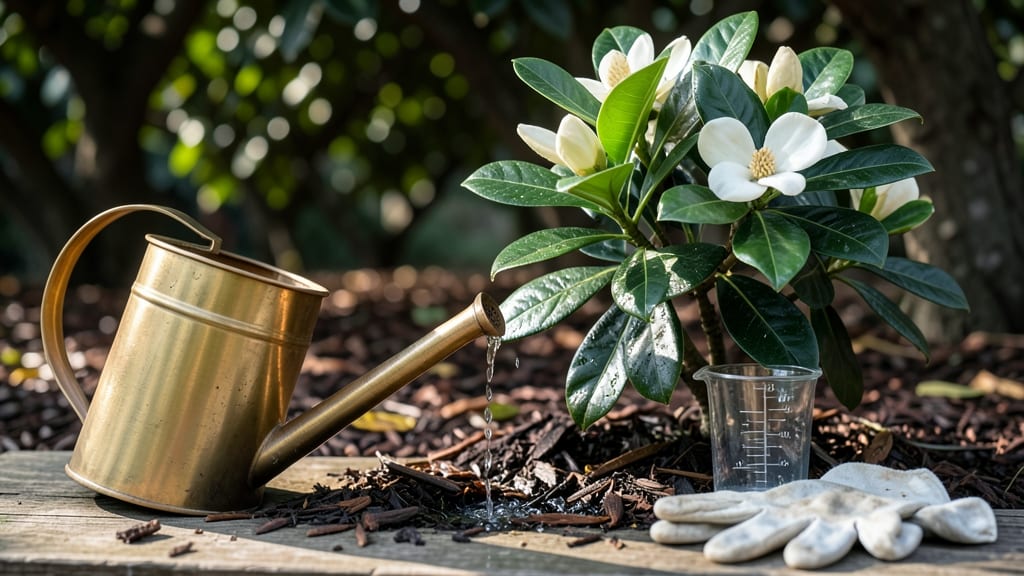
Watering a gardenia 🌸 the right way is the difference between fragrant blooms and sad, wilted leaves.
You might think you’re giving your gardenia enough water—until you notice the buds dropping off or the leaves turning yellow. That’s the telltale sign you’re either drowning or starving your plant, and neither helps it thrive.
The key isn’t just how much you water, but when and how—and most gardeners get it wrong without realizing it.
Gardenia plants love moisture, but they hate soggy roots. A deep, infrequent watering in the morning keeps them happy, while surface watering or skipping watering days can stress them out.
Below, I’ll walk you through the exact schedule, the soil tricks, and the warning signs to keep your gardenia blooming all season long.
Ready to fix those watering mistakes? You’ll learn how to adjust for summer heat, winter slowdowns, and even the best mulch to lock in moisture—so your gardenia stays lush and full of those iconic white flowers.
The perfect watering schedule for gardenia plants to maximize blooms
Gardenia plants thrive on consistent moisture but hate soggy roots—balancing these needs is key to show-stopping blooms. Unlike drought-tolerant succulents, gardenias demand regular hydration while avoiding waterlogged soil that suffocates roots. The secret lies in deep, infrequent watering paired with seasonal adjustments to match your gardenia’s natural rhythm.
Most gardeners overwater in summer and underwater in winter, both of which stress the plant and reduce blooms. I’ve learned through trial (and a few sad, wilted gardenias) that morning watering and soil moisture checks are non-negotiable. Let’s break down the exact schedule your gardenia needs to flourish year-round.
🌱 Visual Guide: Below is a side-by-side comparison of watering needs by season, including frequency, depth, and soil moisture targets to keep your gardenia happy without guesswork.
Spring is when your gardenia wakes up from dormancy, so gradual hydration is crucial. Water deeply every 3-5 days to encourage root growth, but avoid waterlogged soil, which causes root rot.
I test soil moisture by sticking my finger 2 inches deep—if it feels dry, it’s time to water.
Summer demands the most attention. Your gardenia’s thirst increases with heat, but shallow watering leads to weak roots. Aim for 1-2 gallons per plant every 2-3 days, always in the early morning to prevent fungal diseases. Mulch with 2-3 inches of organic matter (like pine bark) to retain moisture.
Fall signals preparing for dormancy. Reduce watering to once a week and shallow the depth to 10-12 inches. This helps the plant harden off for winter without stress. Watch for yellowing leaves, a sign of overwatering during this transition.
Winter care is often underestimated. Gardenias need less water but still require consistent moisture to survive. Water bi-weekly and reduce depth to 8-10 inches. If your gardenia is container-grown, it may need watering every 5-7 days due to faster drying soil.
Pro tip: Use a moisture meter or the finger test to avoid guesswork. Gardenias in containers dry out faster than in-ground plants, so check soil moisture daily in summer if your gardenia is potted. Adjust your schedule based on pot size and material—terracotta dries quicker than plastic.
Signs of overwatering include yellow leaves, mushy stems, and dropping buds. Underwatering shows as wilting, crispy leaf edges, and fewer blooms. Both extremes kill blooms, so stick to the schedule—and your gardenia will reward you with lush, fragrant flowers all season.
🌸 For maximum blooms, pair this watering schedule with acidic fertilizer in spring and morning sunlight. Your gardenia will thrive—and your neighbors will be jealous of those perfect white blooms!
3 Critical watering mistakes that kill gardenia blooms (and how to fix them)
Gardenias are famous for their fragrant white blooms, but poor watering habits can turn your lush shrub into a sad, droopy mess. The biggest culprits? Overwatering, underwatering, and ignoring soil drainage. These mistakes don’t just wilt leaves—they kill blooms before they even open. Let’s fix that!
First, let’s tackle the most common mistake: overwatering. Gardenias hate soggy roots, yet many gardeners drown them thinking they need constant moisture. Yellowing leaves and mushy stems are red flags—your plant is suffocating.
The fix? Let the top 1-2 inches of soil dry between waterings. Stick your finger in the soil; if it’s damp, wait.
⚠️ callout-warning
Overwatering: Yellow leaves, mushy stems, and root rot (soil smells sour). Fix: Reduce watering to every 5-7 days and improve drainage with perlite or sand.
Underwatering: Crispy leaf edges, drooping foliage, and no new blooms. Fix: Water deeply every 2-3 days in summer and test soil moisture before watering.
Pro Tip: Use a moisture meter or the finger test—if soil feels dry 2 inches down, it’s time to water.
Next up: underwatering. If your gardenia’s leaves feel paper-dry or the plant looks limp, it’s thirsty. Unlike overwatering, this mistake is easier to spot—just check the soil moisture. In summer, water every 2-3 days, but in winter, cut back to weekly.
Morning watering is key; it gives roots time to absorb moisture before the heat of the day.
Don’t forget soil drainage—the silent bloom killer. Gardenias need well-draining, acidic soil (pH 5.0-6.5). If water pools around the base or drains slowly, your plant’s roots suffocate. Amend heavy clay soil with peat moss or pine bark to improve airflow.
A quick test: Dig a hole near your plant and fill it with water. If it drains in under 30 minutes, you’re golden.
Finally, ignore seasonal changes, and your gardenia will suffer. In summer heat, increase watering but avoid wet foliage (water at the base). In winter dormancy, reduce watering to bi-weekly and protect roots with mulch. Adjusting your routine keeps blooms coming year-round.
Your gardenia’s health starts with consistent hydration. Avoid these mistakes, and you’ll reward yourself with lush, fragrant blooms all season long. Happy gardening! 🌸