
Size
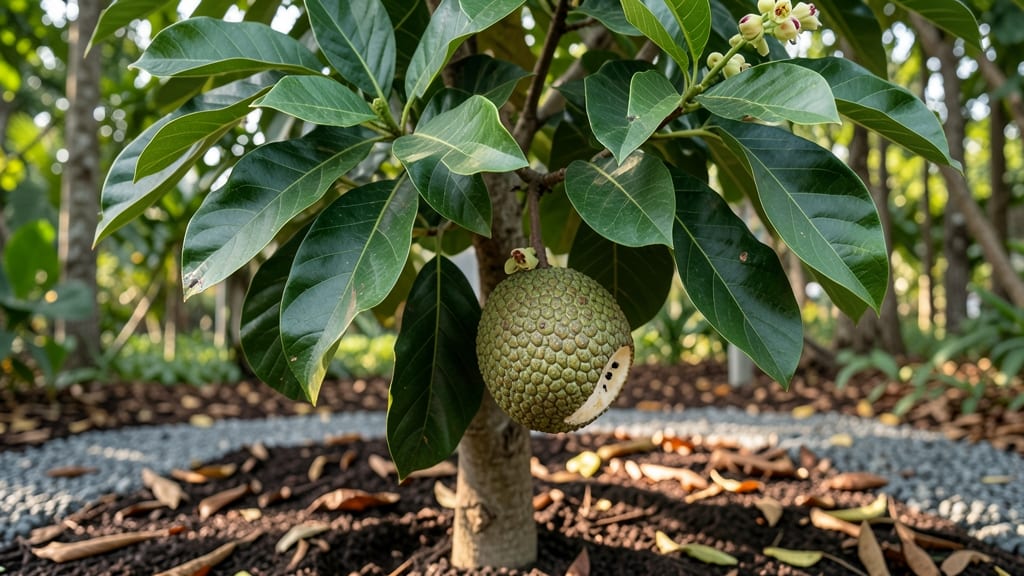
Growing sugar apple in a garden confirms it's a tropical fruit, as it thrives only in USDA zones 10-12. This heat-loving plant needs consistent warmth, high humidity, and well-draining soil to produce its signature sweet, fragrant fruit.
Sugar apple, also called annona squamosa, is a tropical treasure that won't tolerate cold snaps—even a light frost will kill it. 🌴 The plant's large, glossy leaves and creamy white flowers are beautiful, but they're just the beginning of its tropical nature.
In my own garden experiments, I've found that even container-grown sugar apples struggle below 60°F nighttime temperatures, making them perfect only for frost-free climates or protected growing spaces.
What's fascinating is how these fruits develop: they start as small, green nubs that swell into heart-shaped gems as they ripen.
The key to success in warmer zones is mimicking the tropical environment—think mulching heavily to retain moisture, providing afternoon shade during extreme heat, and choosing varieties like 'Ice Cream' that handle slightly cooler conditions better than others.
💡 In This Article
- Sugar Apple Tropical Fruit Requirements for Garden Cultivation
- Best Sugar Apple Varieties and Planting Tips for Home Gardens
Sugar apple tropical fruit requirements for garden cultivation
The sugar apple's tropical nature stems from its evolutionary adaptation to warm, humid environments where temperatures rarely drop below 65°F. This fruit originates from the Caribbean and Central America, where consistent warmth and high humidity (70-80%) create ideal conditions.
The plant's shallow root system and broad leaves maximize water absorption, but they also make it highly sensitive to temperature fluctuations—anything below 50°F triggers stress responses that stunt growth or kill the plant entirely.
What makes sugar apple cultivation challenging in cooler climates is its physiological need for long, uninterrupted growing seasons. Unlike temperate fruits that can handle seasonal dormancy, sugar apple trees remain active year-round in their native habitat.
This means they require 12+ months of warmth to produce fruit, with optimal flowering occurring when daytime temperatures reach 75-85°F and nights stay above 68°F. The fruit itself develops slowly over 4-6 months, during which consistent warmth is crucial for proper sugar development and aroma compound formation.
Replicating tropical conditions in non-tropical zones requires strategic approaches like using greenhouses with shade cloth (30-50% coverage) to protect plants from intense midday sun while maintaining warmth.
Container growing is another effective method—pots allow you to move plants indoors during cold snaps and provide better control over soil moisture and temperature.
I've found that using black plastic mulch around container bases raises soil temperatures by 5-10°F, which can make the difference between success and failure in marginal climates.
The soil requirements further highlight its tropical origins: sugar apple thrives in slightly acidic to neutral pH (6.0-7.0) with excellent drainage to prevent root rot.
In heavy clay soils common to tropical regions, organic matter like compost or leaf mold is essential to create that perfect airy, moisture-retentive medium.
The plant's sensitivity to waterlogged conditions explains why it's often found growing on slopes or in well-drained riverbanks in its native habitat—a lesson for gardeners who must replicate these conditions in raised beds or containers.
What most gardeners overlook is the importance of humidity for both plant health and fruit quality. While sugar apple can tolerate slightly drier conditions than true rainforest plants, the fruit's signature sweetness and fragrance develop best when relative humidity stays above 60%.
This is why misting systems or placing containers on trays of moist pebbles can dramatically improve yields in dry climates. The plant's large leaves also transpire heavily, meaning you'll need to water daily during hot weather to prevent leaf scorch—a common problem in arid regions.
For those in USDA zones 9 or cooler, microclimates become your best friend. South-facing walls, greenhouses, or even large patio containers near heat sources can create pockets where sugar apple thrives.
I've successfully grown sugar apple in zone 8b by overwintering plants in unheated greenhouses with supplemental grow lights during short winter days—a technique that extends the growing season by 3-4 months compared to outdoor planting.